

“In vain you rise early and stay up late, toiling for food to eat…” Psalm 127:2a
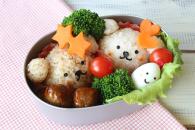
My generation has made its fair share of contributions to American culture and one of these was the advancement in lunchbox décor. With the invention of the television, the bland monochromatic colors of previous lunchboxes gave way to colorful depictions of popular TV shows and cartoons. For example, I vividly recall my Lone Ranger box accompanying me to the school lunchroom everyday where it competed with the Jetsons, Davy Crockett, Superman, Yogi Bear and a host of other beloved characters portrayed on other kids’ lunchboxes. However, the boring contents of my lunch, which consisted primarily of a PBJ or a bologna sandwich, some carrot sticks, an apple and a thermos of milk remained relatively unchanged. Unknown to me at that time, on the other side of the world, the Japanese had already developed a separate lunch box culture centuries earlier. It was called an obentō.
An obentō is an individual-sized portion and well-balanced meal designed for easy transport and consumption. It consists of a starch such as rice or noodles, a protein (meat, fish), some kind of vegetable and, often, a fruit side dish. It traditionally includes a set of chopsticks and comes in both disposable or reusable containers that are divided into smaller compartments. The more durable boxes are sold in many forms ranging from expensive hand-crafted lacquerware to plastic cutesy boxes in the shape of trains or a favorite anime character. The actual term, bentō (弁当), is derived from the Japanese word for “convenient” and is often prefaced with an “o” used in honorific speech patterns.
These Japanese lunch boxes are sold throughout Japan in convenience stores, train stations, grocery stores and specialty bentō shops. The general cost of a bentō is often less than US $5, but there are pricier versions that include more expensive or larger amounts of food. Japanese wives and mothers are generally responsible for preparing their children’s or husband’s bentō, which is a task they take quite seriously. Among mothers, there is an unspoken competition in designing and creating a visually attractive and nutritious meal. The ingredients are often prepared the night before and then assembled in the morning. Great care is given to include certain color combinations and many mothers take the extra time to shape and decorate food to resemble people, flowers, animals or favorite cartoon characters to the delight of their children. In Japan, the contents of a child’s lunch box, fair or not, is often viewed as a reflection of their parental care, which can put considerable pressure on some mothers who are overly preoccupied with such expectations.
As an adult, I now better appreciate my mother’s selfless labor in preparing my lunch every day, but I don’t think she put the same amount of effort into it as we witnessed in Japan. Preparing lunches is one thing, but the pressure to daily provide and prepare food for one’s family is no small feat that is a challenge in every culture. However, there is an important perspective that should be kept in mind in the midst of such responsibilities. That being, God is the ultimate provider for whatever is placed upon our table, cooked on our stove, stored in our pantry, cooled in our refrigerator or packed away in a lunch box.
Feasting is a common motif in the Bible and it is often used to describe intimate and joyous fellowship with God who provides all that we need as represented by the abundance of the banquet He spreads before us (Isaiah 25:6). We labor and strive for such things on earth, and in so doing, we are foolishly tempted to think we alone are responsible for such matters. But He who faithfully provided manna for His people in the wilderness calls us to seek His kingdom above all else because He shall provide for our needs (Matthew 6:33). You may have the best obentō before you, but an eternal feast awaits us.

 Ippo Ippo