
Judo

“Learn from me, for I am gentle and humble in heart” Matthew 11:29

Many popular activities trace their origin to Japanese culture which is certainly true of jῡdō. This well-known martial arts sport was established as recently as 1882 by Jigorō Kanō, a Japanese educator and athlete. Often referred to as the “Father of Jῡdō,” Kanō incorporated various ancient self-defense techniques to create the present form of jῡdō which is now standardized throughout the world. He also coined the term jῡdō (柔道) for his new sport, which means “gentle way” because instead of employing weapons in combat, jῡdō is centered on using an opponent’s strength as a tactical advantage. The basic object of a jῡdō practitioner is to throw an opponent to the ground or subdue them through various grappling techniques. The inclusion of the Chinese character 道, normally translated as “way” or “road,” indicates a deeper philosophical nuance of the sport where the participant focuses not just on improvement in athletic skills but also on mental, emotional and moral growth. This holistic approach to training has obvious appeal to the Japanese psyche and accounts for the sport’s rapid growth and popularity in Japan. 

Jῡdō eventually became an Olympic sport in 1964. Japan immediately dominated, winning a total of 84 medals following the sport’s inclusion. At the most recent Olympics held in Tokyo, Japan amassed twelve medals in jῡdō, nine of them gold. Jῡdō athletes now traditionally wear a white uniform known as a jūdōgi which was also developed and standardized by Kanō.  

Although Japan still dominates the sport of jῡdō in competition on the world stage, the number of actual participants in the sport in Japan has declined precipitously in recent years to such a degree that France has taken the lead on an international level. Japanese children in particular have been dropping out at an alarming rate due to the excessive pressure to win, the frequency of injuries in the sport, and its extremely intense training regimen. Some fear that the sport known for being the “gentle way” of athletic competition has lost its way as the goal of winning at all costs has eclipsed the more subtle values envisioned by its founder.

At first glance it seems to be a contradiction in terms to label a sport that involves the defeat of an opponent as being a “gentle way.” But in comparison to some of the other martial arts that train their acolytes in the use of weapons and teach them to inflict pain, jῡdō does seem to offer a less violent alternative in its techniques and objectives. This description of the sport reminds us that “gentle” is a somewhat relative term and the key to understanding its intended meaning depends significantly on the context.

Jesus’ followers are also called to adopt a gentle way as we are instructed in Ephesians 4:2 to “be completely humble and gentle; be patient, bearing with one another in love.” Obviously, such a challenging mandate has nothing to do with combat procedures but rather, points to a lifestyle that should characterize God’s people as they seek to flesh out His heavenly values within earthly relationships. Fortunately, we have a sterling example of what such spiritual combat looks like in Jesus Himself, who beckoned us to “learn from me, for I am gentle and humble in heart.” (Matthew 11:29) There is truly a gentle way for us to master that honors God and accomplishes His eternal purposes.

Tōkyō

“Come, let us build ourselves a city… otherwise we will be scattered.”                            Genesis 11:4

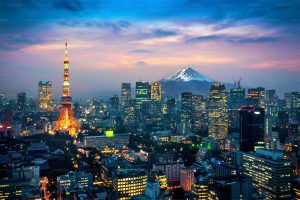
We were somewhat daunted by our initial challenge of driving across Tōkyō after living many years in the more sparsely populated areas of the country. Despite our apprehensions, we pressed forward through the endless maze of skyscrapers and high-rises crammed against one another, blindly trusting our car navigation system to take us safely across a vast sea of humanity. With a population over 37 million people, Greater Tōkyō is recognized as the largest metropolitan center on earth today and also in history. It boasts the busiest intersection in the world at Shibuya, where up to 3,000 pedestrians cross at a time and the busiest train station at Shinjuku that accommodates an average of 3.6 million passengers per day. As Japan’s capital, economic, educational and cultural center, Tōkyō also serves as the nation’s international gateway for millions more visiting the country on an annual basis. The city is a unique blend of the ultramodern with its bright lights, fast pace and creative architecture, while preserving its traditional heritage evidenced by the many historical temples scattered throughout the city and the ancient imperial palace located at its center.

Tōkyō traces its history to a small fishing village called Edo that in 1603 became the seat of the newly formed Tokugawa shogunate when power was centralized throughout Japan. As a result, this once sleepy town began to prosper and rapidly expanded its influence. With the eventual collapse of the shogunate two centuries later and the empowerment of the emperor under the Meiji Restoration, the name Edo was changed to Tōkyō (東京), meaning “Eastern Capital.” Presently, Greater Tōkyō consists of 62 municipalities that includes 23 wards, 26 cities, 5 towns and 8 villages that were absorbed by the ever-increasing sprawl of the original city. Some of Tōkyō’s more famous districts include Ginza, Shibuya, Asakusa, Roppongi, Akihabara, Harajuku and Odaiba, with each one featuring certain attractions that appeal to both international and local visitors.

Despite its immensity, Tōkyō is surprisingly recognized as one of the world’s most livable cities and is regularly listed among the safest places to visit or live. Foreign influences are also conspicuous with many tourists flocking to visit Disney Land, Disney Sea or to dine at one of the many five-star restaurants boasting cuisine from around the world. International customers also enjoy the privilege of tax-free shopping in the many name brand luxury stores. The Tōkyō Tower, another popular tourist attraction, was inspired by the Eiffel Tower but is now dwarfed by the Tōkyō Sky Tree, the second tallest structure in the world. All of these activities are made possible by an incredible transportation system that efficiently moves up to 40 million passengers per day to every corner of this modern urban miracle.

From the lofty perch afforded by the Sky Tree, one cannot help but marvel at the sheer vastness of Tōkyō, the masses of people that call it home and the incredible infrastructure needed to sustain it all. Everywhere you look there are people. It serves as a reminder that God loves people and that one of His initial commands to mankind was to “be fruitful and increase in number; fill the earth and subdue it.” (Genesis 1:28) The record of Genesis traces the partial fulfillment of this decree but also humanity’s intentional refusal to disperse when they said to themselves “Come, let us build ourselves a city… otherwise we will be scattered.” (Genesis 11:4) Their stated objective was to “make a name” for themselves (Genesis 11:4) signifying their self-reliance and deliberate independence from God. Therefore, God intervened and forcibly dispersed them by confusing their language. (Genesis 11:7) This does not mean that God opposes the establishment of cities but rather, He desires nothing to come between Him and people who are created in His image. Tōkyō and all its inhabitants are His.

My Home

My Father’s house has many rooms…I am going there to prepare a place for you.” John 14:2

My Home

We opened the door of our first home in Japan with great anticipation and curiosity. Upon entering, we immediately encountered the first of many differences between American and Japanese housing. We stood in the tiny cubicle known as the genkan (entry way), where we were promptly instructed to take off our shoes, place them in the nearby getabako (shoe cupboard) and step into the provided slippers. From there we proceeded to explore our new domicile. The overall dimensions underwhelmed us since all the rooms, particularly the kitchen, seemed tiny compared to the American apartment we had recently vacated. There was no sink in the apartment, except for the one in the kitchen, and the single toilet was located far from the bathing area in the coldest corner of the house. The placement of the toy-like washing machine seemed to be an afterthought and the total closet space in the apartment was minimal. Fortunately, we had few possessions at the time and only one child. Going upstairs, we were surprised to discover that the standard tatami (straw) mats we expected to find had been replaced with hard flooring to accommodate the growing Japanese trend of using western furniture.

As the years slipped by, our first apartment in Japan was eventually demolished along with several other places where we previously lived. Understandably, those rather dated edifices gave way to newer, better built, better equipped and better insulated housing alternatives that are presently more common in Japan. This progression explained why older buildings in our neighborhood were routinely torn down and the remaining rubble was then expeditiously hauled away to accommodate a younger generation with different expectations. Ever increasing property prices facilitated the pace of these changes as the land was considered to be far more valuable than the structures previously built upon them.

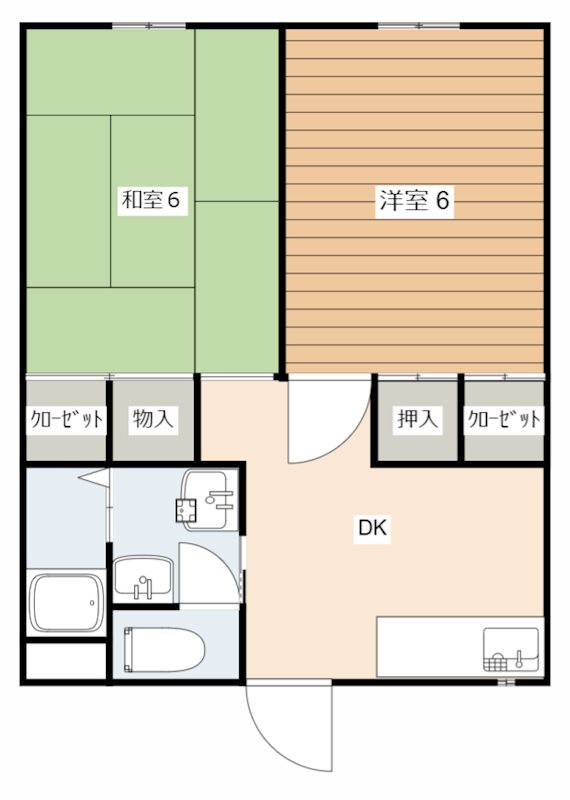
Current Japanese housing reflects a blend of past patterns with modern conveniences, advanced building materials and newer styles. One indicator of this transition is the usage of the Japanese terms washitsu (和室Japanese style room) and yōshitsu (洋室western style room) to help identify the composition of a particular Japanese home. Likewise, the size or nature of all housing units are usually indicated by placing a numeral in front of the acronyms LDK or DK, which stand for Living/Dining/Kitchen areas or the more space restricted Dining/Kitchen version. The numeral juxtaposed in front of the acronym specifies the number of additional rooms which vary in size. A 4LDK then is a housing unit that has four rooms in addition to a living room, dining room and kitchen area. The size of individual rooms is often indicated by the number of tatami mats (roughly 3 ft x 6 ft) that can fit in the room. However, the number of square meters is now increasingly used as a substitute measurement. Advertisements for a housing unit may include the presence of a balcony, available parking space(s), existence of a special storage area (monōki), accessibility to public transportation and the year the unit was constructed.

Food, clothing and shelter are universally considered to be basic human necessities within the context of a supporting community. As Jesus prepared His followers for His impending departure, He unexpectedly gave them a wonderful promise of an eternal home that they probably did not immediately grasp (John 14:2). Jesus was going to prepare a place for them in the very presence of God for all eternity. Of course, this would only be possible at great cost through the cross, but all who believed in Him would be welcome to reside there. Our present homes on earth come in many forms, but they are all impermanent and inadequate. My home in heaven is forever where I will enjoy unparalleled communion with God and His people. That’s an edifice that will never be torn down.

Wheels

“So I went down to the potter’s house, and I saw him working at the wheel.” Jeremiah 18:3

Wheels

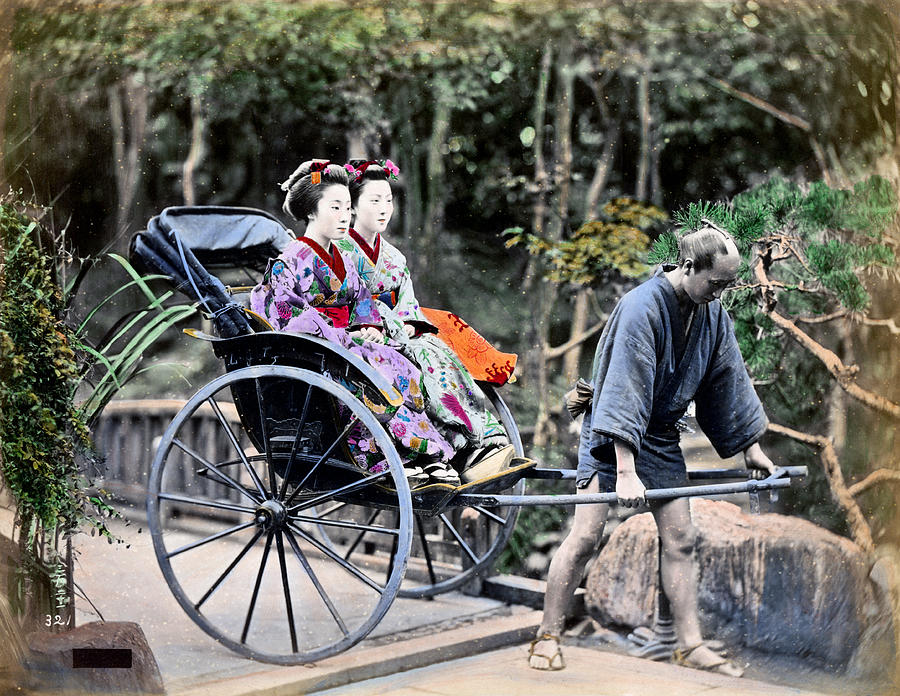
Japan is a land of many unique happenings, including an interesting historical oddity when the general usage of the wheel was banned during the Edo Period (1603-1867). This unusual law was reputedly enacted by Tokugawa Ieyasu, a powerful shogun (a supreme military leader), following a century of brutal conflict that culminated with the ascendency of the Tokugawa clan to absolute rule. Numerous theories have been proposed to account for this unusual measure involving the restriction of wheels, but it is probably a combination of two major factors. One theory is that a law prohibiting the usage of wheels throughout Japan likely discouraged competing feudal lords from opposing the shogunate rule since the ability to swiftly transport warriors, weaponry and supplies would be significantly hampered. Other historians conjecture that the mountainous terrain characteristic of Japan made wheels difficult to use unless a network of roads was constructed, which would require a huge financial outlay by the governmental authorities. Therefore, nobility were usually carried in palanquins and all supplies were transported by human labor under the rule of subsequent shoguns.

It is believed that the origins of the wheel in Japan came via China at some point in the sixth or seventh century. In other parts of the world, wheels were customarily convenient to use where there was an expanse of level ground or in major urban areas. But they often proved to be impractical in the predominant mountainous landscape of Japan. Therefore, the transportation of goods over long distances was usually done on major rivers or by sea faring ships that hugged the coastlines. The term “wheel” in Japanese is kuruma, but now the word is more commonly used for a car. The Japanese character for kuruma (車) is frequently incorporated in words denoting numerous forms of transportation that involve wheels, such as bicycles, carts, trains, wheelbarrows and unicycles.

In this modern era, it is admittedly hard to imagine a Japan without wheels. The preponderance of cars, motorcycles, planes, trains, buses, bicycles and other forms of transit all use wheels. Wheels are now considered to be essential to the clockwork precision by which people and materials are easily moved from one end of the country to the other. The ancient network of roads, like the famous Tōkaidō, that were originally constructed for travelers on foot or horseback, eventually gave way to modern transportation routes featuring the predominance of the wheel.

Wheels have other purposes besides transportation as the prophet Jeremiah pointed out through his powerful analogy centered on a potter’s wheel. In chapter 18 of the Book of Jeremiah, God is compared to a potter who takes a lump of clay, representing His people, and expertly reshapes it into a vessel suited for His eternal purposes. This illustration is a helpful reminder that each of us is a unique creation in the hands of God as He forms us into useful vessels to reflect His glory. Such a process is often painful as it calls for deconstruction of the clay vessel before it is reconstructed into something much more serviceable for the Master’s purposes. A wheel is intended to take us to places where we want to go and similarly, as pieces of clay on the Heavenly Potter’s wheel, we are lovingly prepared for the places where God leads and for the things He desires. (verse 4) This is one wheel that should never be outlawed but instead, be embraced in faith by every child of God.

Teachers

“Not only was the Teacher wise, but he also imparted knowledge to the people.” Ecclesiastes 12:9

Teacher

In 1984 a surprisingly popular film, The Karate Kid, hit the theaters with a unique storyline centered on a confused American teenager who was trained in karate by an older Japanese man using rather unconventional methods. While the movie was certainly entertaining, it had an additional impact of introducing the Japanese concept of “sensei” to American culture. In his role as a sensei, Mr. Miyagi passed on his knowledge of karate to his young apprentice, who in turn slowly grasped not only martial arts skills, but how a Japanese sensei is quite different from a normal teacher. In general terms, a sensei is used as a title of respect for someone who has accumulated extensive training and knowledge in a particular skill or art form and then passes on that expertise to a willing learner.

The literal translation of sensei (先生) is a “person born before another,” which gives way to the wider meaning of “one who comes before.” This broader application of the term implies a mutually understood relationship where one member is regarded as a superior and the other as an inferior. This disparity in status is not grounded in intrinsic worth, but rather, on the possession of certain skills, experiences and knowledge. When the word sensei is actively employed across various social, artistic, religious and financial constructs, it usually includes doctors, pastors, musicians, traditional craftsmen, politicians, martial arts instructors, experts in tea ceremonies and, of course, educators.

The opposite word for sensei is deshi, who is regarded as the student or apprentice in the instructional relationship. However, there are times when these relational or social lines are not clearly fixed but are contingent upon peculiar circumstances. For example, when we studied at our organization’s Japanese language school, we respectfully referred to our teachers as sensei. But if the teacher was a Christian and we attended the same church, he or she would dutifully acknowledge us in public as sensei because of our pastoral training and position. We were both sensei, but only within certain contexts. In the course of ministry, we sometimes pushed back against this somewhat artificial divide when applied to clergy and laity. We frequently encouraged church members to drop the honorary suffix of sensei when referring to us but due to deeply established patterns, many found such changes to be very difficult to implement. Perhaps The Karate Kid best captures these traditional nuances in a couple of widely used quotes by Mr. Miyagi who attempts to explain his sensei role to his new pupil in fractured English.

“No such thing as bad student, only bad teacher. Teacher say, student do.”

“We make sacred pact. I promise teach karate; you promise learn. I say, you do, no questions.”

Inherent within the concept of teacher in nearly every culture are the elements of instruction and authority, which are embedded in a mutually understood relationship. This important role can then be readily applied to God Himself who is depicted as a teacher by the patriarch Job in confronting the criticisms of his so-called friends (Job 36:22). Since God is the Creator and sustainer of this universe, it naturally follows that He is uniquely qualified to instruct us in how to successfully live within His perfectly established parameters. However, God also chooses to delegate this role to others who can instruct us in godliness based upon their understanding of His Word and their spiritual character cultivated in their personal walk with God. Among these recognized sensei in the Bible is the one who is aptly referred to as “the Teacher” in the Book of Ecclesiastes and commonly identified as King Solomon. (Ecclesiastes 1:1) Solomon certainly had authority as the King of Israel, but his deep understanding of the things of God and his willingness to pass that wisdom on to others set him apart from the other kings who followed. Sadly, Solomon eventually disqualified himself as a teacher as he strayed from the precepts he had taught others. We must choose our sensei carefully and follow in God’s ways.

Respect for the Elderly

Show respect for the elderly and revere your God.”  Leviticus 19:32

Elderly

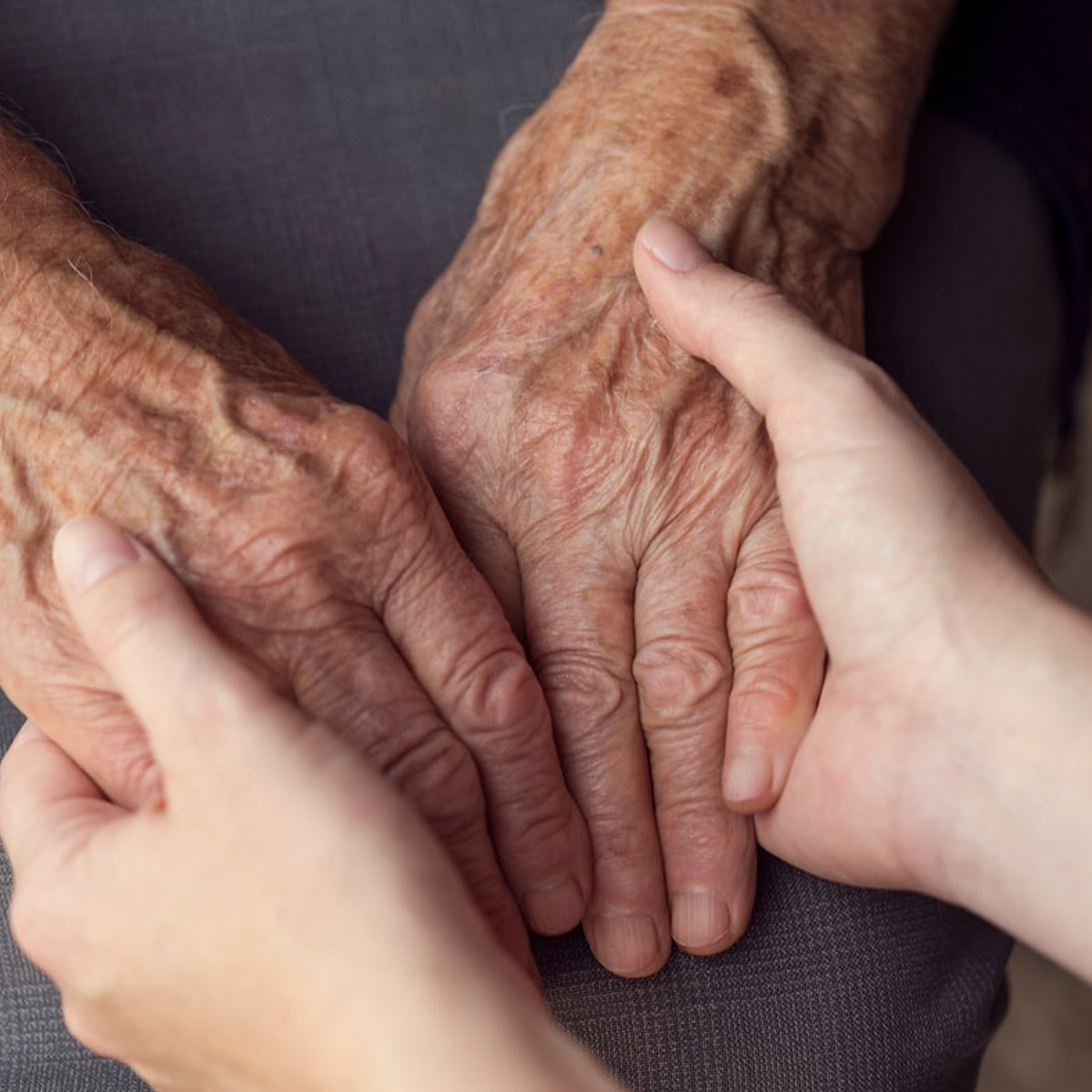
It was senior discount day at the local ski slope in Japan and for the first time, my wife and I were eligible to receive this special rate. When we bought our tickets, we were pleasantly surprised to discover that an all-day lift pass, which normally costs $65, was reduced to only $15. I quietly congratulated myself on this unexpected boon, thinking that getting older has its perks! As is true in many Asian countries, Japan respects the elderly contingent of its society. It has even set aside one day of the year to honor its senior citizens, calling it Keiro no Hi (敬老の日), meaning “Respect for the Aged Day.”

Japan enjoys the world’s second longest life expectancy (87 years for women, 81 for men) and boasts of the greatest number of centenarians (80,000), with the vast majority (88%) of them being women. This rapidly graying trend in composition of the population makes Japan the fastest-aging country in the world; almost a third of its people are age 65 or older. A seemingly contradictory consequence of this increase among the elderly is an alarming steady decrease in the population, which in turn, puts other negative pressures on an already overburdened economy.

Despite these concerns, the elderly still enjoy a number of privileges in Japan such as special seating on public transportation, substantial senior discounts to various activities and extra time for new forms of leisure targeting this particular group in society. In addition, healthcare is inexpensive and available to all, but obviously, it is the older generation that takes the fullest advantage of this benefit. Many elderly live under a single roof with younger family members who assist with their care and this helps to cut overall costs. While some people may consider this to be a burden, most retirees are treated with a measure of respect and honored in their twilight years for their past sacrifices for their family.

One of the alarming trends in Japanese society closely related to this topic is the rapid aging of church members and the elderly pastors that care for them. Recent surveys reveal that 89% of Japanese pastors are over the age of 50 and almost half (47%) are over the age of 70. While it is certainly beneficial to have a good number of older pastors to care for an increasingly graying church, this does not bode well for the future growth of the church which must include a younger demographic.

Besides the benefits of cheaper ski lift tickets and numerous discounts, getting older in Japan has other meaningful advantages. For example, older pastors and church members have an increased measure of wisdom and maturity that comes from years of experience and this knowledge can be passed on to others for their benefit. This is true in many other areas as the elderly still have much to offer to the younger generation. Fortunately, Japan is a country that does not discount the contributions of the aged in such matters, but at the same time, the elderly must exercise discernment and grace in dispensing their wisdom gleaned over many years. Respect for the elderly is a biblical imperative (Leviticus 19:32) that has the potential to bring blessing to both the old and the young. Obedience to this command is also an indicator of one’s attitude towards God Himself. In that regard, every day should be Keiro no Hi.

Broken Pieces

Yet you, Lord, are our Father. We are the clay, you are the potter; we are all the work of your hand.”                                                                                                                          Isaiah 64:8

kintsugi

We often hear the phrase “beauty is in the eyes of the beholder.” This statement is certainly a valid assumption with regard to individual appraisals, but it is also true on a cultural level. A clear example of this concept can be seen in the unique Japanese pottery technique known as kintsugi (金継ぎ), which means “joining with gold.” Unlike normal pottery creations that strive for perfection and uniformity, kintsugi begins with brokenness. This ancient artform centers on joining broken pottery pieces together using a special lacquer-based glue mixed with powdered gold. The intended overall effect is to enhance the aesthetic appeal of the object despite its obvious repairs.

Kintsugi is a deliberate form of flawed beauty which captures the ancient Japanese aesthetic principle known as wabi-sabi, where the values of imperfection, transience and incompleteness are integral elements in artistic creation. For example, Japanese flower arrangements (ikebana), gardens, paintings and tea ceremonies often incorporate these rather unusual qualities.

The art of kintsugi serves as a visual reminder that we can turn life’s adversities and brokenness into something that is beautiful and resilient. Rather than attempting to hide or disguise damage, repairs are purposefully highlighted in this special artform. As such, kintsugi is a powerful object lesson that exhorts us to embrace our imperfections and find solace that our wounds, whatever they may be, can serve a worthwhile purpose. God can take broken people and broken plans to accomplish His perfect and eternal objectives.

A prime example of this is the captivating story portrayed in the Book of Esther. The events described in this brief book take place after the golden age of King Solomon had faded to a distant memory. The magnificent temple of God and Jerusalem have both been reduced to rubble and God’s people are enslaved in the foreign land of Persia. While this powerful story has many unexpected twists and turns as the plot unfolds, it shines a spotlight on God and His divine purposes without ever mentioning His name. It is a compelling tale of redemption, where God takes a broken people and restores them to prominence among the nations through a series of very unusual but exciting events. In this story a commoner named Esther becomes queen and her Jewish protector, Mordecai, is unexpectedly elevated to a position of authority second only to the king himself. “For such a time as this” (Esther 4:14), a young woman was sovereignly used by God to repair the fortunes of a shattered people to demonstrate to the surrounding nations God’s incredible handiwork of mercy and power. Like the art of kintsugi, God redeems what is broken and makes it even more beautiful in a fallen world.

It is good to recall that God is engaged in the business of redeeming people as broken objects and re-creating them as vessels of grace and beauty for His eternal purposes. “For such a time as this,” God reassembles the fragmented parts of our lives in ways unimaginable and often unseen, in order to bestow His unmerited blessings upon a needy world. Beauty is indeed in the eyes of the beholder and by the grace of God it comes from our broken pieces. As the master potter, God does all the work and He gets all the glory.

Education

“The fear of the Lord is the beginning of knowledge, but fools despise wisdom and instruction.”                                                                                                                                              Proverbs 7:7

Education

Our first apartment in Japan was located near a number of schools, which provided a bird’s eye view of Japanese school life. From our strategic location, we observed high school students wearing smart uniforms, groups of elementary children shouldering identical backpacks, lines of cute preschoolers in their distinctive attire and student athletes zealously practicing on the nearby playground. Before too long we began to experience some of the different aspects of Japan’s unique educational system on a personal basis when we enrolled our oldest child in the local preschool the following spring, when the school year begins.

We soon discovered that conformity, or doing things together is an obvious value, but it can potentially squash individual initiative and ideas. Rote memorization seems to be a common teaching tool which can, unfortunately, undermine creativity and independent thinking. Despite these flaws, the Japanese educational system is outstanding on a whole and superior to many of its counterparts in the West. We particularly appreciated the focus on morality and ethics in the classroom, though the shame culture often used to enforce such standards had its share of drawbacks. Equally impressive was the utilization of both students and staff alike to clean the schools rather than employing an army of janitors and this also served to teach responsibility to young people.

As students moved into higher grades, competition becomes more intense to enter into prestigious universities in Japan, which leads many parents to enroll their children in cram schools or a juku (塾). Theoretically, this extra work outside of the classroom will help them better prepare for entrance exams. While this objective is understandable, it tends to foster accumulated stress, longer days, and overly tired students. Any spare time in this rigorous schedule is often absorbed by membership in a school club known as a bukatsu (部活動) that centers on sports or cultural activities. Participation in these bukatsu can be very demanding, but they teach important team skills and provide an alternative outlet to the rigorous routine of studies.

A key element in reaching overall educational objectives is the unquestioned authority of teachers who help enforce the many rules that regulate a variety of matters such as clothing, makeup, hair, body piercings, dating and cellphones. But the teachers and administrators have their own set of challenges to deal with as they are routinely transferred every few years within their prefectural school district, creating a considerable amount of instability in their personal lives.

Education is an important common objective no matter where one lives, but there are a wide variety of opinions regarding what methods should be utilized and what subjects should be taught. However, everyone acknowledges that the accumulation and application of knowledge is essential for the successful continuity of a culture and its people. The Bible also recognizes the importance of learning, but it departs from most educational models with regard to its primary objective and starting point. This difference is identified in Proverbs 7:7 where the author wisely notes: “The fear of the Lord is the beginning of knowledge.” Of course, all worthwhile knowledge and education is not limited to just the spiritual realm, but there is an interconnectedness between the spiritual and the physical worlds that should not be overlooked as we strive to know more and pursue success. As the author of Proverbs points out, life works best when God is at the center. Knowledge and application of that particular truth should be indispensable in every educational model.

Duty-Obligation

“Here is the conclusion of the matter: Fear God and keep his commandments, for this is the duty of all mankind.”                                                                                                          Ecclesiastes 12:13

duty2

Our home phone rang unexpectedly Sunday morning, about an hour before the service started for the church plant we were leading. I wondered who it could be… “Sumimasen, this is Mrs. Takahashi and I regret to inform you that I will be unable to attend church this morning.” A few minutes later the phone rang again. “Sumimasen, this is Mr. Sasaki and I’m sorry to say that none of our family will be at church today.” While I was disappointed by these sudden developments, I was also a bit mystified. I wondered why these church members felt compelled to let me know of their absence. I didn’t have to ponder long to arrive at an answer: Gimu (義務). Roughly translated as “obligation, duty or responsibility,” gimu is a powerful force in Japan that drives a tremendous amount of social interaction.

This vague sense of obligation is frequently imposed by rules and regulations associated with one’s occupation, social status or family position. Giri (義理) is a closely related word that captures a similar sense of duty arising from a person’s place in societal structure and focuses more on the burden or responsibility placed upon an individual. While closely linked to the concepts of loyalty, gratitude and indebtedness, gimu is a key element for maintaining social harmony in Japan. Its earlier manifestations were seen in the responsibilities samurai bore under their feudal lords who provided for their subjects in exchange for their unquestioning devotion. Centuries later, this value of gimu transferred easily to the Japanese workplace environment where new “masters” expected a subtler form of subjectivity. Gimu is often visible in family relationships too, with the prime example being an eldest son who is traditionally expected to shoulder certain responsibilities. The value of gimu is certainly present in the educational system, particularly in teacher-student relationships. Likewise, church can easily be perceived as a similar hierarchical structure, which accounts for the earlier response of our church members.

The awareness of owing something and being put in the position of repaying that obligation accounts for a lot of social behavior in Japan and can have a tremendous upside. However, the darker or more extreme side of gimu was embodied by World War II kamikaze pilots who sacrificed their lives in obligation to their country. But the power of gimu in recent history also inspired many employees at the doomed Fukushima power plant to heroically risk their lives to avert a nuclear disaster following the Great East Japan Earthquake in March 2011.

Another term, ninjō (人情), or the human emotion of sympathy and kindness, often comes into conflict with giri so this is a common theme found in Japanese literature. In a society where the concept of self is often defined through social interaction, an individual can understandably feel trapped between the pressure to fulfill his or her perceived duty and the desire to follow their own emotional impulses.

Duty, or the fulfillment of responsibilities, is certainly a biblical value, thus a substantial amount of teaching is devoted as to how these values should be played out within human relationships and social constructs in a way that honor God. But superseding all human social obligations is our duty to fear God and keep His commandments (Ecclesiastes 12:13). In fact, our duty to daily offer to God everything we are and everything we own cannot be separated from our duties to our fellow man. However, unlike giri, these are not a burden we have to bear; instead, they are the basis for harmony with others, flowing out of relational harmony with God. Stated more simply, our mandate or obligation is to love God and to love others (Luke 10:27). This is where gimu and ninjō seamlessly come together at the foot of the cross.

Haiku

“My heart is stirred by a noble theme as I recite my verses for the king; my tongue is the pen of a skillful writer.”      Psalm 45:1

haiku

Haiku (俳句) is Japan’s unique contribution to the many forms of poetic expression that writers traditionally use to convey creative thoughts. A haiku is a very simple style of poetry that aims to simply, but elegantly, capture a brief moment in time juxtaposing two different images. The overarching theme typically includes an element of nature as part of the cumulative objective to offer a sense of enlightenment to the reader.

A haiku consists of only three lines and a total of 17 syllables. The first and third lines are restricted to five syllables each and the middle line expands to seven syllables. Unlike many other forms of poetry, there is no rhyming in haiku as the primary goal is to use a minimum of words to evoke an impression of mystique, beauty or surprise. The Japanese haiku finds its historical roots in tanka poetry, which means “short song,” and consisted of 31 syllables. The great poet Matsuo Bashō (1644-1694) is considered to be the originator of the current haiku form. The following is a famous example of his work:

              An old silent pond

              A frog jumps into the pond—

              Splash! Silence again.

Besides its unique format, there are two additional elements that define a traditional Japanese haiku. One of these is called a kireji (切字), which means literally a “cutting word” and has no equivalent in English grammar. Such words serve to create a dramatic break or pause within the poem, adding structural support and balance. The second element, also introduced by the poet Bashō, is the inclusion of kigo (季語), or what roughly translates to a “season word.” All haiku include a seasonal phrase or word that serves to pull the diverse strands of the poem together. What follows is my amateur efforts at penning a haiku that succinctly depicts my diverse life:

              Dry Texas cacti

              Delicate cherry blossoms

              My home in this world

The Bible is full of poetry and poetic expressions that attempt to describe the unseen within the confines of our literal existence and human understanding. Whole books such as Job, Psalms, Proverbs, Ecclesiastes, Song of Solomon and Lamentations are largely poetic in content and comprise almost a third of the entire Old Testament when poetic portions from other books are included. God’s communication with man is often conveyed in poetic terms and countless biblical characters respond through songs employing metaphorical language to describe His deeds and relationship with man.

Complex and deeper patterns of communication seem almost necessary when the spiritual world and physical world intersect with one another. This explains why the poetic images and language centered on the shepherd motif in Psalm 23 can deeply penetrate our hearts and consciousness, enabling us to better grasp eternal truths. Poetry serves to elevate communication to a higher level when one’s “heart is stirred by a noble theme.” (Psalm 45:1) Common words and communication patterns seem grossly inadequate when speaking of the splendor of God or addressing God Himself.