

“The fear of the Lord is the beginning of knowledge, but fools despise wisdom and instruction.” Proverbs 7:7
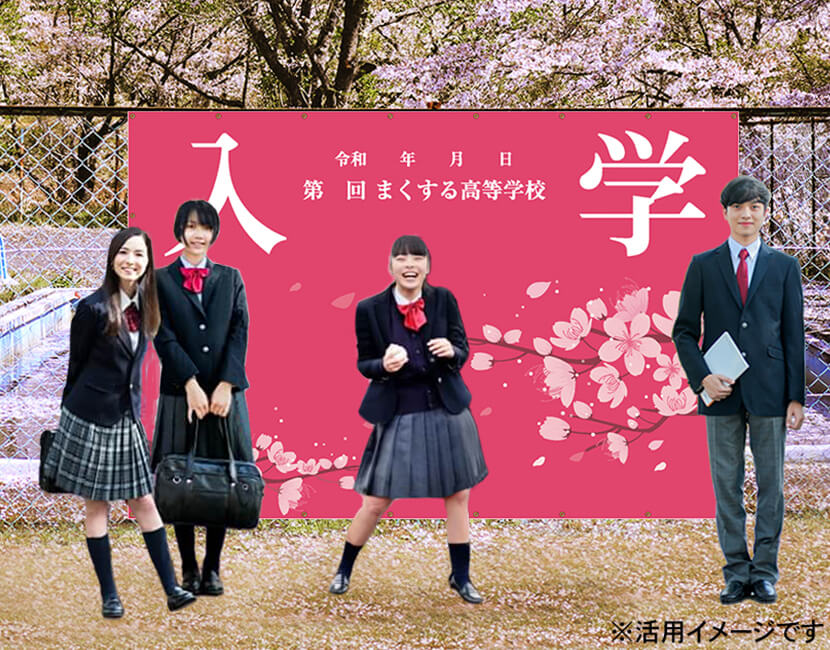
Our first apartment in Japan was located near a number of schools, which provided a bird’s eye view of Japanese school life. From our strategic location, we observed high school students wearing smart uniforms, groups of elementary children shouldering identical backpacks, lines of cute preschoolers in their distinctive attire and student athletes zealously practicing on the nearby playground. Before too long we began to experience some of the different aspects of Japan’s unique educational system on a personal basis when we enrolled our oldest child in the local preschool the following spring, when the school year begins.
We soon discovered that conformity, or doing things together is an obvious value, but it can potentially squash individual initiative and ideas. Rote memorization seems to be a common teaching tool which can, unfortunately, undermine creativity and independent thinking. Despite these flaws, the Japanese educational system is outstanding on a whole and superior to many of its counterparts in the West. We particularly appreciated the focus on morality and ethics in the classroom, though the shame culture often used to enforce such standards had its share of drawbacks. Equally impressive was the utilization of both students and staff alike to clean the schools rather than employing an army of janitors and this also served to teach responsibility to young people.
As students moved into higher grades, competition becomes more intense to enter into prestigious universities in Japan, which leads many parents to enroll their children in cram schools or a juku (塾). Theoretically, this extra work outside of the classroom will help them better prepare for entrance exams. While this objective is understandable, it tends to foster accumulated stress, longer days, and overly tired students. Any spare time in this rigorous schedule is often absorbed by membership in a school club known as a bukatsu (部活動) that centers on sports or cultural activities. Participation in these bukatsu can be very demanding, but they teach important team skills and provide an alternative outlet to the rigorous routine of studies.
A key element in reaching overall educational objectives is the unquestioned authority of teachers who help enforce the many rules that regulate a variety of matters such as clothing, makeup, hair, body piercings, dating and cellphones. But the teachers and administrators have their own set of challenges to deal with as they are routinely transferred every few years within their prefectural school district, creating a considerable amount of instability in their personal lives.
Education is an important common objective no matter where one lives, but there are a wide variety of opinions regarding what methods should be utilized and what subjects should be taught. However, everyone acknowledges that the accumulation and application of knowledge is essential for the successful continuity of a culture and its people. The Bible also recognizes the importance of learning, but it departs from most educational models with regard to its primary objective and starting point. This difference is identified in Proverbs 7:7 where the author wisely notes: “The fear of the Lord is the beginning of knowledge.” Of course, all worthwhile knowledge and education is not limited to just the spiritual realm, but there is an interconnectedness between the spiritual and the physical worlds that should not be overlooked as we strive to know more and pursue success. As the author of Proverbs points out, life works best when God is at the center. Knowledge and application of that particular truth should be indispensable in every educational model.
 Ippo Ippo