
Scary Phone Calls

But if it is by the Spirit of God that I drive out demons, then the kingdom of God has come upon you.”

Matthew 12:28

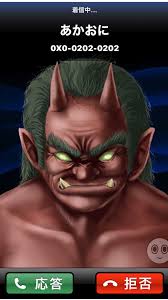
Do you, or someone you know, experience difficulty in getting your child to take a nap, brush their teeth or clean their room? If so, Japan has the perfect parenting app just for these kinds of situations. It’s called “Oni Kara Denwa” (鬼から電話), or “Phone Call from a Demon/Ogre.” This highly unusual, and rather controversial, concept straddles the line between creepy psychological abuse and facetious fun. However, the clear and laudable intention of this unique parenting approach is to promote better behavior among disobedient children. Surprisingly, over ten million desperate Japanese parents have downloaded the somewhat questionable Oni Kara Denwa app in an attempt to raise socially responsible children.

Oni, often translated as ogres or demons,are usually depicted in Japanese folklore and modern stories as malevolent, fearsome creatures who dispense misfortune or act as agents of divine justice when unwittingly provoked. Over the centuries, well-meaning parents have routinely tapped into these semi-benign stories by subtly invoking the threat of demons to their uncooperative children with the goal of promoting better behavior from them. For example, if one’s child refuses to do their homework, eat their vegetables, throws a tantrum, or is caught in the act of lying, a tech-savvy parent can just download the app and choose an ogre who seems best suited for that particular problem. The phone then rings, is handed over to the child, and the oni will proceed with warnings and threats in an attempt to scare the child towards improved conduct. The variety of characters available for such an assignment may include a number of characters ranging from traditional ogres to witches, ghosts, zombies, aliens, wolfmen, scary ninjas and even a frightful old hag. The content and tone of the threat will vary according to the conscripted character and the nature of the misbehavior. The app also employs the partly humorous, yet frightful facial expressions of a famous comedian known as Kintaro, as well as several animated creatures whose images are equally unsettling. 

The idea of employing fraudulent ogres to terrorize a child into better behavior seems to be an abhorrent and rather dubious parenting technique, particularly if one’s worldview includes the actual existence and activities of demons. Scriptures tell us that one of the identifying signs of the promised Messiah was that he would have unprecedented authority over both the physical and spiritual realms, enabling him to heal all manner of illnesses and cast out demons (Luke 7:18-23). Jesus himself testified that such an exhibition of power over evil was an important indicator of the imminence of God’s kingdom (Matthew 12:28). He further affirmed this truth through an analogy where he compared himself to one who “ties up the strong man,” in reference to Satan, in order to “plunder his house” (v.29). Possessing such knowledge, as children of God, we should not live in fear of darker entities and their evil intentions. Instead, we are repeatedly exhorted in the Scriptures to fear God, not because He is capricious and needs to be placated, but because He is worthy of our worship. Solomon arrived at the same conclusion noting: “Fear God and keep his commandments, for this is the duty of all mankind.” (Ecclesiastes 12:13) Therefore, rather than utilizing an app based on terror, we should revere our holy, omnipotent and omniscient Heavenly Father who desires our well-being above all else. We can approach Him anytime, anywhere, even without an app.

Honorifics

“So in Christ Jesus you are all children of God through faith.”        Galatians 3:26

Every society utilizes standardized language patterns and cultural behaviors to help identify an individual’s place within society and Japan is no exception to this rule. Visible in children’s playgrounds, educational institutions, corporate structures and family interactions, these social and language cues serve to govern life. More importantly, they help to facilitate community. In Japan, this common practice can be clearly seen in the use of honorifics embedded in daily communication. Generally known as keishō (敬称), certain suffixes or prefixes are routinely utilized when referring to or addressing others in conversation.

The suffix of “san” (さん), attached to a person’s name, is by far the most common honorific employed in every day speech. San is typically translated as “Mr., Mrs., Ms. or Miss” and is generally used as a title of respect between adult equals in both formal and informal contexts. It is also applied to senior family members such as fathers, mothers, aunts, uncles and grandparents as a sign of respect. A higher level of esteem is indicated through the suffix “sama” (様), which is applied to people of greater status within society, a group or an organization. This particular honorific is also customarily utilized in formal correspondence and standardly attached to the addressee’s name on an envelope.

In contrast to san and sama, the suffixes kun (君) and chan (ちゃん) are informally used for a generally younger demographic and tend to be more gender specific. For example, kun is often attached to the name of younger men or boys by an older speaker or someone within the same age group. Kun can also indicate a junior status within the workplace or an academic circle. Both males and females may refer to someone using the kun suffix if they feel an emotional or other attachment to the individual. Unlike the designation kun which is commonly applied to boys, chan is most frequently used for girls, small children, babies, female friends or for women who seem young in the eyes of the speaker. Among young people, chan can connotate a close relationship or a feeling of affinity. In addition, “o” and “go” are often used as honorific prefixes to nouns that indicate certain positions such as a customer or a doctor.

Titles such as senpai, kōhai and sensei are neither suffixes nor prefixes, but rather, honorific terms which are frequently used to indicate relationship. A senpai (先輩) is a senior colleague or classmate because of their age or experience and literally means “former born.” Opposite of a senpai is a kōhai (後輩), who is a junior in the relationship within an informal hierarchy commonly found in schools, clubs and businesses. Probably the most common honorific term is sensei (先生) which is not an age indicator but rather, highlights an individual’s level of expertise within their respective field, such as a doctor, an artist or a scholar. Sensei is usually translated as “teacher,” as some kind of teaching role is often involved.

The world in which we live sometimes seems to be overly preoccupied with separating people into categories that can often produce negative results such as prejudice, discrimination, injustice and intolerance. But the New Testament clearly teaches that all such prejudicial constructs and categories that typically divide us are abolished at the foot of the cross. It is not our skin color, gender, economic status or occupation that earns us any favor with God, but solely our faith in what He has done through His Son Jesus. Manmade efforts to create and foster community are no longer needed when we become children of God. (Galatians 3:26) Through the grace and work of God, everyone has a seat at the table.

Tōkyō

“Come, let us build ourselves a city… otherwise we will be scattered.”                            Genesis 11:4

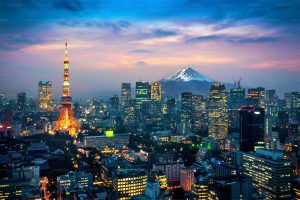
We were somewhat daunted by our initial challenge of driving across Tōkyō after living many years in the more sparsely populated areas of the country. Despite our apprehensions, we pressed forward through the endless maze of skyscrapers and high-rises crammed against one another, blindly trusting our car navigation system to take us safely across a vast sea of humanity. With a population over 37 million people, Greater Tōkyō is recognized as the largest metropolitan center on earth today and also in history. It boasts the busiest intersection in the world at Shibuya, where up to 3,000 pedestrians cross at a time and the busiest train station at Shinjuku that accommodates an average of 3.6 million passengers per day. As Japan’s capital, economic, educational and cultural center, Tōkyō also serves as the nation’s international gateway for millions more visiting the country on an annual basis. The city is a unique blend of the ultramodern with its bright lights, fast pace and creative architecture, while preserving its traditional heritage evidenced by the many historical temples scattered throughout the city and the ancient imperial palace located at its center.

Tōkyō traces its history to a small fishing village called Edo that in 1603 became the seat of the newly formed Tokugawa shogunate when power was centralized throughout Japan. As a result, this once sleepy town began to prosper and rapidly expanded its influence. With the eventual collapse of the shogunate two centuries later and the empowerment of the emperor under the Meiji Restoration, the name Edo was changed to Tōkyō (東京), meaning “Eastern Capital.” Presently, Greater Tōkyō consists of 62 municipalities that includes 23 wards, 26 cities, 5 towns and 8 villages that were absorbed by the ever-increasing sprawl of the original city. Some of Tōkyō’s more famous districts include Ginza, Shibuya, Asakusa, Roppongi, Akihabara, Harajuku and Odaiba, with each one featuring certain attractions that appeal to both international and local visitors.

Despite its immensity, Tōkyō is surprisingly recognized as one of the world’s most livable cities and is regularly listed among the safest places to visit or live. Foreign influences are also conspicuous with many tourists flocking to visit Disney Land, Disney Sea or to dine at one of the many five-star restaurants boasting cuisine from around the world. International customers also enjoy the privilege of tax-free shopping in the many name brand luxury stores. The Tōkyō Tower, another popular tourist attraction, was inspired by the Eiffel Tower but is now dwarfed by the Tōkyō Sky Tree, the second tallest structure in the world. All of these activities are made possible by an incredible transportation system that efficiently moves up to 40 million passengers per day to every corner of this modern urban miracle.

From the lofty perch afforded by the Sky Tree, one cannot help but marvel at the sheer vastness of Tōkyō, the masses of people that call it home and the incredible infrastructure needed to sustain it all. Everywhere you look there are people. It serves as a reminder that God loves people and that one of His initial commands to mankind was to “be fruitful and increase in number; fill the earth and subdue it.” (Genesis 1:28) The record of Genesis traces the partial fulfillment of this decree but also humanity’s intentional refusal to disperse when they said to themselves “Come, let us build ourselves a city… otherwise we will be scattered.” (Genesis 11:4) Their stated objective was to “make a name” for themselves (Genesis 11:4) signifying their self-reliance and deliberate independence from God. Therefore, God intervened and forcibly dispersed them by confusing their language. (Genesis 11:7) This does not mean that God opposes the establishment of cities but rather, He desires nothing to come between Him and people who are created in His image. Tōkyō and all its inhabitants are His.

My Home

My Father’s house has many rooms…I am going there to prepare a place for you.” John 14:2

My Home

We opened the door of our first home in Japan with great anticipation and curiosity. Upon entering, we immediately encountered the first of many differences between American and Japanese housing. We stood in the tiny cubicle known as the genkan (entry way), where we were promptly instructed to take off our shoes, place them in the nearby getabako (shoe cupboard) and step into the provided slippers. From there we proceeded to explore our new domicile. The overall dimensions underwhelmed us since all the rooms, particularly the kitchen, seemed tiny compared to the American apartment we had recently vacated. There was no sink in the apartment, except for the one in the kitchen, and the single toilet was located far from the bathing area in the coldest corner of the house. The placement of the toy-like washing machine seemed to be an afterthought and the total closet space in the apartment was minimal. Fortunately, we had few possessions at the time and only one child. Going upstairs, we were surprised to discover that the standard tatami (straw) mats we expected to find had been replaced with hard flooring to accommodate the growing Japanese trend of using western furniture.

As the years slipped by, our first apartment in Japan was eventually demolished along with several other places where we previously lived. Understandably, those rather dated edifices gave way to newer, better built, better equipped and better insulated housing alternatives that are presently more common in Japan. This progression explained why older buildings in our neighborhood were routinely torn down and the remaining rubble was then expeditiously hauled away to accommodate a younger generation with different expectations. Ever increasing property prices facilitated the pace of these changes as the land was considered to be far more valuable than the structures previously built upon them.

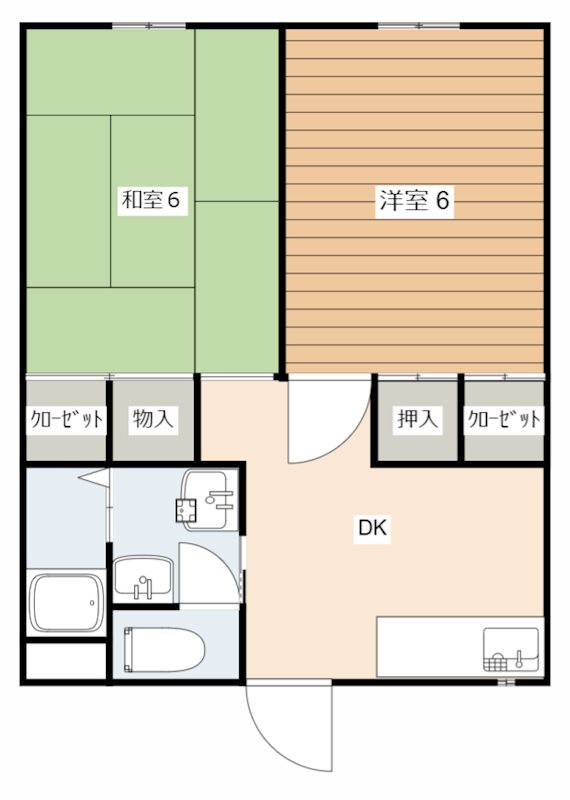
Current Japanese housing reflects a blend of past patterns with modern conveniences, advanced building materials and newer styles. One indicator of this transition is the usage of the Japanese terms washitsu (和室Japanese style room) and yōshitsu (洋室western style room) to help identify the composition of a particular Japanese home. Likewise, the size or nature of all housing units are usually indicated by placing a numeral in front of the acronyms LDK or DK, which stand for Living/Dining/Kitchen areas or the more space restricted Dining/Kitchen version. The numeral juxtaposed in front of the acronym specifies the number of additional rooms which vary in size. A 4LDK then is a housing unit that has four rooms in addition to a living room, dining room and kitchen area. The size of individual rooms is often indicated by the number of tatami mats (roughly 3 ft x 6 ft) that can fit in the room. However, the number of square meters is now increasingly used as a substitute measurement. Advertisements for a housing unit may include the presence of a balcony, available parking space(s), existence of a special storage area (monōki), accessibility to public transportation and the year the unit was constructed.

Food, clothing and shelter are universally considered to be basic human necessities within the context of a supporting community. As Jesus prepared His followers for His impending departure, He unexpectedly gave them a wonderful promise of an eternal home that they probably did not immediately grasp (John 14:2). Jesus was going to prepare a place for them in the very presence of God for all eternity. Of course, this would only be possible at great cost through the cross, but all who believed in Him would be welcome to reside there. Our present homes on earth come in many forms, but they are all impermanent and inadequate. My home in heaven is forever where I will enjoy unparalleled communion with God and His people. That’s an edifice that will never be torn down.

Teachers

“Not only was the Teacher wise, but he also imparted knowledge to the people.” Ecclesiastes 12:9

Teacher

In 1984 a surprisingly popular film, The Karate Kid, hit the theaters with a unique storyline centered on a confused American teenager who was trained in karate by an older Japanese man using rather unconventional methods. While the movie was certainly entertaining, it had an additional impact of introducing the Japanese concept of “sensei” to American culture. In his role as a sensei, Mr. Miyagi passed on his knowledge of karate to his young apprentice, who in turn slowly grasped not only martial arts skills, but how a Japanese sensei is quite different from a normal teacher. In general terms, a sensei is used as a title of respect for someone who has accumulated extensive training and knowledge in a particular skill or art form and then passes on that expertise to a willing learner.

The literal translation of sensei (先生) is a “person born before another,” which gives way to the wider meaning of “one who comes before.” This broader application of the term implies a mutually understood relationship where one member is regarded as a superior and the other as an inferior. This disparity in status is not grounded in intrinsic worth, but rather, on the possession of certain skills, experiences and knowledge. When the word sensei is actively employed across various social, artistic, religious and financial constructs, it usually includes doctors, pastors, musicians, traditional craftsmen, politicians, martial arts instructors, experts in tea ceremonies and, of course, educators.

The opposite word for sensei is deshi, who is regarded as the student or apprentice in the instructional relationship. However, there are times when these relational or social lines are not clearly fixed but are contingent upon peculiar circumstances. For example, when we studied at our organization’s Japanese language school, we respectfully referred to our teachers as sensei. But if the teacher was a Christian and we attended the same church, he or she would dutifully acknowledge us in public as sensei because of our pastoral training and position. We were both sensei, but only within certain contexts. In the course of ministry, we sometimes pushed back against this somewhat artificial divide when applied to clergy and laity. We frequently encouraged church members to drop the honorary suffix of sensei when referring to us but due to deeply established patterns, many found such changes to be very difficult to implement. Perhaps The Karate Kid best captures these traditional nuances in a couple of widely used quotes by Mr. Miyagi who attempts to explain his sensei role to his new pupil in fractured English.

“No such thing as bad student, only bad teacher. Teacher say, student do.”

“We make sacred pact. I promise teach karate; you promise learn. I say, you do, no questions.”

Inherent within the concept of teacher in nearly every culture are the elements of instruction and authority, which are embedded in a mutually understood relationship. This important role can then be readily applied to God Himself who is depicted as a teacher by the patriarch Job in confronting the criticisms of his so-called friends (Job 36:22). Since God is the Creator and sustainer of this universe, it naturally follows that He is uniquely qualified to instruct us in how to successfully live within His perfectly established parameters. However, God also chooses to delegate this role to others who can instruct us in godliness based upon their understanding of His Word and their spiritual character cultivated in their personal walk with God. Among these recognized sensei in the Bible is the one who is aptly referred to as “the Teacher” in the Book of Ecclesiastes and commonly identified as King Solomon. (Ecclesiastes 1:1) Solomon certainly had authority as the King of Israel, but his deep understanding of the things of God and his willingness to pass that wisdom on to others set him apart from the other kings who followed. Sadly, Solomon eventually disqualified himself as a teacher as he strayed from the precepts he had taught others. We must choose our sensei carefully and follow in God’s ways.

Respect for the Elderly

Show respect for the elderly and revere your God.”  Leviticus 19:32

Elderly

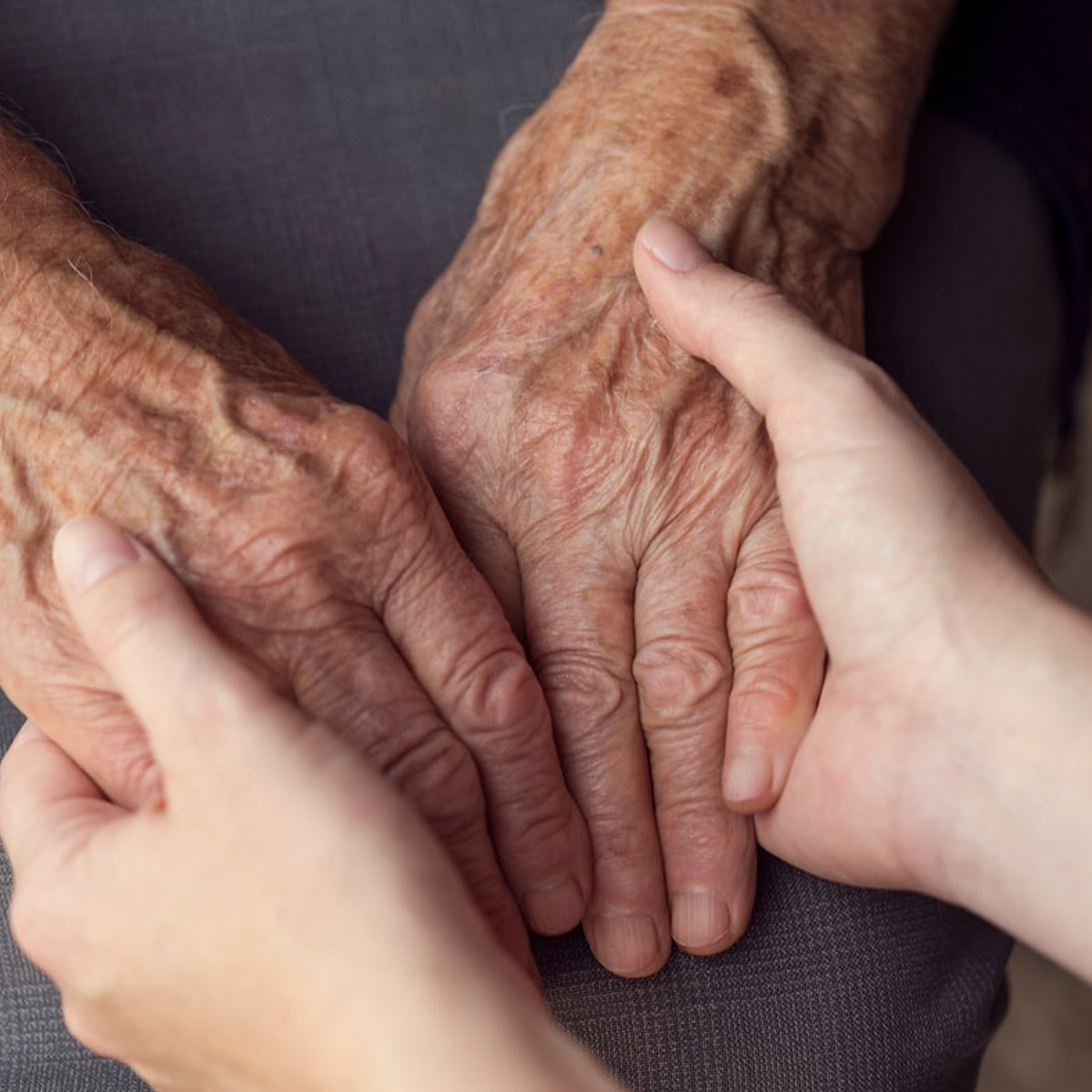
It was senior discount day at the local ski slope in Japan and for the first time, my wife and I were eligible to receive this special rate. When we bought our tickets, we were pleasantly surprised to discover that an all-day lift pass, which normally costs $65, was reduced to only $15. I quietly congratulated myself on this unexpected boon, thinking that getting older has its perks! As is true in many Asian countries, Japan respects the elderly contingent of its society. It has even set aside one day of the year to honor its senior citizens, calling it Keiro no Hi (敬老の日), meaning “Respect for the Aged Day.”

Japan enjoys the world’s second longest life expectancy (87 years for women, 81 for men) and boasts of the greatest number of centenarians (80,000), with the vast majority (88%) of them being women. This rapidly graying trend in composition of the population makes Japan the fastest-aging country in the world; almost a third of its people are age 65 or older. A seemingly contradictory consequence of this increase among the elderly is an alarming steady decrease in the population, which in turn, puts other negative pressures on an already overburdened economy.

Despite these concerns, the elderly still enjoy a number of privileges in Japan such as special seating on public transportation, substantial senior discounts to various activities and extra time for new forms of leisure targeting this particular group in society. In addition, healthcare is inexpensive and available to all, but obviously, it is the older generation that takes the fullest advantage of this benefit. Many elderly live under a single roof with younger family members who assist with their care and this helps to cut overall costs. While some people may consider this to be a burden, most retirees are treated with a measure of respect and honored in their twilight years for their past sacrifices for their family.

One of the alarming trends in Japanese society closely related to this topic is the rapid aging of church members and the elderly pastors that care for them. Recent surveys reveal that 89% of Japanese pastors are over the age of 50 and almost half (47%) are over the age of 70. While it is certainly beneficial to have a good number of older pastors to care for an increasingly graying church, this does not bode well for the future growth of the church which must include a younger demographic.

Besides the benefits of cheaper ski lift tickets and numerous discounts, getting older in Japan has other meaningful advantages. For example, older pastors and church members have an increased measure of wisdom and maturity that comes from years of experience and this knowledge can be passed on to others for their benefit. This is true in many other areas as the elderly still have much to offer to the younger generation. Fortunately, Japan is a country that does not discount the contributions of the aged in such matters, but at the same time, the elderly must exercise discernment and grace in dispensing their wisdom gleaned over many years. Respect for the elderly is a biblical imperative (Leviticus 19:32) that has the potential to bring blessing to both the old and the young. Obedience to this command is also an indicator of one’s attitude towards God Himself. In that regard, every day should be Keiro no Hi.

Education

“The fear of the Lord is the beginning of knowledge, but fools despise wisdom and instruction.”                                                                                                                                              Proverbs 7:7

Education

Our first apartment in Japan was located near a number of schools, which provided a bird’s eye view of Japanese school life. From our strategic location, we observed high school students wearing smart uniforms, groups of elementary children shouldering identical backpacks, lines of cute preschoolers in their distinctive attire and student athletes zealously practicing on the nearby playground. Before too long we began to experience some of the different aspects of Japan’s unique educational system on a personal basis when we enrolled our oldest child in the local preschool the following spring, when the school year begins.

We soon discovered that conformity, or doing things together is an obvious value, but it can potentially squash individual initiative and ideas. Rote memorization seems to be a common teaching tool which can, unfortunately, undermine creativity and independent thinking. Despite these flaws, the Japanese educational system is outstanding on a whole and superior to many of its counterparts in the West. We particularly appreciated the focus on morality and ethics in the classroom, though the shame culture often used to enforce such standards had its share of drawbacks. Equally impressive was the utilization of both students and staff alike to clean the schools rather than employing an army of janitors and this also served to teach responsibility to young people.

As students moved into higher grades, competition becomes more intense to enter into prestigious universities in Japan, which leads many parents to enroll their children in cram schools or a juku (塾). Theoretically, this extra work outside of the classroom will help them better prepare for entrance exams. While this objective is understandable, it tends to foster accumulated stress, longer days, and overly tired students. Any spare time in this rigorous schedule is often absorbed by membership in a school club known as a bukatsu (部活動) that centers on sports or cultural activities. Participation in these bukatsu can be very demanding, but they teach important team skills and provide an alternative outlet to the rigorous routine of studies.

A key element in reaching overall educational objectives is the unquestioned authority of teachers who help enforce the many rules that regulate a variety of matters such as clothing, makeup, hair, body piercings, dating and cellphones. But the teachers and administrators have their own set of challenges to deal with as they are routinely transferred every few years within their prefectural school district, creating a considerable amount of instability in their personal lives.

Education is an important common objective no matter where one lives, but there are a wide variety of opinions regarding what methods should be utilized and what subjects should be taught. However, everyone acknowledges that the accumulation and application of knowledge is essential for the successful continuity of a culture and its people. The Bible also recognizes the importance of learning, but it departs from most educational models with regard to its primary objective and starting point. This difference is identified in Proverbs 7:7 where the author wisely notes: “The fear of the Lord is the beginning of knowledge.” Of course, all worthwhile knowledge and education is not limited to just the spiritual realm, but there is an interconnectedness between the spiritual and the physical worlds that should not be overlooked as we strive to know more and pursue success. As the author of Proverbs points out, life works best when God is at the center. Knowledge and application of that particular truth should be indispensable in every educational model.

Duty-Obligation

“Here is the conclusion of the matter: Fear God and keep his commandments, for this is the duty of all mankind.”                                                                                                          Ecclesiastes 12:13

duty2

Our home phone rang unexpectedly Sunday morning, about an hour before the service started for the church plant we were leading. I wondered who it could be… “Sumimasen, this is Mrs. Takahashi and I regret to inform you that I will be unable to attend church this morning.” A few minutes later the phone rang again. “Sumimasen, this is Mr. Sasaki and I’m sorry to say that none of our family will be at church today.” While I was disappointed by these sudden developments, I was also a bit mystified. I wondered why these church members felt compelled to let me know of their absence. I didn’t have to ponder long to arrive at an answer: Gimu (義務). Roughly translated as “obligation, duty or responsibility,” gimu is a powerful force in Japan that drives a tremendous amount of social interaction.

This vague sense of obligation is frequently imposed by rules and regulations associated with one’s occupation, social status or family position. Giri (義理) is a closely related word that captures a similar sense of duty arising from a person’s place in societal structure and focuses more on the burden or responsibility placed upon an individual. While closely linked to the concepts of loyalty, gratitude and indebtedness, gimu is a key element for maintaining social harmony in Japan. Its earlier manifestations were seen in the responsibilities samurai bore under their feudal lords who provided for their subjects in exchange for their unquestioning devotion. Centuries later, this value of gimu transferred easily to the Japanese workplace environment where new “masters” expected a subtler form of subjectivity. Gimu is often visible in family relationships too, with the prime example being an eldest son who is traditionally expected to shoulder certain responsibilities. The value of gimu is certainly present in the educational system, particularly in teacher-student relationships. Likewise, church can easily be perceived as a similar hierarchical structure, which accounts for the earlier response of our church members.

The awareness of owing something and being put in the position of repaying that obligation accounts for a lot of social behavior in Japan and can have a tremendous upside. However, the darker or more extreme side of gimu was embodied by World War II kamikaze pilots who sacrificed their lives in obligation to their country. But the power of gimu in recent history also inspired many employees at the doomed Fukushima power plant to heroically risk their lives to avert a nuclear disaster following the Great East Japan Earthquake in March 2011.

Another term, ninjō (人情), or the human emotion of sympathy and kindness, often comes into conflict with giri so this is a common theme found in Japanese literature. In a society where the concept of self is often defined through social interaction, an individual can understandably feel trapped between the pressure to fulfill his or her perceived duty and the desire to follow their own emotional impulses.

Duty, or the fulfillment of responsibilities, is certainly a biblical value, thus a substantial amount of teaching is devoted as to how these values should be played out within human relationships and social constructs in a way that honor God. But superseding all human social obligations is our duty to fear God and keep His commandments (Ecclesiastes 12:13). In fact, our duty to daily offer to God everything we are and everything we own cannot be separated from our duties to our fellow man. However, unlike giri, these are not a burden we have to bear; instead, they are the basis for harmony with others, flowing out of relational harmony with God. Stated more simply, our mandate or obligation is to love God and to love others (Luke 10:27). This is where gimu and ninjō seamlessly come together at the foot of the cross.

Jizō Statues

“You, Lord, will keep the needy safe and will protect us forever from the wicked.”             Psalm 12:7

Jizo

My first encounter with jizō statues occurred while driving on a winding, forested road circling a scenic volcanic lake. The silent and gnome-like stone sentries along the road easily blended into their natural setting, but their conspicuous bright red clothing and caps managed to catch my attention. In spite of the frozen half-smiles fixed upon their faces, these solitary figures portrayed a sense of loneliness incongruent with their colorful attire. I had no idea what they were but it was obvious that these stone carvings served some sort of religious purpose. I later learned that they were called jizō (地蔵) or “womb of the earth,” but are often honorifically referred to as ojizō-sama.

Jizō are commonly found on minor roads, in temple gardens, along public footpaths and even outside of busy train stations. They are often housed within a primitive wooden hut to provide a symbolic protection from the elements. These statues are considered to be representatives of a Bosatsu, a Buddhist adherent who sacrificially postponed his own transition to Nirvana in order to aid others on their spiritual journey towards enlightenment. The Jizō variety of Bosatsu are regarded as the protectors of travelers and children, which accounts for their deliberate placement in areas associated with travel. Devotees often dress these jizō statues in red bibs and hats as red is believed to be a color that wards off evil or danger. Legends say that the jizō also protect children who have prematurely died from evil spirits by hiding them in their clothing, thus enabling them to complete their spiritual pilgrimage.

But these seemingly innocuous statues often hide a darker purpose designed to fill deep emotional wounds of women who have miscarried in pregnancy or have chosen to abort the life of their unborn child. Memorial services are offered for those who have experienced such loss in which prayers are offered to the jizō for a dead or unborn child. Such services also provide a form of emotional closure for the grieving or guilt-ridden parent. The origins of this custom may date back as far as the 14th century and is designed to assure the well-being of a child who did not have sufficient opportunity to accrue good karma on earth.

Gazing upon jizō statues, it is not hard to imagine the natural longing of the human heart to seek protection for one’s self or for a deceased loved one. After all, God is continually portrayed in Scriptures as the One who protects His people and several metaphors are used to capture this important concept. That is why God is frequently described as a rock, a hiding place, a stronghold, a shield and even as a mother hen guarding her chicks. But this also raises the question of who are the needy and from what do they need protection?

The Bible often singles out widows, the fatherless and foreigners who are in special need of protection because of their vulnerable social and economic status (Psalm 146:9). However, these examples of needy individuals serve to remind us that any of us at any given time can become weakened and left defenseless by dire circumstances in life or through the devious actions of others. Therefore, we all need a Protector to whom we can flee for safety that no stone statue can begin to provide. In stark contrast, the Maker of Heaven and Earth beckons us to turn to Him for whatever help we may need in whatever crisis we may face. As we travel through life, only God can “keep the needy safe and will protect us forever from the wicked.” (Psalm 12:7) He is no silent stone statue which is impotent to protect us.

Evaporated People

What is your life? You are a mist that appears for a little while and then vanishes.” James 4:14b

Invisible People

When Takahashi san* was laid off from his high paying job without warning, he was ashamed to tell anyone so he continued to pretend every day that he was going to work. After a few weeks, Mr. Takahashi could no longer maintain the charade so instead of disclosing the situation or committing suicide as some might choose to do, he simply disappeared. In doing so, Takahashi san joined the company of many others like him who in colloquial Japanese are referred to as “jōhatsusha” (蒸発者) or, the “evaporated ones.” Each year roughly 100,000 Japanese disappear in a similar manner with a number of factors accounting for such an extreme reaction. Some are fleeing abusive marriages, others seek to escape financial obligations such as unpaid loans or gambling debts, while many simply cannot face real or perceived expectations they have failed to meet.

The term jōhatsusha was first coined in the 1960s when many individuals started to disappear in order to escape broken marriages to avoid public and expensive divorce proceedings. This new social trend escalated even further in the 1990s when the economic bubble burst and a multitude of people, particularly men, suddenly lost the security and benefits of lifetime employment. Seeking a reset in life, many changed their names and often refused entitled public benefits in order to maintain their anonymity. These “evaporated people” quietly entered into a burgeoning shadow economy by taking on low-paying day jobs to make ends meet and increasingly congregated in urban areas of Japan often dominated by Japanese yakuza (mafia). In most cases, it is possible for jōhatsusha to hide in plain sight because of strict Japanese privacy laws that protect their identities. As time slips by, many families cease looking for them altogether and slowly start to regard them as being “dead.” In addition, police have no obligation or interest in tracking jōhatsusha down unless they have committed some kind of crime. Once someone steps out of line in Japan it is very difficult to reenter normal societal patterns, even if one has a change in heart. Second chances are rare in Japan so those who initially choose to evaporate tend to remain in an invisible state, even if they eventually regret that choice.

Since this social phenomenon is widespread and continues to quietly increase, shady companies have steadily emerged alongside this trend to assist those wishing to disappear. These new enterprises are referred to as “yonigeya” (夜逃げや), which is roughly translated as “night flight relocators.” For a set fee, depending upon the service rendered and risks involved, these dubious companies provide the practical logistics needed to help people evaporate. This assistance may include moving possessions, creating false documentation, dealing with loan sharks, offering physical protection, providing transportation or finding a new living location. In addition to yonigeya, published guidelines are easily available to assist those who are considering a jōhatsusha lifestyle.

The choice to evaporate and disappear from life is for many a form of self-preservation. For some it even includes an element of altruism that provides an alternative so they can avoid inflicting any further pain upon loved ones. However, most jōhatsusha would probably acknowledge that adopting a vaporous lifestyle is an inadequate solution that may solve some problems but also creates others. Such acts of desperation inevitably remind us of the transient nature of life itself apart from God and living according to His purposes. James describes such a life as being like a “mist that appears for a little while and then vanishes.” (James 4:14b) We may be able to evaporate from the pursuit of men but never from the presence of God. Unlike a vapor, a life of obedience lingers for eternity.

*Fictional name and incident