
Respect for the Elderly

Show respect for the elderly and revere your God.”  Leviticus 19:32

Elderly

It was senior discount day at the local ski slope in Japan and for the first time, my wife and I were eligible to receive this special rate. When we bought our tickets, we were pleasantly surprised to discover that an all-day lift pass, which normally costs $65, was reduced to only $15. I quietly congratulated myself on this unexpected boon, thinking that getting older has its perks! As is true in many Asian countries, Japan respects the elderly contingent of its society. It has even set aside one day of the year to honor its senior citizens, calling it Keiro no Hi (敬老の日), meaning “Respect for the Aged Day.”

Japan enjoys the world’s second longest life expectancy (87 years for women, 81 for men) and boasts of the greatest number of centenarians (80,000), with the vast majority (88%) of them being women. This rapidly graying trend in composition of the population makes Japan the fastest-aging country in the world; almost a third of its people are age 65 or older. A seemingly contradictory consequence of this increase among the elderly is an alarming steady decrease in the population, which in turn, puts other negative pressures on an already overburdened economy.

Despite these concerns, the elderly still enjoy a number of privileges in Japan such as special seating on public transportation, substantial senior discounts to various activities and extra time for new forms of leisure targeting this particular group in society. In addition, healthcare is inexpensive and available to all, but obviously, it is the older generation that takes the fullest advantage of this benefit. Many elderly live under a single roof with younger family members who assist with their care and this helps to cut overall costs. While some people may consider this to be a burden, most retirees are treated with a measure of respect and honored in their twilight years for their past sacrifices for their family.

One of the alarming trends in Japanese society closely related to this topic is the rapid aging of church members and the elderly pastors that care for them. Recent surveys reveal that 89% of Japanese pastors are over the age of 50 and almost half (47%) are over the age of 70. While it is certainly beneficial to have a good number of older pastors to care for an increasingly graying church, this does not bode well for the future growth of the church which must include a younger demographic.

Besides the benefits of cheaper ski lift tickets and numerous discounts, getting older in Japan has other meaningful advantages. For example, older pastors and church members have an increased measure of wisdom and maturity that comes from years of experience and this knowledge can be passed on to others for their benefit. This is true in many other areas as the elderly still have much to offer to the younger generation. Fortunately, Japan is a country that does not discount the contributions of the aged in such matters, but at the same time, the elderly must exercise discernment and grace in dispensing their wisdom gleaned over many years. Respect for the elderly is a biblical imperative (Leviticus 19:32) that has the potential to bring blessing to both the old and the young. Obedience to this command is also an indicator of one’s attitude towards God Himself. In that regard, every day should be Keiro no Hi.

Duty-Obligation

“Here is the conclusion of the matter: Fear God and keep his commandments, for this is the duty of all mankind.”                                                                                                          Ecclesiastes 12:13

duty2

Our home phone rang unexpectedly Sunday morning, about an hour before the service started for the church plant we were leading. I wondered who it could be… “Sumimasen, this is Mrs. Takahashi and I regret to inform you that I will be unable to attend church this morning.” A few minutes later the phone rang again. “Sumimasen, this is Mr. Sasaki and I’m sorry to say that none of our family will be at church today.” While I was disappointed by these sudden developments, I was also a bit mystified. I wondered why these church members felt compelled to let me know of their absence. I didn’t have to ponder long to arrive at an answer: Gimu (義務). Roughly translated as “obligation, duty or responsibility,” gimu is a powerful force in Japan that drives a tremendous amount of social interaction.

This vague sense of obligation is frequently imposed by rules and regulations associated with one’s occupation, social status or family position. Giri (義理) is a closely related word that captures a similar sense of duty arising from a person’s place in societal structure and focuses more on the burden or responsibility placed upon an individual. While closely linked to the concepts of loyalty, gratitude and indebtedness, gimu is a key element for maintaining social harmony in Japan. Its earlier manifestations were seen in the responsibilities samurai bore under their feudal lords who provided for their subjects in exchange for their unquestioning devotion. Centuries later, this value of gimu transferred easily to the Japanese workplace environment where new “masters” expected a subtler form of subjectivity. Gimu is often visible in family relationships too, with the prime example being an eldest son who is traditionally expected to shoulder certain responsibilities. The value of gimu is certainly present in the educational system, particularly in teacher-student relationships. Likewise, church can easily be perceived as a similar hierarchical structure, which accounts for the earlier response of our church members.

The awareness of owing something and being put in the position of repaying that obligation accounts for a lot of social behavior in Japan and can have a tremendous upside. However, the darker or more extreme side of gimu was embodied by World War II kamikaze pilots who sacrificed their lives in obligation to their country. But the power of gimu in recent history also inspired many employees at the doomed Fukushima power plant to heroically risk their lives to avert a nuclear disaster following the Great East Japan Earthquake in March 2011.

Another term, ninjō (人情), or the human emotion of sympathy and kindness, often comes into conflict with giri so this is a common theme found in Japanese literature. In a society where the concept of self is often defined through social interaction, an individual can understandably feel trapped between the pressure to fulfill his or her perceived duty and the desire to follow their own emotional impulses.

Duty, or the fulfillment of responsibilities, is certainly a biblical value, thus a substantial amount of teaching is devoted as to how these values should be played out within human relationships and social constructs in a way that honor God. But superseding all human social obligations is our duty to fear God and keep His commandments (Ecclesiastes 12:13). In fact, our duty to daily offer to God everything we are and everything we own cannot be separated from our duties to our fellow man. However, unlike giri, these are not a burden we have to bear; instead, they are the basis for harmony with others, flowing out of relational harmony with God. Stated more simply, our mandate or obligation is to love God and to love others (Luke 10:27). This is where gimu and ninjō seamlessly come together at the foot of the cross.

47 Ronin

“Do not take revenge, my dear friends, but leave room for God’s wrath.” Romans 12:19a

47 Ronin

In 2013, Hollywood released the film “47 Ronin” which was loosely based on a famous event in Japan and starred Keanu Reeves. In the ensuing years, this well-chronicled historical incident gained notoriety through several plays and numerous movie versions. As the title indicates, the story centers around rōnin, or former samurai who have been relegated to social outcast status in Japan’s feudal class system.  This loss of prestige is usually due to the death or disgrace of a samurai’s master. Rōnin (浪人) literally means “wandering wave person” and the term is now commonly applied to other societal misfits or wanderers. In modern Japan, the word rōnin is frequently used to describe unemployed white-collar workers or high school graduates who have not been accepted by a university.

According to ancient traditions, a samurai was given the opportunity to commit seppuku (ritual suicide) upon the loss of his master rather than endure a life without honor or status as a rōnin. To do otherwise invited shame, but many rōnin became mercenaries, joined the merchant class or got involved in criminal activities. However, the story of the 47 rōnin was an extreme exception to this pattern.

The legendary tale of these unusual rōnin began with the forced seppuku of Asano Naganori, a minor feudal lord who had assaulted a powerful court official named Kira Yoshinaka in April 1701. However, contrary to accepted traditional patterns, 47 of Asano’s samurai refused to accept their fate and secretly vowed to avenge the death of their master. Led by a samurai named Ōishi, they agreed to disperse and take on ordinary roles as tradesmen and monks to lull their enemy into complacency. Over a year later, on January 31, 1703, the 47 rōnin broke through Kira’s lax defenses and succeeded in killing him, carrying out their intricate plan for vengeance. Knowing that authorities would not condone their vendetta, this band of dedicated rōnin proceeded to place Kira’s severed head on their master’s tomb in the Sengaku-ji Temple and then laid down their weapons in surrender. These infamous assailants were then ordered to commit seppuku, which only served to further cement their legendary status throughout Japan. As Asano’s devoted retainers, the 47 rōnin were ceremonially buried near their master, which over time, become a place of veneration due to their enduring example of loyalty, perseverance, honor and sacrifice.

Although there are many noble attributes associated with this famous tale, the darker motive of revenge primarily drives the narrative. While it is certainly true that the name and honor of Asano Naganori was restored through the heroic deeds of his loyal subjects, they too had something to gain. Their honor as samurai was preserved, a wrong was avenged and their names live on in history. But this does not overlook that the essence of revenge is basically rooted in selfishness where one tries to get even for a personal wrong suffered at the hands of corrupt or uncaring people. The core premise of revenge is that another form of evil must be used to counteract evil.

However, the Scriptures call us to pursue a higher alternative based on faith and grounded in the character of God. “Do not take revenge, my dear friends, but leave room for God’s wrath, for it is written: ‘It is mine to avenge; I will repay,’ says the Lord.” (Romans 12:19) The very act of revenge requires one to assume the role of God, dispensing justice and retribution based upon personal slights and a limited understanding of transpired events. We live in a world that seems dominated at times by injustice and lies, but we must remember that ultimate justice and truth are God’s exclusive domain. As an act of faith, we must leave these matters in His hands and to His Son, who was shamed like a rōnin but died on our behalf. The cross paradoxically represents both justice and injustice. It is an unprecedented story, with only one hero, who changed the course of not just history, but eternity.

Together

“Glorify the Lord with me; let us exalt his name together.” Psalm 34:3

Together

We had not been in Japan very long before we soon came to understand that Japanese place a high value on doing things together. This concept of togetherness manifests itself in many forms and it is drilled into behavioral patterns from early childhood. The Japanese term often used to describe this value is isshoni (一緒に), which means basically, “together” or “at the same time.” However, isshoni goes much deeper than the West’s typical concept of teamwork, which promotes the idea of togetherness primarily as a means to a desired end. In Japan, isshoni is considered an objective in itself, where togetherness is almost always preferred over doing things alone or in isolation. The general propensity in the West is to tackle problems and seek solutions as individuals. This independence from others theoretically sets a person free from group entanglements that might otherwise hold them back from reaching their desired goals. But in contrast, Japan views the process of isshoni as a necessary process for identifying and achieving lasting objectives.

With this overall purpose in mind, children are frequently clumped together into groups called “gumi” for sports, clubs, activities and various projects, which in turn encourages everyone to perceive their identity as a member of a particular group. As these children steadily advance toward adulthood, the concept of isshoni continues to play a vital role in business structures, various social routines, neighborhood activities and even leisure times. However, the steady erosion of the extended family in Japan has had the opposite effect as it promotes increased isolation and a marked departure from the traditions of isshoni. Therefore, to strengthen the moral fabric of the nation, the Japanese government actively promotes policies that enhance isshoni activities among families and communities. One example of this is the popular and publicly sponsored children’s TV program aptly titled “Okaasan to Issho” (Together with My Mom) that my wife and daughter were invited to join on one memorable occasion when the show was filmed locally.  

When I was given the opportunity to preach my first sermon many years ago, I spoke from Psalm 133, which starts out, “How good and pleasant it is when God’s people live together in unity.” That particular passage powerfully spoke to me in my younger days and continues to impact my life after many years of ministry. As a relatively young believer when I prepared that initial sermon, I realized that I had been positively influenced by my Christian college community and the many godly members of a new church plant I attended. Collectively, the people God had graciously placed into my life played a critical role in shaping my values, ministry skills and personal choices that remain with me to this day. Unknown to me, many of the higher aspects of isshoni were imprinted on my heart even then as part of God’s redemptive and sanctifying work in my life. As God exists in a Trinitarian relationship, it should come as no surprise that He graciously uses community to accomplish His purposes in us and through us. God is an Isshoni God and isshoni we serve His purposes together. Isshoni may not be an end in itself, but it is certainly instrumental in facilitating our true goal, which is to “exalt his name together.” (Psalm 34:3)

Big Cleaning

“Wash away all my iniquity and cleanse me from my sin.” Psalm 51:2

大扫除(中国传统民俗之一)_搜狗百科

A major end of year ritual for many Japanese is “ōsōji” (大掃除), which means “big cleaning.” It involves a thorough cleaning of one’s residence, a practice that has obvious practical benefits and has quasi spiritual origins. In ancient times, according to Shinto beliefs, it was considered important to purify one’s home of clutter and dust in order to welcome the kami or local gods with the coming of a new year. This annual ablution represents a hopeful beginning for the next year with the removal of any accumulated dirt and negative energy remaining from the previous year. During our early years in Japan, it was customary to observe neighbors cleaning their windows, beating the dust out of carpets draped over laundry poles and dragging tatami mats and futons outside to air in the sun. Although hidden from view, we surmised that many of these same neighbors were also dutifully scrubbing the inside of their houses from top to bottom.

The traditional practice of ōsōji has declined somewhat in recent years, but the term has expanded to include other “big cleaning” activities. For example, it is quite common for schools to promote periodic ōsōjis to give the school and school grounds a solid cleaning, deploying students and teachers for a substantial portion of the labor. Everyone is expected to pitch in and help. Neighborhoods routinely host fall and spring ōsōji events to clean up local parks and public areas. On these designated days, an army of residents assemble at the appointed time to pull weeds, trim bushes, pick up trash, rake leaves, sweep sidewalks and take on any menial task that helps beautify their immediate area. This activity also serves to promote a sense of community and provides an opportunity to build positive relationships with one’s neighbors. Businesses and churches also schedule such cooperative cleaning days as an unstated responsibility for all those whose lives center upon those respective facilities.

The Japanese have a high value on hygiene and cleanliness that encourages them to generally embrace the tradition of ōsōji and its various manifestations. However, probably only a few of the participants are aware of the ancient spiritual aspects that once shaped this now common practice. We ourselves implemented the custom of ōsōji at our organizational headquarters and at the churches where we served. Besides the obvious objective of improving and cleaning one’s immediate environment, we came to equally appreciate the esprit de corps it often fostered.

The concept of “big cleaning” has very important spiritual overtones throughout Scripture, in both prescribed ceremonial practices and the state of one’s heart before a holy, sinless God. Such cleaning frequently includes the nuance of purification, where the primary objective is not just physical, but spiritual in nature. Even a cursory reading of the Old Testament reveals that although there are many physical purification rites expected of God’s people, the ultimate objective of these ceremonies was to nurture a pure heart for God that produced a holy pattern in one’s life.

But here is where a huge dilemma presents itself. No one is clean and there is no available ceremony through which one could become truly clean. The author of Proverbs (20:9) drives this point home when he declares, “Who can say, ‘I have kept my heart pure; I am clean and without sin?’” The obvious answer to this question is “no one.” This means that all those rituals were not instituted as a means to an end, but rather, to reveal our critical need for a “big cleaning” of our hearts that only Jesus could provide. – the ultimate ōsōji.

Looking Up

“I know that there is nothing better for people than to be happy and to do good while they live.”    Ecclesiastes 3:12

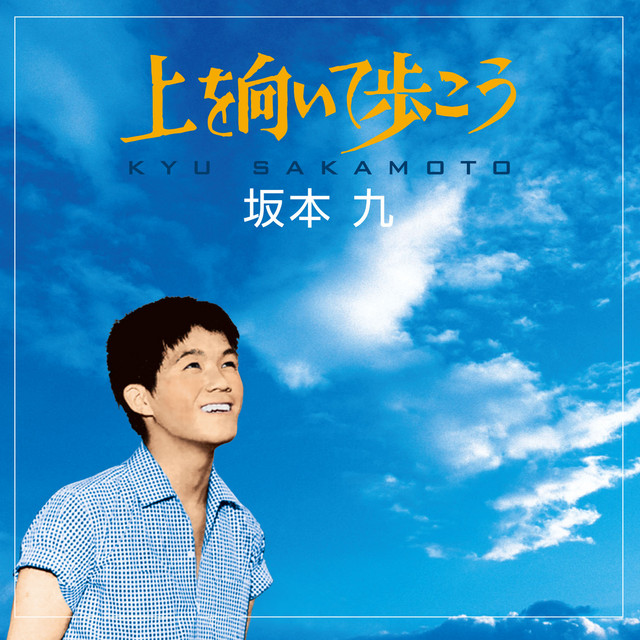
Although Japanese artists have produced quite a variety of quality music, only one Japanese song can claim the honor of rising to the number one spot on the U.S. pop chart. That notable achievement was accomplished in 1963 by the song entitled “Sukiyaki.” The melody of this famous song was composed by Nakamura Hachidai and the lyrics were written by Ei Rokusuke. However, it was the singer, Sakamoto Kyu, who propelled the song to popular heights within Japan and eventually overseas. His jaunty singing style along with powerful interludes of whistling compelled listeners to join in by humming or tapping their feet in rhythm.

Oddly enough, the commonly accepted Western title, “Sukiyaki,” has absolutely no relevance to the actual lyrics of the song. Sukiyaki is a popular dish consisting of thinly sliced beef and vegetables cooked in a pot on the table. In contrast, the lyrics of the song speak vaguely of a lost love that strikes a responsive chord in the hearts of Japanese. The song testifies of deep personal loss, which accounts for its renewed popularity fifty years later among survivors of the 2011 Great East Japan Earthquake.

The actual Japanese title, “Ue o Muite Arukō” (上を向いて歩こう), means “I Look Up When I Walk.” The lyrics are simple, but penetrating, as seen in the following excerpt:

I look up when I walk,

So that tears won’t fall.

Remembering those spring days,

But I am all alone tonight.

Happiness lies beyond the clouds.

Happiness lies in the shadow of the stars.

Sadness lurks in the shadow of the moon.

The phrase that is sung repeatedly throughout the song is “hitori bochi no yoru,” meaning “I am all alone tonight.” It speaks of a profound sense of loneliness where happiness remains elusive, existing somewhere beyond the clouds or hidden in the shadows of the stars and moon. The melancholic words of someone who has to look up to keep tears from falling are heightened even further if one is aware of the tragic circumstances surrounding the death of the singer Sakamoto Kyu. At the young age of 43, along with 519 other passengers, his life was cut short in a tragic aircraft disaster. Japan Airlines flight 123 slammed into the side of a mountain in Gunma Prefecture on August 12, 1963, making it the deadliest single crash in aviation history.

Almost everyone aspires to achieve happiness, but this pursuit often ends with disappointment when it proves to be unobtainable. Ei Rokusuke, the author of the lyrics to Sukiyaki, actually penned the words to the song following his disappointment over the failed outcome of the 1960 protests of the U.S./Japan Security Treaty. This one incident verified that happiness can indeed be stymied by any number of blocked goals and easily lead to heartache and sadness. Happiness is understandably a longing of the human heart, but as the author of Ecclesiastes reminds us (3:12), it is a heavenly gift from God that can only be obtained as we look up to Him while walking on this earth. In contrast to the words of Sukiyaki, we are surely not alone.

You can listen to Sukiyaki at: https://www.youtube.com/watch?v=C35DrtPlUbc  Feel free to whistle along.

Presentation vs. Palate

“On the outside you appear to people as righteous but on the inside you are full of hypocrisy and wickedness.”  Matthew 23:28

Presentation-Palate

The slice of cake carefully set before us by our kind hostess looked exquisite. It was decorated with luscious, flawless strawberries and topped with artfully applied whipped cream on a precisely cut piece of cake displayed on beautiful china. My wife and I felt like royalty as we gazed upon the delicacy offered for our consumption. “This is going to be amazing,” I thought to myself as I eagerly took my first bite. However, I soon discovered that the taste did not quite match the anticipation. While it was tasty, the edible artwork before me served as evidence that presentation often takes precedence over palate in Japan.

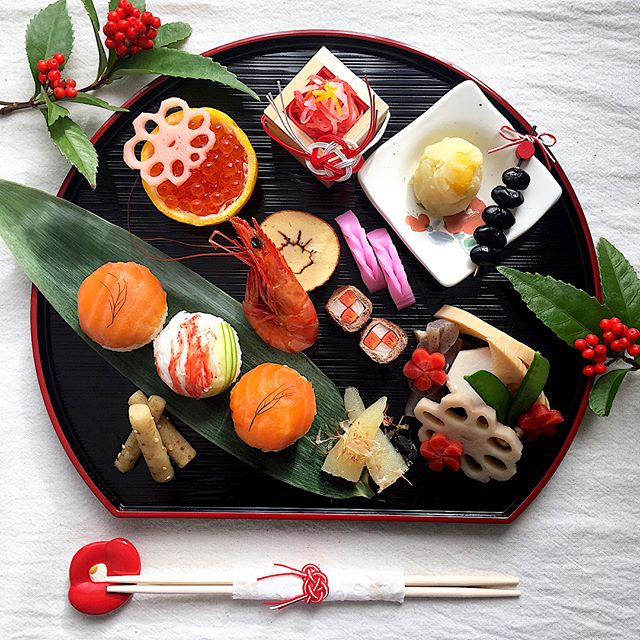
Food presentation, known as moritsuke (盛り付け) in Japanese, means literally “arrangement of food on a dish.” The objective is to engage the aesthetic senses of the diner and draw them in, much like someone admiring a work of art. In the Western world, this is often referred to as “plating,” where the symmetry of food on a plate is the primary focus in meal presentation. However, in Japan, moritsuke points to portions of a meal artfully placed in a variety of dishes and embellished with decorative garnishing. These presentations often have a seasonal theme and the decorations, known as mukimono, are typically intricate creations of flowers, animals, fish or dragons carved from various vegetables and fruits that are not necessarily intended to be eaten, but exist as one aspect of the overall culinary picture.

This emphasis on the appearance of food is most often evident in the display of sushi and sashimi in the more extravagant Japanese meals that serve to make one’s dining experience a memorable occasion. The Japanese language certainly has words to cover a whole range of tastes such as sweet (amai), spicy (karai), bitter (nigai), sour (suppai) and salty (shoppai), but the appearance of food is also an important element in food preparation. After a few months of living in Japan, we started to wonder how the vegetables and fruits for sale in the stores always seemed to be perfectly shaped and colored. This mystery was solved one day when we discovered a number of misshapen, but perfectly good potatoes being sold by a local farmer for a pittance of their normal value as they could not sell them in the open market. Appearance is valued in all stages of the food preparation process.

Focus on appearance is not necessarily a bad thing, and in fact, we routinely give a great deal of attention to image over substance in a number of areas. This focus on image can be seen in the clothing we wear, the manner in which we style our hair, the diets or exercise we endure to achieve a certain body shape, the material goods we accumulate or the manner in which we communicate. We want to look good in front of others and consequently, we devote a considerable amount of time, effort and resources to that end.

But how we appear before God, who sees beyond external trappings, should compel us to examine ourselves so that we might live lives guided by a higher standard, a heavenly standard. Jesus saved his harshest criticisms for the religious leaders because they valued rules over people, physical practices over spiritual presence and religion over relationship. He compared them to whitewashed tombs full of decay or dirty dishes that had only been cleaned on the outside. (Matthew 23) Hypocrisy may be rampant in the world around us, but heavenly moritsuke calls for aligning our lives with the heart of God who is not distracted or deceived by appearances. In the spiritual realm, presentation should never take precedence over palate.

When Yes Means No

“our message to you is not ‘Yes’ and ‘No.’” II Corinthians 1:18b

YesNo2Still a stranger to the unique ways of Japan, I visited the largest ski shop in Sapporo, completely unaware of the rabbit hole I was about to enter. It all began with a simple question: “Do you have any men’s ski boots in size 29 centimeters under ¥20,000?” (around $200) Much to my surprise and satisfaction, the salesman immediately replied “hai,” which I understood to mean, “yes.” I was then instructed to sit down while he disappeared in the back to retrieve the boots.


A few minutes later the salesman emerged triumphantly bearing a nice pair of men’s boots in the correct size, so I started to quietly congratulate myself on my successful shopping foray. But my premature celebration came to a screeching halt when I noticed the price tag dangling from one of the boots: ¥85,000! After catching my breath, I reminded the salesman of my meager ¥20,000 budget. Seemingly nonplussed by my intransigence, he proudly told me that they were willing to make the boots available at a special price of only ¥70,000. After a few more enquiries and direct negotiation with the manager, I soon learned that this was the ONLY pair of men’s ski boots the store had in my size. I was now trapped in a quasi life and death struggle as the bargaining continued. The price soon dropped to ¥60,000, and then ¥50,000 as I kept politely insisting that I only had ¥20,000 for the purchase. The store personnel probably thought this was a clever bargaining ploy on my part and didn’t fully grasp that I actually had only ¥20,000 for the purchase. By now I was just looking for an avenue to escape my predicament as all the salesmen repeatedly huddled together to discuss their strategy. Approximately one hour later and exhausted by the experience, I eventually walked out the front door with my new pair of ski boots purchased for only ¥20,000. I was completely befuddled as to what had transpired inside.

First of all, hai can simply mean “I hear you,” or “I acknowledge what you said.” So, the salesman never actually promised that the store had what I was looking for at the price I had requested. Secondly, to complicate things even further, it is considered impolite to tell a customer “no,” implying that they can’t help you. Unknown to me, I had unwittingly placed the store management in an awkward position of being unable to refuse my request. Upon further reflection, I think we all learned something that day as I was possibly the first foreigner to ever shop at their store. As the years went by, I continued to use those boots, which served as a reminder that “yes” can sometimes mean “no” and that I had much to learn about communication in Japan.

I seriously doubt that the Apostle Paul ever tried to purchase ski boots and was faced with a similar quandary, but he was charged on one occasion of inconsistency in his messaging. It appeared that his “yes” and “no” were in contradiction with one another as Paul had previously stated his intention to visit the Corinthian church on his way to Macedonia (II Corinthians 1). However, for reasons not stated, Paul was forced to cancel those plans which led to unfair criticisms of his character. After rebuffing these somewhat trivial arguments in his letter to the Corinthian Church, Paul used this theme to emphasize the surety of the promises of God in Christ. “For no matter how many promises God has made, they are ‘Yes’ in Christ.” (v.20) This is a great reminder that there can be confusion among people in communication, and there may even be confusion regarding one’s character, but God’s message and His plan of redemption through His Son are unequivocally clear. God’s “yes” in Christ is an eternal game changer for all who believe.

Practice, Practice, Practice

 “This has been my practice: I obey your precepts.”  Psalm 119:56

Practice3

The teachers and parents at the local Japanese elementary school are hoping to pull off a flawless annual sports day. What do they consider to be the critical factor for success? Practice rehearsals!  The government wants to educate the public on proper responses to future possible disasters. Their solution? Practice drills! The university graduation ceremony is coming up in a few weeks so what is the number one focus for all the participants? Practice walk-throughs!

In a land that admirably strives for perfection, it often seems that the one-word solution to success for every endeavor is “practice.” While practice is certainly an important element in achieving anything of note, the Japanese seem to go beyond merely tolerating its necessity to the point of actually embracing it. This hyper focus on practice is readily apparent in almost all levels of Japanese society, ranging from business, athletics, hobbies, music, trade skills and ceremonial events. The Japanese word “renshū” (練習) is the most frequently used term to capture this idea of practice combining the actions of “repetition” and “learn.” It is believed that a particular skill or behavior learned through repetition fosters refinement in technique and, presumably, produces improved results. This emphasis on practice explains why an aspiring young sushi chef will unquestionably labor for five years as a lowly apprentice before being entrusted with the seemingly simple task of preparing the sushi rice. The same concept applies to a junior high student who joins the school badminton club, but has to practice their swing for several weeks before being introduced to an actual racquet.

Perhaps this value of renshū is best illustrated by the life of the famous baseball player, Ichiro Suzuki, who set a number of records in the Major Leagues after he was traded from Japan. From the age of seven, rain or shine, Ichiro’s father enforced a daily, rigorous practice routine on him that included throwing 50 pitches, hitting 200 live pitches, fielding 100 balls and hitting 300 pitches from a machine. As Ichiro got older, this daily regimen began to include hurling car tires and hitting wiffleballs with a heavy shovel to increase his strength. Renshū certainly accounted for a large portion of Ichiro’s success as a baseball player, but he later admitted it came at a heavy price.

Practice can certainly have its onerous aspects, even when not taken to extremes, but it is usually a necessary component to success in any meaningful endeavor. One obviously, does not become a skilled musician, chef or athlete without the investment of many hours into polishing their craft. Renshū at its very heart, usually has this worthy objective in mind, but sometimes it is obscured by the oppressive daily grind that typically accompanies such practice patterns.

In the Bible, many uses of the term “practice” have an extremely negative connotation. On numerous occasions the practices of God’s people are described as “detestable;” other negative adjectives like “evil,” “unclean,” “worthless” or “corrupt” are also commonly juxtaposed with the term. However, to do the opposite and live in obedience to God, David testifies to the importance of a positive form of practice in Psalm 119:56. Even Jesus declared the importance of this kind of renshū if our objective is to live lives worthy of God. “But everyone who hears these words of mine and puts them into practice is like a wise man who built his house on the rock.” (Matthew 7:24) However, at the same time, we must never forget that while practice cannot make us perfect, the Cross redeems all our imperfections and failures.

Indebtedness

“And forgive us our debts, as we also have forgiven our debtors.”  Matthew 6:12

Debt2   Christmas was drawing near and as newcomers to our neighborhood, we thought it would be a nice gesture to take a gift of homemade Christmas cookies to each of our neighbors. We should have known better. Within hours of dispensing our holiday goodies, our doorbell started ringing. It was payback time. Through our unsolicited gifts, we had unintentionally obligated our neighbors to correspond in kind. Therefore, several of them responded to our meager gift by reciprocating with something of equal value. In Japan, no one wants to be put in the awkward position of indebtedness to someone else.

After many years of living in Japan, we were well aware of this value, but we didn’t think the rule would apply to a half dozen home made cookies that cost us almost nothing to produce. Instead, my wife’s cookies were received as works of art that were created through great personal sacrifice, so the principle of “kaesu” kicked in and each recipient felt indebted to match our gesture. Kaesu (返す) means literally “to return” or “give something back” to another person as there are other words that express the related concept of simply putting something back in place. In many cases, kaesu also has the underlying meaning of repaying a debt when you give something to return a favor.

Kaesu is a powerful force in Japan and accounts for much of the gift giving that is grounded more in the complex motives of obligation and duty, rather than uncomplicated generosity. The act of kaesu relieves one of lingering too long in the undesired position of being indebted to another person and serves to restores equilibrium in the relationship. This concept was vividly made real to me when I stopped one day to assist a woman who had been in a traffic accident and was desperately trying to retrieve her dog despite her own injuries. She profusely thanked me for my efforts and then I resumed my travel once the police and ambulance arrived. Less than 24 hours later, a package was delivered to our doorstep which contained some expensive cookies and a note of appreciation sent from the hospital. That was kaesu in action and a good reminder of the need for wisdom in walking the very fine line of genuinely helping people without unnecessarily placing the heavy burden of kaesu upon them. Sometimes this is unavoidable, but it is good to think through the possible repercussions of our well-intended actions.

Although the concept of indebtedness manifests itself differently from culture to culture, as a general principle, no one likes the idea of owing something to someone else for an extended period of time. Debts of both a financial nature and other forms can become a heavy burden that have the potential to harm relationships and restrict freedom. The most serious form of debt, though, is to sin against another person and God Himself. There is no simple kaesu in any culture for these kinds of deficits or transgressions. We may seek forgiveness of these debts through various means, but in the end, mercy plays a critical role in any such transaction. We certainly cannot easily erase our own personal debts and sins, but we have the power to offer forgiveness to others if we are so inclined. That is why Jesus taught His disciples to pray: “forgive us our debts, as we also have forgiven our debtors.” (Matthew 6:12) This act is a much higher form of kaesu, where something of much greater value is given without merit or any expectation of reciprocation. In any culture, that is called grace.