
Broken Pieces

Yet you, Lord, are our Father. We are the clay, you are the potter; we are all the work of your hand.”                                                                                                                          Isaiah 64:8

kintsugi

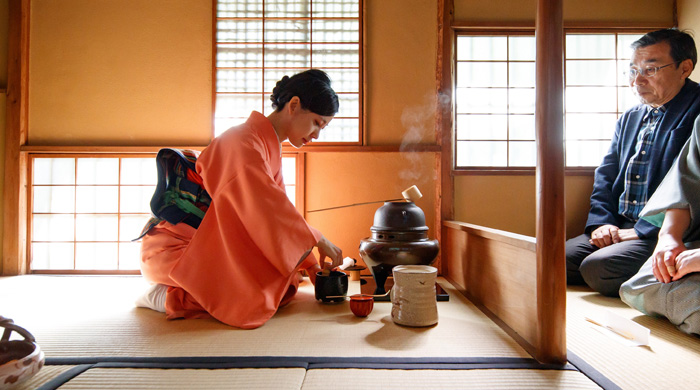
We often hear the phrase “beauty is in the eyes of the beholder.” This statement is certainly a valid assumption with regard to individual appraisals, but it is also true on a cultural level. A clear example of this concept can be seen in the unique Japanese pottery technique known as kintsugi (金継ぎ), which means “joining with gold.” Unlike normal pottery creations that strive for perfection and uniformity, kintsugi begins with brokenness. This ancient artform centers on joining broken pottery pieces together using a special lacquer-based glue mixed with powdered gold. The intended overall effect is to enhance the aesthetic appeal of the object despite its obvious repairs.

Kintsugi is a deliberate form of flawed beauty which captures the ancient Japanese aesthetic principle known as wabi-sabi, where the values of imperfection, transience and incompleteness are integral elements in artistic creation. For example, Japanese flower arrangements (ikebana), gardens, paintings and tea ceremonies often incorporate these rather unusual qualities.

The art of kintsugi serves as a visual reminder that we can turn life’s adversities and brokenness into something that is beautiful and resilient. Rather than attempting to hide or disguise damage, repairs are purposefully highlighted in this special artform. As such, kintsugi is a powerful object lesson that exhorts us to embrace our imperfections and find solace that our wounds, whatever they may be, can serve a worthwhile purpose. God can take broken people and broken plans to accomplish His perfect and eternal objectives.

A prime example of this is the captivating story portrayed in the Book of Esther. The events described in this brief book take place after the golden age of King Solomon had faded to a distant memory. The magnificent temple of God and Jerusalem have both been reduced to rubble and God’s people are enslaved in the foreign land of Persia. While this powerful story has many unexpected twists and turns as the plot unfolds, it shines a spotlight on God and His divine purposes without ever mentioning His name. It is a compelling tale of redemption, where God takes a broken people and restores them to prominence among the nations through a series of very unusual but exciting events. In this story a commoner named Esther becomes queen and her Jewish protector, Mordecai, is unexpectedly elevated to a position of authority second only to the king himself. “For such a time as this” (Esther 4:14), a young woman was sovereignly used by God to repair the fortunes of a shattered people to demonstrate to the surrounding nations God’s incredible handiwork of mercy and power. Like the art of kintsugi, God redeems what is broken and makes it even more beautiful in a fallen world.

It is good to recall that God is engaged in the business of redeeming people as broken objects and re-creating them as vessels of grace and beauty for His eternal purposes. “For such a time as this,” God reassembles the fragmented parts of our lives in ways unimaginable and often unseen, in order to bestow His unmerited blessings upon a needy world. Beauty is indeed in the eyes of the beholder and by the grace of God it comes from our broken pieces. As the master potter, God does all the work and He gets all the glory.

Haiku

“My heart is stirred by a noble theme as I recite my verses for the king; my tongue is the pen of a skillful writer.”      Psalm 45:1

haiku

Haiku (俳句) is Japan’s unique contribution to the many forms of poetic expression that writers traditionally use to convey creative thoughts. A haiku is a very simple style of poetry that aims to simply, but elegantly, capture a brief moment in time juxtaposing two different images. The overarching theme typically includes an element of nature as part of the cumulative objective to offer a sense of enlightenment to the reader.

A haiku consists of only three lines and a total of 17 syllables. The first and third lines are restricted to five syllables each and the middle line expands to seven syllables. Unlike many other forms of poetry, there is no rhyming in haiku as the primary goal is to use a minimum of words to evoke an impression of mystique, beauty or surprise. The Japanese haiku finds its historical roots in tanka poetry, which means “short song,” and consisted of 31 syllables. The great poet Matsuo Bashō (1644-1694) is considered to be the originator of the current haiku form. The following is a famous example of his work:

              An old silent pond

              A frog jumps into the pond—

              Splash! Silence again.

Besides its unique format, there are two additional elements that define a traditional Japanese haiku. One of these is called a kireji (切字), which means literally a “cutting word” and has no equivalent in English grammar. Such words serve to create a dramatic break or pause within the poem, adding structural support and balance. The second element, also introduced by the poet Bashō, is the inclusion of kigo (季語), or what roughly translates to a “season word.” All haiku include a seasonal phrase or word that serves to pull the diverse strands of the poem together. What follows is my amateur efforts at penning a haiku that succinctly depicts my diverse life:

              Dry Texas cacti

              Delicate cherry blossoms

              My home in this world

The Bible is full of poetry and poetic expressions that attempt to describe the unseen within the confines of our literal existence and human understanding. Whole books such as Job, Psalms, Proverbs, Ecclesiastes, Song of Solomon and Lamentations are largely poetic in content and comprise almost a third of the entire Old Testament when poetic portions from other books are included. God’s communication with man is often conveyed in poetic terms and countless biblical characters respond through songs employing metaphorical language to describe His deeds and relationship with man.

Complex and deeper patterns of communication seem almost necessary when the spiritual world and physical world intersect with one another. This explains why the poetic images and language centered on the shepherd motif in Psalm 23 can deeply penetrate our hearts and consciousness, enabling us to better grasp eternal truths. Poetry serves to elevate communication to a higher level when one’s “heart is stirred by a noble theme.” (Psalm 45:1) Common words and communication patterns seem grossly inadequate when speaking of the splendor of God or addressing God Himself.

Cosplay

“Clothe yourselves with compassion, kindness, humility, gentleness and patience.” Colossians 3:12b

Cosplay

Although we had been told what to expect as we ventured into the fashionable Harajuku district of Tokyo, what we saw still caught us by surprise. As we waded through the crowds of shoppers, onlookers and performers on a pleasant Sunday afternoon, a veritable ocean of color and unparalleled array of fashion styles pummeled our senses. In particular, the popularity of cosplay was on display wherever our eyes wandered, which added to the gaiety of the general atmosphere. Now a world-wide phenomenon, the modern-day custom of cosplay can be traced back to Japan where the term was initially coined. It first appeared in an article by Nobuyuki Takahashi, after he participated in a science fiction convention accompanied by many costumed fans. In an attempt to verbally capture what he had witnessed, Takahashi took the two English words “costume” and “play” and amalgamated them to form a new Japanese word: “cosplay.” That unique term quickly caught on and is now commonly used for the act of dressing up to resemble famous characters from popular anime, manga, movies, video games and TV shows.

Many cosplay fans create their own costumes as they attempt to capture the appearance of a particular character. As part of the outfit, cosplay participants often try to emulate their chosen character’s persona and behavior. Social interaction between cosplay aficionados steadily increased and created a subculture that dominates certain locales and is promulgated through social media. The cosplay world has now mushroomed to such an extent that fans from around the world often participate in major conventions or events where they are judged by celebrity panels. Winners are chosen according to the craftmanship of their costume, accuracy, presentation and audience appeal.

Many cosplayers utilize a type of body suit as the base of their costume which is referred to as a “kigurumi” (着ぐるみ) which means literally “to wear a stuffed animal.”  Animegao (アニメ顔 or “anime face”), which refers to a mask that replicates the face of the character the participant is trying to portray, is becoming increasingly popular within the cosplay world. The more elaborate costumes can be quite expensive and demand a tremendous amount of skill to produce. The increasing popularity of cosplay has given rise to numerous business ventures to meet ever-growing demands and is said to generate over a quarter billion dollars in revenue per year in Japan.

From the dawn of time, clothing has been considered an essential human need, but clothing styles, colors and fabrics are constantly changing in accordance with cultural and generational preferences. However, there is another form of “clothing” that should always be the focal point of our wardrobe choices. The Apostle Paul urged the followers of Jesus to “Clothe yourselves with compassion, kindness, humility, gentleness and patience.” (Colossians 3:12b) He uses this metaphor in an even broader sense in Romans 13:14 where new believers are instructed to “Clothe yourselves with the Lord Jesus Christ.” This powerful imagery captures the thought that the virtues of our Savior should be the same qualities others will hopefully see in us. Just as cosplay fans try to emulate not just the appearance, but also the persona of their favorite character, our goal should be to reflect Jesus in all we say, think and do. But this is not a form of cosplay that we can manufacture or duplicate through our own efforts and God is ultimately the only Judge in such matters. He is also the only one who can truly remove our filthy rags of sinfulness through the cross and clothe us with His righteousness. That is our eternal garment.

Bentō Boxes

“In vain you rise early and stay up late, toiling for food to eat…” Psalm 127:2a

Bento box

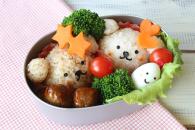
My generation has made its fair share of contributions to American culture and one of these was the advancement in lunchbox décor. With the invention of the television, the bland monochromatic colors of previous lunchboxes gave way to colorful depictions of popular TV shows and cartoons. For example, I vividly recall my Lone Ranger box accompanying me to the school lunchroom everyday where it competed with the Jetsons, Davy Crockett, Superman, Yogi Bear and a host of other beloved characters portrayed on other kids’ lunchboxes. However, the boring contents of my lunch, which consisted primarily of a PBJ or a bologna sandwich, some carrot sticks, an apple and a thermos of milk remained relatively unchanged. Unknown to me at that time, on the other side of the world, the Japanese had already developed a separate lunch box culture centuries earlier. It was called an obentō.

An obentō is an individual-sized portion and well-balanced meal designed for easy transport and consumption. It consists of a starch such as rice or noodles, a protein (meat, fish), some kind of vegetable and, often, a fruit side dish. It traditionally includes a set of chopsticks and comes in both disposable or reusable containers that are divided into smaller compartments. The more durable boxes are sold in many forms ranging from expensive hand-crafted lacquerware to plastic cutesy boxes in the shape of trains or a favorite anime character. The actual term, bentō (弁当), is derived from the Japanese word for “convenient” and is often prefaced with an “o” used in honorific speech patterns.

These Japanese lunch boxes are sold throughout Japan in convenience stores, train stations, grocery stores and specialty bentō shops. The general cost of a bentō is often less than US $5, but there are pricier versions that include more expensive or larger amounts of food. Japanese wives and mothers are generally responsible for preparing their children’s or husband’s bentō, which is a task they take quite seriously. Among mothers, there is an unspoken competition in designing and creating a visually attractive and nutritious meal. The ingredients are often prepared the night before and then assembled in the morning. Great care is given to include certain color combinations and many mothers take the extra time to shape and decorate food to resemble people, flowers, animals or favorite cartoon characters to the delight of their children. In Japan, the contents of a child’s lunch box, fair or not, is often viewed as a reflection of their parental care, which can put considerable pressure on some mothers who are overly preoccupied with such expectations.

As an adult, I now better appreciate my mother’s selfless labor in preparing my lunch every day, but I don’t think she put the same amount of effort into it as we witnessed in Japan. Preparing lunches is one thing, but the pressure to daily provide and prepare food for one’s family is no small feat that is a challenge in every culture. However, there is an important perspective that should be kept in mind in the midst of such responsibilities. That being, God is the ultimate provider for whatever is placed upon our table, cooked on our stove, stored in our pantry, cooled in our refrigerator or packed away in a lunch box.

Feasting is a common motif in the Bible and it is often used to describe intimate and joyous fellowship with God who provides all that we need as represented by the abundance of the banquet He spreads before us (Isaiah 25:6). We labor and strive for such things on earth, and in so doing, we are foolishly tempted to think we alone are responsible for such matters. But He who faithfully provided manna for His people in the wilderness calls us to seek His kingdom above all else because He shall provide for our needs (Matthew 6:33). You may have the best obentō before you, but an eternal feast awaits us.

The Value of Cuteness

“Your beauty should not come from outward adornment.”  I Peter 3:3a

Kawaii

Although we all seem to intuitively grasp the subtle difference in nuance between “cute” and “beautiful,” it is actually a concept that is quite difficult to explain. Japan certainly has a deep appreciation of beauty, which is demonstrated in the diverse mediums of music, traditional arts, cultural ceremonies, fashion, nature and personal physical appearances. But when the idea of cuteness is closely examined, it seems to lurk somewhere else on the spectrum of beauty, including other components that sets it apart as a slightly different value. This vague quality referred to as “cuteness” is highly treasured in Japan and drives many current cultural trends.

Known as “kawaii” (かわいい or 可愛い), this popularly used word is typically translated as “cute,” “loveable” or “adorable.” One often hears excited exclamations of “kawaii!” uttered by giddy young girls in an exaggerated inflection to describe a variety of objects, mannerisms and people. Kawaii has rapidly become one of the most overused words in the Japanese language and it should not be confused with similar sounding terms “kowai” (scary) or “kawaisō” (pitiable) which can lead to some humorous but humiliating language mistakes.

Kawaii comes in many forms in Japan. For example, there are cute forms of handwriting that many girls try to emulate. There is a plethora of kawaii merchandise on sale everywhere often featuring cute anime characters that are typically accompanied by hearts, flowers or rainbows. Cute pop idols seem to appear and disappear overnight, sporting kawaii fashion styles and employing cutesy mannerisms that are soon mimicked by their adoring fans. Kawaii mascots seem to be omnipresent, decorating planes, station platforms, businesses, post offices and other public places. Following this trend, each prefecture in Japan has developed and marketed its own cute mascot to promote tourism in their respective area. This cuteness phenomenon has spread to such an extent that many sociologists claim that kawaii has overtaken the traditional values of beauty and refinement in Japan. Others say that kawaii has even pushed aside some of the more violent elements in Japanese society and serves as a visible indicator of Japan’s steady drift towards a more pacifist national psyche.

Such sweeping generalizations are quite difficult to quantify, but the recent value of kawaii, now firmly embedded in Japanese culture, provides a form of evidence of the younger generation’s unhealthy preoccupation with seemingly shallow and temporal matters. Of course, this tendency to get things out of balance as to how one perceives people or things is certainly not unique to Japan. How we define and value beauty takes many forms around the world and the popularity of kawaii is just one example in how our priorities can become easily skewed.

This is where the concept of beauty seems to take on a different value that requires a closer inspection and a greater appreciation. Genuine beauty delves below the surface to deeper qualities that Peter hints at when he advises wives that their “beauty should not come from outward adornment.” (I Peter 3:3a) Beauty is certainly a sought-after quality, but it seems to have different layers to it, with some being eternal in nature while others are merely temporal. This contrast indicates that we may be tempted to focus on external elements like makeup, fashion, hairstyle or physical attributes as essential components of beauty, but godly character, actions and attitudes comprise the true essence of real beauty that God Himself treasures. That kind of beauty lasts forever, long after cuteness will be forgotten.

Presentation vs. Palate

“On the outside you appear to people as righteous but on the inside you are full of hypocrisy and wickedness.”  Matthew 23:28

Presentation-Palate

The slice of cake carefully set before us by our kind hostess looked exquisite. It was decorated with luscious, flawless strawberries and topped with artfully applied whipped cream on a precisely cut piece of cake displayed on beautiful china. My wife and I felt like royalty as we gazed upon the delicacy offered for our consumption. “This is going to be amazing,” I thought to myself as I eagerly took my first bite. However, I soon discovered that the taste did not quite match the anticipation. While it was tasty, the edible artwork before me served as evidence that presentation often takes precedence over palate in Japan.

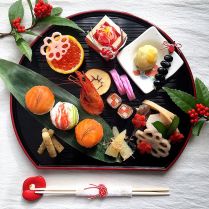
Food presentation, known as moritsuke (盛り付け) in Japanese, means literally “arrangement of food on a dish.” The objective is to engage the aesthetic senses of the diner and draw them in, much like someone admiring a work of art. In the Western world, this is often referred to as “plating,” where the symmetry of food on a plate is the primary focus in meal presentation. However, in Japan, moritsuke points to portions of a meal artfully placed in a variety of dishes and embellished with decorative garnishing. These presentations often have a seasonal theme and the decorations, known as mukimono, are typically intricate creations of flowers, animals, fish or dragons carved from various vegetables and fruits that are not necessarily intended to be eaten, but exist as one aspect of the overall culinary picture.

This emphasis on the appearance of food is most often evident in the display of sushi and sashimi in the more extravagant Japanese meals that serve to make one’s dining experience a memorable occasion. The Japanese language certainly has words to cover a whole range of tastes such as sweet (amai), spicy (karai), bitter (nigai), sour (suppai) and salty (shoppai), but the appearance of food is also an important element in food preparation. After a few months of living in Japan, we started to wonder how the vegetables and fruits for sale in the stores always seemed to be perfectly shaped and colored. This mystery was solved one day when we discovered a number of misshapen, but perfectly good potatoes being sold by a local farmer for a pittance of their normal value as they could not sell them in the open market. Appearance is valued in all stages of the food preparation process.

Focus on appearance is not necessarily a bad thing, and in fact, we routinely give a great deal of attention to image over substance in a number of areas. This focus on image can be seen in the clothing we wear, the manner in which we style our hair, the diets or exercise we endure to achieve a certain body shape, the material goods we accumulate or the manner in which we communicate. We want to look good in front of others and consequently, we devote a considerable amount of time, effort and resources to that end.

But how we appear before God, who sees beyond external trappings, should compel us to examine ourselves so that we might live lives guided by a higher standard, a heavenly standard. Jesus saved his harshest criticisms for the religious leaders because they valued rules over people, physical practices over spiritual presence and religion over relationship. He compared them to whitewashed tombs full of decay or dirty dishes that had only been cleaned on the outside. (Matthew 23) Hypocrisy may be rampant in the world around us, but heavenly moritsuke calls for aligning our lives with the heart of God who is not distracted or deceived by appearances. In the spiritual realm, presentation should never take precedence over palate.

Kimonos

you are clothed with splendor and majesty.” Psalm 104:1b

kimonos

We hadn’t been in Japan long when I summoned up my courage and ventured forth to find a suitable birthday present for my wife. Shopping is not one of my favorite activities, but I was rather pleased with my eventual purchase: a stylish yukata. A yukata is an informal (and inexpensive) kimono, consisting of a single layer of cloth that is usually made from cotton. It is particularly popular among young women on festive occasions during the warmer months of the year. Being new to Japan, I thought a yukata would make an excellent gift for my wife, but we were both surprised when she opened her present. The item was advertised as a yukata, but closer inspection revealed that it was just a bolt of cloth.

A kimono (着物), which means literally a “thing to wear,” is a traditional Japanese wrap around, T-shaped garment with large, square sleeves. Kimonos have disappeared from everyday life in modern Japan, but they are still commonly worn at weddings, funerals, graduations and other formal occasions.  A broad sash, called an “obi,” holds the kimono together at the waist and it is further accessorized by special socks called “tabi” that are worn with “zori” sandals. Kimonos were originally introduced from China into Japan many centuries ago and since then have undergone various transformations to the present form. The formal versions are almost always made from silk and the more expensive kimonos may sell for more than US $50,000. While the usage of this traditional Japanese garment steadily declines, the expensive, colorful cloth of older kimonos is often repurposed for other fashion designs.

As I belatedly discovered at my wife’s birthday, kimonos are usually sold as a single bolt of cloth which is shaped, without cutting, and stitched together by an experienced seamstress to a desired size. In the past, when the garment became dirty, the stitches were removed to clean the kimono and then it would be sewn back together to its original shape or to another size. Patterns and styles of kimonos differ according to the age, gender and marital status of the wearer or the season of the year. Women’s kimonos come in a variety of styles, colors and decorations, whereas men’s kimonos are generally much more subdued, using darker colors with minimal patterns. Those who are inexperienced in wearing a formal kimono may pay a professional to help them correctly put the entire kimono ensemble in place. The left side of the kimono is always wrapped over the right side, except in the case of a funeral, where the deceased’s garment is wrapped right over left.

Appropriate clothing that reflects one’s particular status or a specific occasion is a common topic in the Scriptures. For example, the ornate clothing of royalty or the priesthood is sometimes described in great detail, but the same is true for the garments of the contrite or those in mourning who choose to wear sackcloth as an expression of their grief. The subject of clothing is also frequently used in a figurative sense to describe the majesty of God (Psalm 104:1b) or the spiritually impoverished state of man who is depicted as wearing “filthy rags” before a holy God. (Isaiah 64:6) Sometimes a double and deeper meaning is intended, such as in the case where God clothed Adam and Eve with animal skins following their disobedience (Genesis 3:21). This same God mercifully clothes us with His righteousness (Isaiah 61:10) through the death of His Son. Revelation 3:19 testifies that the people of God will one day be clothed in white but while we linger here on earth, we are exhorted to “clothe yourselves with compassion, kindness, humility, gentleness and patience.” (Colossians 3:12b) This godly fashion will never go out of style.

Dolls Festival

He [Jesus] sacrificed for their sins once for all when he offered himself.”  Hebrews 7:27b

Girls Day2

Every year on March 3rd, countless girls across Japan celebrate Hina Matsuri (ひな祭り) which means literally “doll festival,” but is commonly referred to as “Girls’ Day.” The custom originated in the early 17th century, where usually a red, multi-tiered platform (hina dan) is set up and on it a collection of special dolls (hina ningyō) and related furniture are put on display prior to the hina matsuri. These ornamental dolls are typically clothed in the traditional court dress of the Heian Period (794-1185) and represent the emperor, empress, various court attendants and musicians. The dolls are not intended as items for play and many sets are actually quite expensive with a value of several thousand dollars for the more elaborate versions. Some hina matsuri collections are passed on from one generation to another as treasured heirlooms and are therefore handled with great care.

Hina matsuri is also associated with the initial blooming of peach blossoms in certain parts of Japan with the coming of spring and as such symbolically celebrates the health and happiness of girls within a family. According to custom, immediately following Girls’ Day, these special dolls are supposed to be put away immediately or parents risk inviting the bad luck of a late marriage for their daughter. The city of Konosu hosts the largest display of hina ningyō in Japan every year on a 23-foot (7 meter) pyramid with more than 1,800 exquisite dolls artfully arranged on 31 levels.

Another ceremony often connected with hina matsuri is nagashi bina, which is roughly translated as “doll floating.” Participants in this unusual rite make cheaper versions of the hina dolls from paper or straw and set them adrift on a river, regarding them as a sort of talisman that will remove their sins, impurities and any demonic influences.

The obvious intention of Girls’ Day is to provide families an annual opportunity to celebrate the lives of their girls while wishing for them to have health and happiness. But the older and deeper traditions associated with hina matsuri point to something far more important that is largely ignored in modern celebrations. What is conveniently overlooked is the universal problem of sin and our personal culpability before a Holy and Righteous God. While all parents understandably seek health and happiness for their children in this temporary world, there is nothing they can do to eradicate the eternal consequences of the sins and misdeeds of themselves and their children in the world to come. Recognizing this problem, previous generations of Japanese set dolls afloat on nearby rivers in a vain attempt to purge them and their loved ones of personal guilt. But such shallow efforts, no matter how well intended they may be, sunk ineffectively in deep waters along with the dolls as they drifted downstream. Another, more effective solution than floating dolls was needed and God Himself has provided the perfect substitute for our sins in the form of His Son. The author of Hebrews succinctly describes this amazing provision when he writes, “He [Jesus] sacrificed for their sins once for all when he offered himself.” (7:27b) This substitute is indeed an amazing treasure, not to be put on a shelf and casually admired, but to be fully embraced and celebrated daily. 

Hidden Art

“As the heavens are higher than the earth, so are my ways higher than your ways and my thoughts than your thoughts.” Isaiah 55:9

rice paddy art

The gathered crowd responded with amazement when they reached the top of the viewing platform and looked down. Once formerly hidden from their view on ground level, everyone could now see a massive work of art beautifully laid out in the midst of what initially appeared to be an ordinary rice paddy. As the spectators gazed with wonder, they were dutifully informed that in previous months, local farmers, townspeople and students had worked hard to produce the masterpiece now spread before them based on that year’s chosen theme. A simple rice paddy had become an art canvas and it pulled in thousands of visitors every year to this small rural village.

Rice field art, known as “tambo art” in Japanese, was initiated in 1993 by the villagers of Inakadate, located in Aomori Prefecture, as a means to revitalize their local economy by attracting tourists. Using rice seedlings of varying color in a designated rice field, the town folk have created incredible pictures which evolved in scale and complexity as their skills steadily improved with each passing year. Themes from past productions represent a wide variety of genres, ranging from Japanese folklore characters, iconic places, famous people and popular movies. The artwork can only be seen from an elevated observation deck cleverly constructed to imitate a castle tower. Every year over 100,000 visitors travel off the beaten pathway to take in this unusual sight.

Unless the artwork is pointed out to them, out of town travelers passing by on nearby roads are oblivious to its existence as the pictures can only be seen from a higher perspective. In the spiritual realm, the same is true in everyday life as events can easily pass by on a seemingly endless continuum where one seldom catches a glimpse of their possible eternal significance. As flesh and blood creatures, our perspective is often limited to what we can actually see and experience in the world around us, but the Creator of the Universe knows no such limitations. His ways, purposes and actions may remain hidden from our sight, but we are promised that one day, equipped with a heavenly perspective, all these things will be revealed to us. Until we ascend that elevated platform where we gain a better view, we are called to live by faith, trusting God’s masterful handiwork in the midst of what we do not presently understand.

Go to the link Japanese Rice Paddy Art to learn more about the phenomenon of tambo art and be sure to check out the embedded video for a short history lesson.