
Judo

“Learn from me, for I am gentle and humble in heart” Matthew 11:29

Many popular activities trace their origin to Japanese culture which is certainly true of jῡdō. This well-known martial arts sport was established as recently as 1882 by Jigorō Kanō, a Japanese educator and athlete. Often referred to as the “Father of Jῡdō,” Kanō incorporated various ancient self-defense techniques to create the present form of jῡdō which is now standardized throughout the world. He also coined the term jῡdō (柔道) for his new sport, which means “gentle way” because instead of employing weapons in combat, jῡdō is centered on using an opponent’s strength as a tactical advantage. The basic object of a jῡdō practitioner is to throw an opponent to the ground or subdue them through various grappling techniques. The inclusion of the Chinese character 道, normally translated as “way” or “road,” indicates a deeper philosophical nuance of the sport where the participant focuses not just on improvement in athletic skills but also on mental, emotional and moral growth. This holistic approach to training has obvious appeal to the Japanese psyche and accounts for the sport’s rapid growth and popularity in Japan. 

Jῡdō eventually became an Olympic sport in 1964. Japan immediately dominated, winning a total of 84 medals following the sport’s inclusion. At the most recent Olympics held in Tokyo, Japan amassed twelve medals in jῡdō, nine of them gold. Jῡdō athletes now traditionally wear a white uniform known as a jūdōgi which was also developed and standardized by Kanō.  

Although Japan still dominates the sport of jῡdō in competition on the world stage, the number of actual participants in the sport in Japan has declined precipitously in recent years to such a degree that France has taken the lead on an international level. Japanese children in particular have been dropping out at an alarming rate due to the excessive pressure to win, the frequency of injuries in the sport, and its extremely intense training regimen. Some fear that the sport known for being the “gentle way” of athletic competition has lost its way as the goal of winning at all costs has eclipsed the more subtle values envisioned by its founder.

At first glance it seems to be a contradiction in terms to label a sport that involves the defeat of an opponent as being a “gentle way.” But in comparison to some of the other martial arts that train their acolytes in the use of weapons and teach them to inflict pain, jῡdō does seem to offer a less violent alternative in its techniques and objectives. This description of the sport reminds us that “gentle” is a somewhat relative term and the key to understanding its intended meaning depends significantly on the context.

Jesus’ followers are also called to adopt a gentle way as we are instructed in Ephesians 4:2 to “be completely humble and gentle; be patient, bearing with one another in love.” Obviously, such a challenging mandate has nothing to do with combat procedures but rather, points to a lifestyle that should characterize God’s people as they seek to flesh out His heavenly values within earthly relationships. Fortunately, we have a sterling example of what such spiritual combat looks like in Jesus Himself, who beckoned us to “learn from me, for I am gentle and humble in heart.” (Matthew 11:29) There is truly a gentle way for us to master that honors God and accomplishes His eternal purposes.

Haiku

“My heart is stirred by a noble theme as I recite my verses for the king; my tongue is the pen of a skillful writer.”      Psalm 45:1

haiku

Haiku (俳句) is Japan’s unique contribution to the many forms of poetic expression that writers traditionally use to convey creative thoughts. A haiku is a very simple style of poetry that aims to simply, but elegantly, capture a brief moment in time juxtaposing two different images. The overarching theme typically includes an element of nature as part of the cumulative objective to offer a sense of enlightenment to the reader.

A haiku consists of only three lines and a total of 17 syllables. The first and third lines are restricted to five syllables each and the middle line expands to seven syllables. Unlike many other forms of poetry, there is no rhyming in haiku as the primary goal is to use a minimum of words to evoke an impression of mystique, beauty or surprise. The Japanese haiku finds its historical roots in tanka poetry, which means “short song,” and consisted of 31 syllables. The great poet Matsuo Bashō (1644-1694) is considered to be the originator of the current haiku form. The following is a famous example of his work:

              An old silent pond

              A frog jumps into the pond—

              Splash! Silence again.

Besides its unique format, there are two additional elements that define a traditional Japanese haiku. One of these is called a kireji (切字), which means literally a “cutting word” and has no equivalent in English grammar. Such words serve to create a dramatic break or pause within the poem, adding structural support and balance. The second element, also introduced by the poet Bashō, is the inclusion of kigo (季語), or what roughly translates to a “season word.” All haiku include a seasonal phrase or word that serves to pull the diverse strands of the poem together. What follows is my amateur efforts at penning a haiku that succinctly depicts my diverse life:

              Dry Texas cacti

              Delicate cherry blossoms

              My home in this world

The Bible is full of poetry and poetic expressions that attempt to describe the unseen within the confines of our literal existence and human understanding. Whole books such as Job, Psalms, Proverbs, Ecclesiastes, Song of Solomon and Lamentations are largely poetic in content and comprise almost a third of the entire Old Testament when poetic portions from other books are included. God’s communication with man is often conveyed in poetic terms and countless biblical characters respond through songs employing metaphorical language to describe His deeds and relationship with man.

Complex and deeper patterns of communication seem almost necessary when the spiritual world and physical world intersect with one another. This explains why the poetic images and language centered on the shepherd motif in Psalm 23 can deeply penetrate our hearts and consciousness, enabling us to better grasp eternal truths. Poetry serves to elevate communication to a higher level when one’s “heart is stirred by a noble theme.” (Psalm 45:1) Common words and communication patterns seem grossly inadequate when speaking of the splendor of God or addressing God Himself.

Cosplay

“Clothe yourselves with compassion, kindness, humility, gentleness and patience.” Colossians 3:12b

Cosplay

Although we had been told what to expect as we ventured into the fashionable Harajuku district of Tokyo, what we saw still caught us by surprise. As we waded through the crowds of shoppers, onlookers and performers on a pleasant Sunday afternoon, a veritable ocean of color and unparalleled array of fashion styles pummeled our senses. In particular, the popularity of cosplay was on display wherever our eyes wandered, which added to the gaiety of the general atmosphere. Now a world-wide phenomenon, the modern-day custom of cosplay can be traced back to Japan where the term was initially coined. It first appeared in an article by Nobuyuki Takahashi, after he participated in a science fiction convention accompanied by many costumed fans. In an attempt to verbally capture what he had witnessed, Takahashi took the two English words “costume” and “play” and amalgamated them to form a new Japanese word: “cosplay.” That unique term quickly caught on and is now commonly used for the act of dressing up to resemble famous characters from popular anime, manga, movies, video games and TV shows.

Many cosplay fans create their own costumes as they attempt to capture the appearance of a particular character. As part of the outfit, cosplay participants often try to emulate their chosen character’s persona and behavior. Social interaction between cosplay aficionados steadily increased and created a subculture that dominates certain locales and is promulgated through social media. The cosplay world has now mushroomed to such an extent that fans from around the world often participate in major conventions or events where they are judged by celebrity panels. Winners are chosen according to the craftmanship of their costume, accuracy, presentation and audience appeal.

Many cosplayers utilize a type of body suit as the base of their costume which is referred to as a “kigurumi” (着ぐるみ) which means literally “to wear a stuffed animal.”  Animegao (アニメ顔 or “anime face”), which refers to a mask that replicates the face of the character the participant is trying to portray, is becoming increasingly popular within the cosplay world. The more elaborate costumes can be quite expensive and demand a tremendous amount of skill to produce. The increasing popularity of cosplay has given rise to numerous business ventures to meet ever-growing demands and is said to generate over a quarter billion dollars in revenue per year in Japan.

From the dawn of time, clothing has been considered an essential human need, but clothing styles, colors and fabrics are constantly changing in accordance with cultural and generational preferences. However, there is another form of “clothing” that should always be the focal point of our wardrobe choices. The Apostle Paul urged the followers of Jesus to “Clothe yourselves with compassion, kindness, humility, gentleness and patience.” (Colossians 3:12b) He uses this metaphor in an even broader sense in Romans 13:14 where new believers are instructed to “Clothe yourselves with the Lord Jesus Christ.” This powerful imagery captures the thought that the virtues of our Savior should be the same qualities others will hopefully see in us. Just as cosplay fans try to emulate not just the appearance, but also the persona of their favorite character, our goal should be to reflect Jesus in all we say, think and do. But this is not a form of cosplay that we can manufacture or duplicate through our own efforts and God is ultimately the only Judge in such matters. He is also the only one who can truly remove our filthy rags of sinfulness through the cross and clothe us with His righteousness. That is our eternal garment.

The Value of Cuteness

“Your beauty should not come from outward adornment.”  I Peter 3:3a

Kawaii

Although we all seem to intuitively grasp the subtle difference in nuance between “cute” and “beautiful,” it is actually a concept that is quite difficult to explain. Japan certainly has a deep appreciation of beauty, which is demonstrated in the diverse mediums of music, traditional arts, cultural ceremonies, fashion, nature and personal physical appearances. But when the idea of cuteness is closely examined, it seems to lurk somewhere else on the spectrum of beauty, including other components that sets it apart as a slightly different value. This vague quality referred to as “cuteness” is highly treasured in Japan and drives many current cultural trends.

Known as “kawaii” (かわいい or 可愛い), this popularly used word is typically translated as “cute,” “loveable” or “adorable.” One often hears excited exclamations of “kawaii!” uttered by giddy young girls in an exaggerated inflection to describe a variety of objects, mannerisms and people. Kawaii has rapidly become one of the most overused words in the Japanese language and it should not be confused with similar sounding terms “kowai” (scary) or “kawaisō” (pitiable) which can lead to some humorous but humiliating language mistakes.

Kawaii comes in many forms in Japan. For example, there are cute forms of handwriting that many girls try to emulate. There is a plethora of kawaii merchandise on sale everywhere often featuring cute anime characters that are typically accompanied by hearts, flowers or rainbows. Cute pop idols seem to appear and disappear overnight, sporting kawaii fashion styles and employing cutesy mannerisms that are soon mimicked by their adoring fans. Kawaii mascots seem to be omnipresent, decorating planes, station platforms, businesses, post offices and other public places. Following this trend, each prefecture in Japan has developed and marketed its own cute mascot to promote tourism in their respective area. This cuteness phenomenon has spread to such an extent that many sociologists claim that kawaii has overtaken the traditional values of beauty and refinement in Japan. Others say that kawaii has even pushed aside some of the more violent elements in Japanese society and serves as a visible indicator of Japan’s steady drift towards a more pacifist national psyche.

Such sweeping generalizations are quite difficult to quantify, but the recent value of kawaii, now firmly embedded in Japanese culture, provides a form of evidence of the younger generation’s unhealthy preoccupation with seemingly shallow and temporal matters. Of course, this tendency to get things out of balance as to how one perceives people or things is certainly not unique to Japan. How we define and value beauty takes many forms around the world and the popularity of kawaii is just one example in how our priorities can become easily skewed.

This is where the concept of beauty seems to take on a different value that requires a closer inspection and a greater appreciation. Genuine beauty delves below the surface to deeper qualities that Peter hints at when he advises wives that their “beauty should not come from outward adornment.” (I Peter 3:3a) Beauty is certainly a sought-after quality, but it seems to have different layers to it, with some being eternal in nature while others are merely temporal. This contrast indicates that we may be tempted to focus on external elements like makeup, fashion, hairstyle or physical attributes as essential components of beauty, but godly character, actions and attitudes comprise the true essence of real beauty that God Himself treasures. That kind of beauty lasts forever, long after cuteness will be forgotten.

Looking Up

“I know that there is nothing better for people than to be happy and to do good while they live.”    Ecclesiastes 3:12

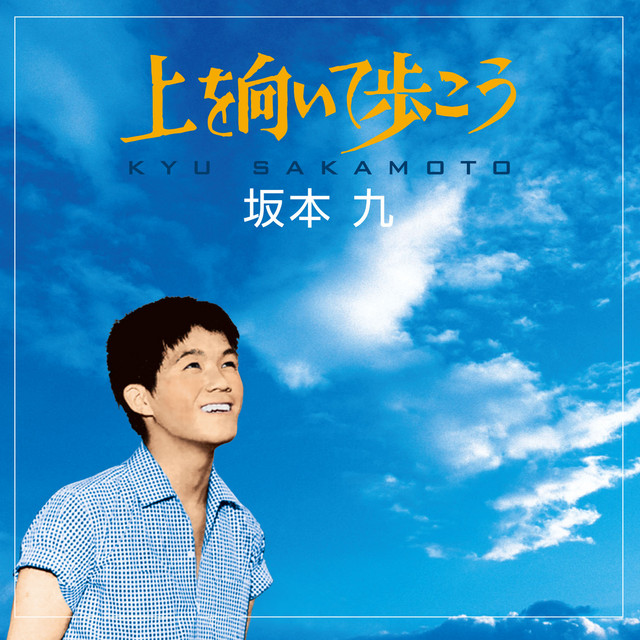
Although Japanese artists have produced quite a variety of quality music, only one Japanese song can claim the honor of rising to the number one spot on the U.S. pop chart. That notable achievement was accomplished in 1963 by the song entitled “Sukiyaki.” The melody of this famous song was composed by Nakamura Hachidai and the lyrics were written by Ei Rokusuke. However, it was the singer, Sakamoto Kyu, who propelled the song to popular heights within Japan and eventually overseas. His jaunty singing style along with powerful interludes of whistling compelled listeners to join in by humming or tapping their feet in rhythm.

Oddly enough, the commonly accepted Western title, “Sukiyaki,” has absolutely no relevance to the actual lyrics of the song. Sukiyaki is a popular dish consisting of thinly sliced beef and vegetables cooked in a pot on the table. In contrast, the lyrics of the song speak vaguely of a lost love that strikes a responsive chord in the hearts of Japanese. The song testifies of deep personal loss, which accounts for its renewed popularity fifty years later among survivors of the 2011 Great East Japan Earthquake.

The actual Japanese title, “Ue o Muite Arukō” (上を向いて歩こう), means “I Look Up When I Walk.” The lyrics are simple, but penetrating, as seen in the following excerpt:

I look up when I walk,

So that tears won’t fall.

Remembering those spring days,

But I am all alone tonight.

Happiness lies beyond the clouds.

Happiness lies in the shadow of the stars.

Sadness lurks in the shadow of the moon.

The phrase that is sung repeatedly throughout the song is “hitori bochi no yoru,” meaning “I am all alone tonight.” It speaks of a profound sense of loneliness where happiness remains elusive, existing somewhere beyond the clouds or hidden in the shadows of the stars and moon. The melancholic words of someone who has to look up to keep tears from falling are heightened even further if one is aware of the tragic circumstances surrounding the death of the singer Sakamoto Kyu. At the young age of 43, along with 519 other passengers, his life was cut short in a tragic aircraft disaster. Japan Airlines flight 123 slammed into the side of a mountain in Gunma Prefecture on August 12, 1963, making it the deadliest single crash in aviation history.

Almost everyone aspires to achieve happiness, but this pursuit often ends with disappointment when it proves to be unobtainable. Ei Rokusuke, the author of the lyrics to Sukiyaki, actually penned the words to the song following his disappointment over the failed outcome of the 1960 protests of the U.S./Japan Security Treaty. This one incident verified that happiness can indeed be stymied by any number of blocked goals and easily lead to heartache and sadness. Happiness is understandably a longing of the human heart, but as the author of Ecclesiastes reminds us (3:12), it is a heavenly gift from God that can only be obtained as we look up to Him while walking on this earth. In contrast to the words of Sukiyaki, we are surely not alone.

You can listen to Sukiyaki at: https://www.youtube.com/watch?v=C35DrtPlUbc  Feel free to whistle along.

Gods on Parade

“No one can reveal it to the king except the gods, and they do not live among humans.” Daniel 2:11b

Osaka,,Japan,-,July,25,2017:,The,Traditional,And,Historical

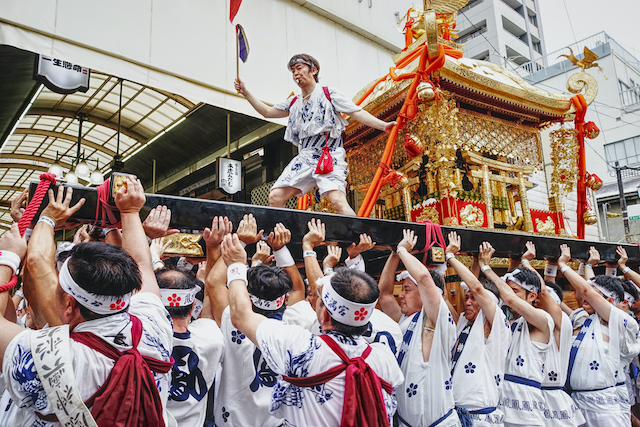
The festival crowd cheered enthusiastically at the sight of the local shrine’s mikoshi as it snaked its way along the town’s designated parade route. The uniformly clad bearers of the mikoshi swayed in a set pattern as they chanted in unison “wasshoi” (和緒一), which aptly means “together in harmony.” With rhythmic precision, they shouldered an ornate miniature replica of the nearby Shinto shrine, known as an omikoshi (the additional “o” is honorific) on two long poles for transport. According to tradition, a mikoshi temporarily houses the local deity of the area who will, hopefully, ward off any potential misfortune or evil and invite happiness to the local residents.

The word mikoshi (神輿) is a combination of the Chinese characters for “god” and a “palanquin,” which was historically used to transport people of noble rank. But in this case, the occupant of the palanquin is considered to be a god, who is being taken for a tour of his community. Shintoism is the indigenous, pantheistic religion of Japan where gods are regarded as being everywhere and in everything. This ancient religion teaches that there are roughly 8 million gods who watch over Japan (that number is specifically chosen because it is similar to the term used for infinity). Since these gods, or spirits known as kami (神), are believed to be everywhere, they are usually venerated in shrines scattered throughout Japan in scenic locations where such gods are believed to dwell.

The typical mikoshi may weigh as much as a ton and is typically carried by a team of around 30-50 people who are specially trained in how to transport it. The bearers follow a traditionally prescribed choreography unique to their area, stopping at key points along the route, which in some cases includes entering a nearby body of water such as a river, lake or ocean. One or two scantily clad men often stand on the palanquin with the omikoshi shouting out instructions to the transporters below adding to the overall spectacle. A carving of a phoenix, as an ancient symbol of good fortune, hope and peace, usually occupies the top of a mikoshi. The heaviest omikoshi on record weighs 4.5 tons and requires a massive team of 300 people to carry it.

From the beginning of time, mankind has superstitiously sought the favor of gods through numerous means shaped by their varied perceptions of the gods they worship. A low or inaccurate understanding of God perceives Him as someone who can be bent to one’s will through prescribed acts or rituals in order to receive favor in the form of wealth, power, health, influence or progeny. Such gods often come in the form of idols constructed by men who then absurdly bow before these objects, pleading “Save me! You are my god!” (Isaiah 44:17) Such foolish thinking and actions are mocked repeatedly in Scripture and stand in contrast to the God who made the heavens and earth, who “does whatever pleases Him” (Psalm 115:3) and exists far beyond the attempted manipulations of men who strive to limit Him to their own advantage.

The wise men of the Babylonian court in Daniel’s era had a partially correct view of God (Daniel 2:11) as they perceived Him as beyond their control, but they erred in regarding God as disengaged from the activities of humans. In contrast to this, the entire Book of Daniel testifies of a transcendent but involved, all-powerful, all-knowing God who cannot be confined to a mikoshi and moved at a whim to incur blessing. This God dwells above the nations, all history and the universe itself, moving according to His counsel alone. This means that we are merely bystanders, and at best worshipers, but never transporters.

Local Pubs

“That each of them may eat and drink, and find satisfaction in all their toil—this is the gift of God.”

 Ecclesiastes 3:13

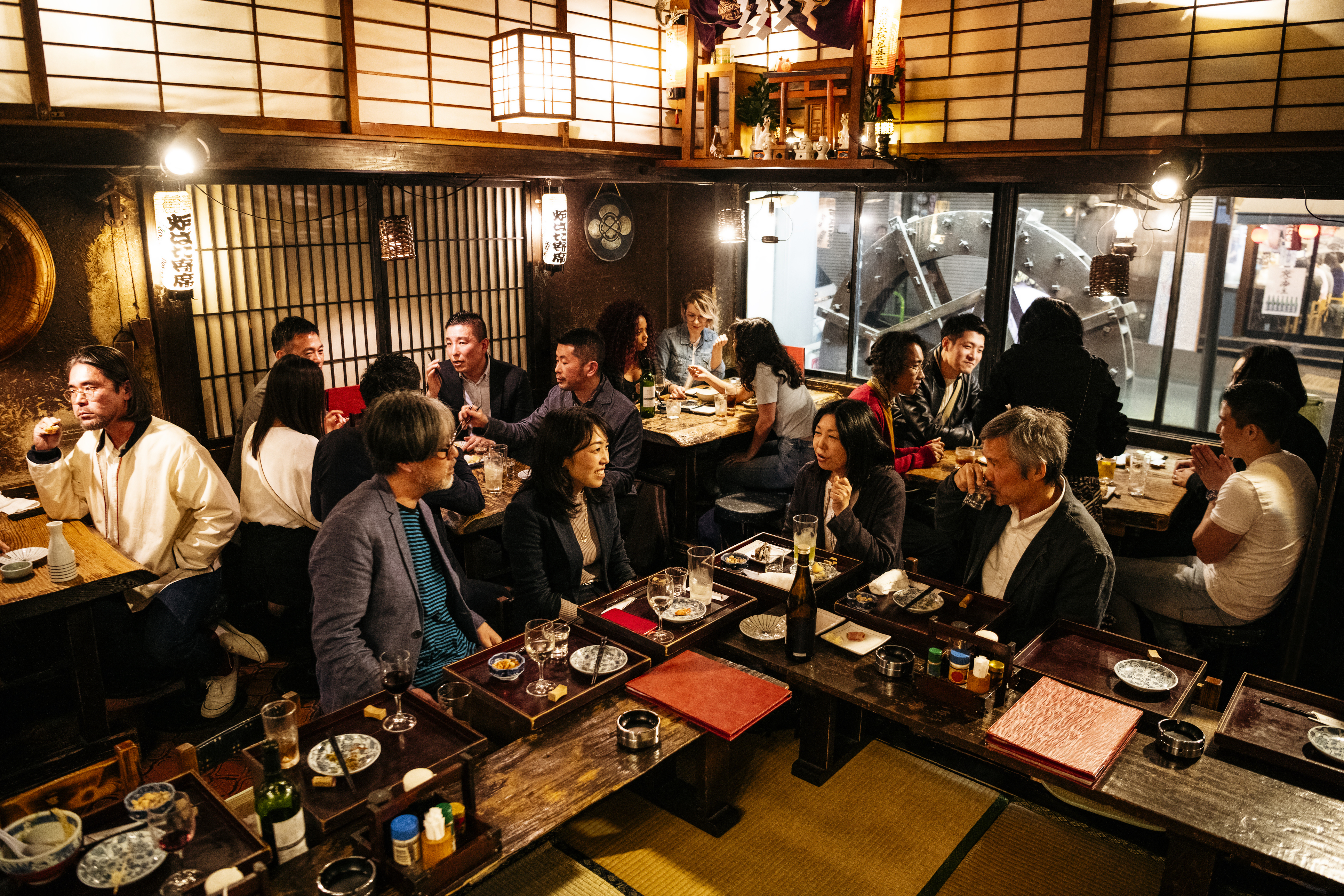
Co-workers relaxing in Japanese restaurant with food and drink

I was a complete novice in what I was about to experience, but as a relative newcomer to Japan, it was a great opportunity to learn about a slice of Japanese culture that was previously hidden from me. With my Japanese friends leading the way, we entered a rather non-descript multi-story building located in an area of town known for its night life. Each floor hosted several business establishments and we chose one that didn’t particularly seem to stand out among any of the others, except that it was obviously well-known to my more experienced friends. We were about to enter what is known as an izakaya.

Translated literally, izakaya (居酒屋) means “stay-saké-shop,” so it is basically a place to consume alcoholic beverages. However, an izakaya is much more than that as it has more resemblance to a British pub where food is served and people gather for social interaction. Sometimes these izakaya are called an akachōchin, or “red lantern” as the proprietors traditionally hang decorative red paper lanterns outside to attract attention. Upon entering the establishment, customers are often seated on the floor at low tables placed on tatami mats, a traditional bar or at western-style tables and chairs. The busier izakayas may also offer a tachi nomi style of dining, which means to drink while standing.

Everyone is customarily given an oshibori or wet towel when they are seated to wipe their hands and this is usually accompanied by a small appetizer such as edamame (soybeans). Food items are generally shared by everyone at the table and many izakaya specialize in certain food choices such as yakitori (grilled chicken on sticks), sashimi, tofu, grilled fish and even french fries (called “furaido poteto”). Some of the larger izakaya offer the dining option of nomi hōdai (all you can drink) or tabe hōdai (all you can eat) at a set price for a determined length of time. The more innovative izakaya come with a particular cosplay theme where the staff wear costumes while waiting on customers. The word “kanpai!” is echoed often as customers lift their glasses and toast one another in merriment. Regular patrons sometimes purchase a particular brand of alcohol and the bottle is placed on a shelf with their name written on it for their next visit. Like the classic TV sitcom “Cheers” that centered on a group of regular customers at a local bar, an izakaya can be a safe place to relax where “everybody knows your name.”

Ironically, some of the purposes for attending an izakaya can also be reflected in the reasons people may attend a local church. Meeting with like-minded people for companionship, encouragement and sharing of information are some of the attractive elements of an izakaya that are usually unavailable at onerous, pressure-driven places of work. When viewed in these terms, izakaya represent for many a form of escape through shallow social interaction and the consumption of alcoholic beverages and food.

While such responses are understandable and even ordained in some circumstances (Ecc. 3:13), there is certainly much more to life. One can also make many bad choices if his or her sole objective is to merely escape from the day-to-day unpleasantries of life. Perhaps this is why the Apostle Paul advised new believers, emerging from previous dark cultural habits, to aim for something higher that would lead to more productive lives that honor their Creator. He said, “Do not get drunk on wine, which leads to debauchery. Instead, be filled with the Spirit.” (Eph. 5:18) Because God knows our name, our choices can lead to eternal blessings.

Radio Exercises

 “Run in such a way as to get the prize.” I Corinthians 9:24b

Radio Exercises

One day while on an early morning walk through the local park, I stumbled upon a random cluster of people who appeared to have assembled for a specific purpose. The group consisted of mainly older Japanese, but among them was also a smattering of middle-aged members and even a few children. Someone had brought a portable radio and placed it on a nearby bench, which was obviously the focal point of the gathering. They all seemed to be waiting for something to happen. Then at exactly 6:30am, a jaunty piano tune boomed from the radio along with the pronounced chant “ichi, ni, san…” (1, 2, 3…). Mesmerized, I watched as young and old alike proceeded in unison to move their arms, legs, heads and waists in rhythmic motion dutifully obeying the commands blaring forth from the radio. From my vantage point, they looked like marionettes on strings controlled by an invisible puppeteer. I was witnessing rajio taisō (ラジオ体操) in action.

Rajio taisō means literally “radio exercises” and it is basically a series of warm-up calisthenics that are practiced routinely across Japan on a daily basis. School children, random groups of people and even employees at many companies gather daily for this brief three-minute exercise routine designed to promote good health and community relationships. Many others opt to do the program in the privacy of their own home by tuning in to the same broadcast by NHK on either radio or TV. Recent surveys indicate that approximately 27 million Japanese participate in this scripted morning calisthenics program more than twice a week.

The concept of rajio taisō, which was an imported idea from overseas, was introduced to Japan in 1928 following the commencement of Emperor Hirohito’s reign. As part of its advertising strategy, a well-known American life insurance program had just launched the idea of mass calisthenics by sponsoring a 15-minute radio broadcast in several major cities. In Japan, this novel idea was adopted and initially utilized to improve the health and morale of Japanese soldiers. This early manifestation probably explains why similar rajio taisō programs continue to exist in formerly Japanese-occupied nations of Taiwan and China. Following Japan’s defeat in World War II, these seemingly harmless exercises were deemed to be too militaristic in nature by the occupying powers so they were temporarily banned. However, NHK radio (Nippon Hōsō Kyōkai—Japan Broadcasting Corporation) revived the custom in 1951 with some alterations under the guidance of the Ministries of Health and Education. It is now broadcast four times a day with the exception of Sunday.

Exercise is obviously a worthy goal as it promotes physical and emotional health as we seek to live productive lives for the glory of God. But there is a higher level of exercise or training that better equips an individual for something better than just athletic competitions. The Apostle Paul alludes to this in I Corinthians 9:24 where he exhorts the people of God to take their spiritual walk seriously, similar to a trained athlete competing for a prize. This daily commitment to the things of God demands training, purposefulness and discipline, just like an athlete striving to win first place in their respective competition. Like rajio taisō, both young and old can join in this worthy endeavor and the spiritual benefits are many. Ichi, ni, san

Watch this link for more information: https://www.youtube.com/watch?v=hIW2PKqwXQc

Participate in rajio taisō by while watching: https://www.youtube.com/watch?v=GM3d3QP3ylM

Sumo Ring

“Your path led through the sea, your way through the mighty waters, though your footprints were not seen.”  Psalm 77:19

yobidashi

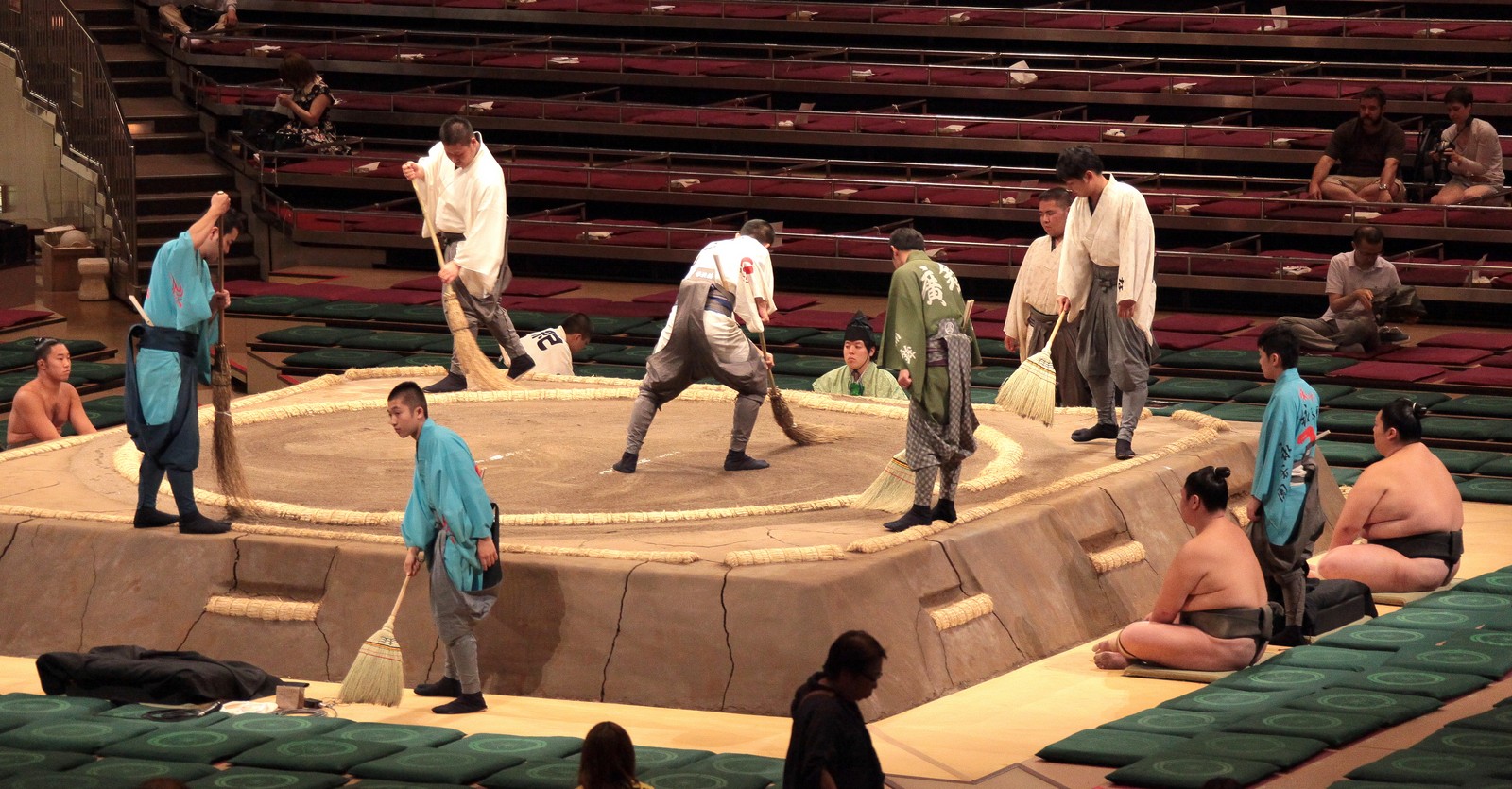
If you ever watch or attend a sumo tournament, your attention will be naturally drawn to the behemoth wrestlers in the center of the ring. There, the two contestants skillfully grapple with one another until one wrestler loses by either stepping out of the ring or touches the dirt with any body part besides his feet. Often unnoticed in the midst of this exciting activity are assistants hovering attentively off to the side. These are the yobidashi (呼び出し), the handymen employed by the Japan Sumo Association to perform a number of key tasks essential to the success of every sumo event.

Among their many assigned chores, yobidashi play taiko drums outside to attract customers, display banners before the match, attend to the various needs of the wrestlers and judges, hand out prizes and make certain announcements. However, their chief responsibility entails the proper construction of the elevated sumo ring (dohyō) and they must diligently maintain it throughout the tournament. As part of the maintenance routine, the yobidashi frequently sweep the ring to remove all marks so the judges can readily determine if a wrestler has touched the dirt when the outcome of the contest is uncertain.

The term yobidashi means “to call, or to summon,” which can refer to their role of calling out the wrestlers for a match or to their position of being “on call” for various tasks associated with a sumo tournament. The yobidashi, like the wrestlers themselves, operate within a strict hierarchy, often entering their unique occupation as teenagers and steadily working their way up through the ranks. No more than 45 yobidashi are employed at any given time and they are carefully trained in their techniques with the goal of becoming almost invisible on the sideline as they carry out their duties.

Other sports around the world similarly employ an army of workers and tools for a variety of tasks related to sporting events. Consider the instant replay booth, which helps verify a wide range of actions that take place on the field of competition. Like marks left in a recently swept sumo ring, these technological advances provide additional evidence of what actually transpired, even when such actions escape notice of the human eye in real time. In the same way, the works of God and His activity in the affairs of the world around us, often remain unseen to us. This does not mean that God is not proactively engaged in the things that concern us, but rather, we often fail to perceive it. Therefore, we are instructed to “live by faith and not by sight” (II Corinthians 5:7); evidence of God’s handiwork is often not readily apparent to us.

Sometimes, the absence of such “marks” can lead us to speculate as to what God may or may not be doing as we seek to faithfully fulfill His purposes here on Earth. But every once in a while, we are provided glimpses of God’s power and grace in our lives like a mark left in the sumo ring before the passing of time sweeps it away. Such “footprints” (Psalm 77:19) serve as reminders of God’s presence and power as we journey by faith in a world full of uncertainties.

Story Telling

“Then I said, ‘Here I am, I have come—it is written about me in the scroll.” Psalm 40:7

Manga

Perhaps you can guess what the following titles have in common: Bleach, Full Metal Alchemist, One Piece, Dragon Ball, Slam Dunk, Sailor Moon, Death Note, Nausicaä and My Hero Academia. If you haven’t guessed already, these are all famous Japanese manga series. Manga (漫画) are Japanese comics or graphic novels and the word means literally “whimsical or impromptu pictures.” Although the concept of manga is centuries old, the present form originated in the 19th century and is now available in a variety of genres, including adventure, comedy, drama, history, science fiction, mystery, sports and fantasy. The popularity of these Japanese comics exploded in post-war Japan and the early series of Astro Boy and Sazae-san were the initial best sellers in a rapidly expanding market. People of all ages now read these graphic novels as an increasing variety of manga series are written to appeal to diverse demographic groups.

The popularity of such simple pictorial stories has given rise to the establishment of manga cafes throughout Japan where customers leisurely sip on their drinks and enjoy the vast inventory of mangas provided for their reading pleasure. These Japanese comics are typically printed in black and white on low quality paper to make them more affordable and range from 200 to 800 pages in length. The more popular manga series are often animated into TV shows or full-length movies and several have worldwide appeal. The term “manga” is now fully incorporated into the English language to describe this unique genre of Japanese literature.

A prevalent theme in many manga is that of a hero who overcomes incredible obstacles and challenges to achieve some noteworthy objective. This common heroic motif often found in manga recently served to spur a Japanese Christian publisher to develop and produce a pictorial Bible series based on the life of Christ, entitled “Manga Messiah.”

Many hints of God’s coming Chosen One are scattered throughout another written record now familiarly known to us as the Bible. In one of Jesus’ early public appearances in his hometown of Nazareth, we are told that he stood up in the local synagogue and deliberately selected and then proceeded to read a well-known messianic prophecy recorded in Isaiah 61: “The Spirit of the Lord is on me, because he has anointed me to proclaim good news to the poor. He has sent me to proclaim freedom for the prisoners and recovery of sight for the blind, to set the oppressed free, to proclaim the year of the Lord’s favor.” (Luke 4:18-19) Upon the completion of this reading, Jesus handed the scroll back to the synagogue official and shockingly announced to the assembled audience that, “Today this scripture is fulfilled in your hearing.” (v.21)

Jesus’ journey from that point on was marked by triumph and trials and at first glance, his story seemed to end in tragedy as he followed the lonely path ordained for him by his Heavenly Father. Though recognized by few and reviled by many, Jesus heroically conquered death and sin through His selfless sacrifice on the cross. In so doing, this became the greatest story ever told that ended not at a cross, but with an empty tomb. Even better, this is no mere fanciful tale recorded by a creative mind for a new manga series. In this story, God is both the author and the principal character who achieved the supreme goal for all mankind–forgiveness of sins. That’s a story worth retelling.