
Bamboo

“The life of mortals is like grass.”  Psalm 103:15a   

Bamboo

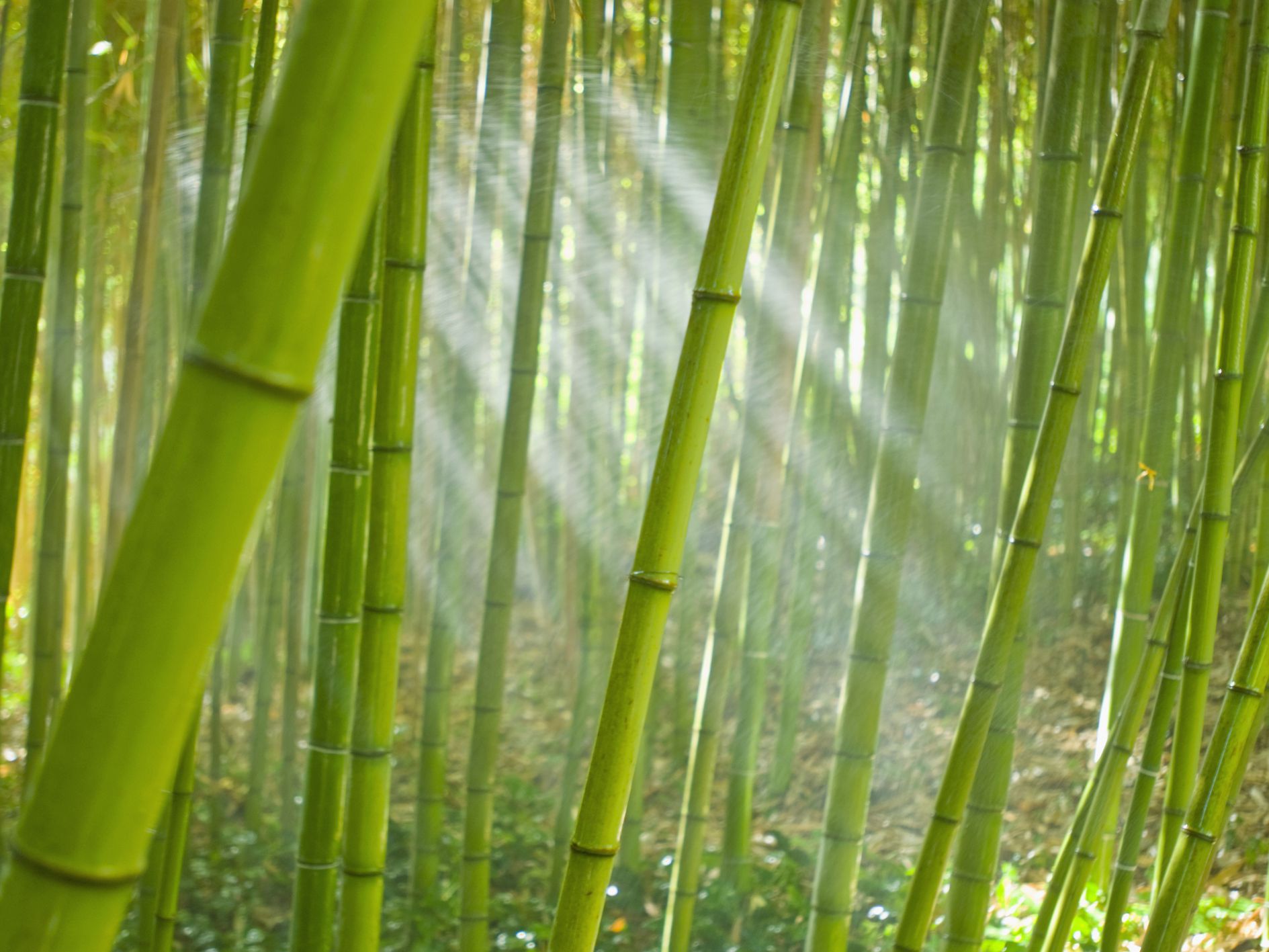
My first experience with bamboo was when I learned to fish as a child using a long cane pole. I will probably continue to associate bamboo with happy memories of fishing, but the Japanese have many more applications for this unusual plant. Called “ta-ke” (竹) in Japanese, bamboo was traditionally used for housing construction, weapons, utensils, musical instruments, various handicrafts, charms, furniture and food (the bamboo shoot, takenoko, serves as a staple in the Japanese diet).

There are approximately 1,400 species of bamboo in the world and although many varieties can grow as tall as a tree, it is actually classified as a grass. Bamboo is among the fastest growing plants on Earth and some species may grow as much as a yard (meter) within a 24-hour period, depending on local soil and climate conditions. The taller versions of ta-ke may reach thirty yards in height, with a diameter of eight inches. The stem of the bamboo, known as a culm, begins as a shoot from an underground network of roots that can be quite aggressive and difficult to control. This is why bamboo is considered an unwanted invasive plant in many parts of the world and measures are often taken to restrict its cultivation. However, the tensile strength of bamboo, combined with its light weight, makes it a popular building material throughout Asia. Although bamboo is a common and well-known plant, scientists remain baffled by its unique flowering patterns. The flowering intervals of bamboo are very unpredictable, occurring anywhere from every 60 to 130 years, which is usually followed by a massive die off of that particular bamboo grove.

There are many religious overtones to ta-ke in Japan and it is quite common for bamboo forests to be located near Shinto shrines, as they superstitiously serve as a barrier against evil. Bamboo is widely utilized in various religious festivals as it represents prosperity and good fortune. At the annual summer Tanabata festival, many Japanese write prayers on strips of paper and attach them to bamboo.

Grass is often used in the Old Testament as a sign of God’s blessing or on other occasions, to depict the temporal nature of life. For example, an abundance of grass to feed cattle and sheep is evidence of God’s blessing upon those who worship Him and follow His ways (Deuteronomy 11:15). Sometimes grass is used symbolically to represent God’s promise to an individual to bless him with many descendants like the grass of the field (Job 5:25), or more commonly, like sand on a seashore. Conversely, a shortage of grass or the withering of grass can be interpreted as a sign of God’s judgment or punishment (Isaiah 40:7).

Perhaps the most graphic and startling allusion to grass in the Bible centers on the temporary nature of man, and his life on earth, when compared to eternity. Like bamboo that can grow at phenomenal rates but eventually dies and rots, man’s physical existence is short-lived. Wise is the person who keeps this reality in mind. In the eternal scheme of things, we are like grass, which should prompt us to turn our thoughts to the unchanging God of eternity. “The grass withers and the flowers fall, but the word of our God endures forever.”

Mt. Fuji

“Before the mountains were born or you brought forth the whole world, from everlasting to everlasting you are God.” Psalm 90:2

Mt Fuji

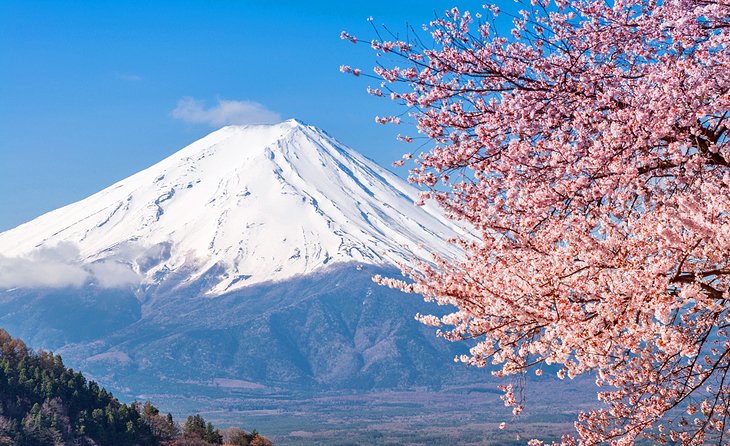
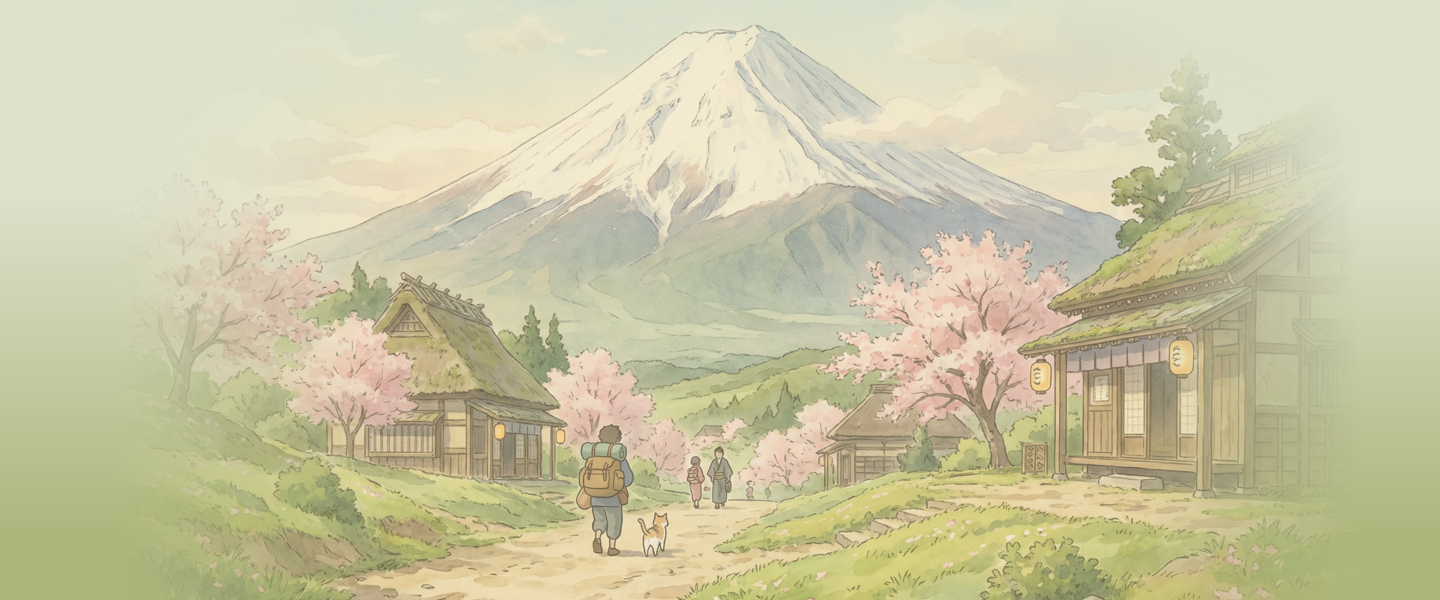
The picturesque Mt. Fuji towers above the surrounding landscape in Japan and as such, has historically been a favorite subject for Japanese arts, ranging from paintings to poetry and, more recently, to photography. Mt. Fuji, known as “Fujisan” (富士山) in Japanese, is the tallest mountain in Japan, standing at 3,776 meters in height (12,389 ft.). Its volcanic crater measures 780 meters (2,560 ft.) wide with a depth of 240 meters (790 ft.). Its last eruption was in 1708 and on clear days, Mt. Fuji is visible over 60 miles away to the inhabitants of Tokyo who will often stop whatever they are doing, just to admire the iconic shape silhouetted on the horizon.

Since Mt. Fuji is located near a huge population base (over 40 million people) and poses such a dramatic presence in the changing seasons, it is indisputably the most photographed mountain in the world, even though it is relatively diminutive in size when compared to other famous mountains. Pictures of the world-renowned volcanic cone are often artistically framed by cherry blossoms, unique cloud formations, rice fields ready for harvest, snow-laden trees, local wildlife or autumn colors to heighten its majestic beauty. Over 300,000 people annually ascend Mt. Fuji during its short climbing season from early July to mid-September, utilizing five well-worn trails. The popular Japanese custom for climbing the mountain is to arrive at the summit before daybreak in order to witness a breathtaking sunrise over the surrounding countryside with a seemingly unlimited view. A trail of lights from hikers making their way up the trail at night is often visible from miles away, which adds another element of mystique to the iconic mountain. However, many will be disappointed as clouds frequently shroud the peak, impeding views of the scenery beneath them. The entirety of Mt. Fuji is often obscured as well to observers below by the same clouds, making its majestic appearances an even more welcome sight.

Mt. Fuji is the subject of many Japanese proverbs and one that is frequently quoted goes, “He who doesn’t climb Mt. Fuji once is a fool; he who climbs twice is a fool.”  (富士山に一度も登らぬバカ、二度登るバカ) Although I have done many foolish things in my past, my personal conquest of Mt. Fuji was a one-time event that I don’t care to repeat. However, I will never forget that otherworldly experience when I reached the pinnacle and enjoyed the awe-inspiring panorama below.

Mountains have a way of making us feel small as we look up at them and when we have opportunity to scale their summits, they provide a perspective of the world that we normally lack. Mt. Fuji is no exception to this pattern and its geographical separateness from other mountains tends to heighten this effect. In our earthbound existence, there is nothing larger than a mountain, so it is quite natural for our thoughts to transition to things greater than ourselves as we turn our gaze upwards. Our feelings of smallness and insignificance in light of such lofty views should turn our hearts towards God as they silently, yet powerfully testify of God’s immeasurable greatness and eternal existence. He who contemplates such matters is no fool.

Scattered Petals

“He has made everything beautiful in its time. He has also set eternity in the human heart; yet no one can fathom what God has done from beginning to end.”            Ecclesiastes 3:11

cherry blossoms 6

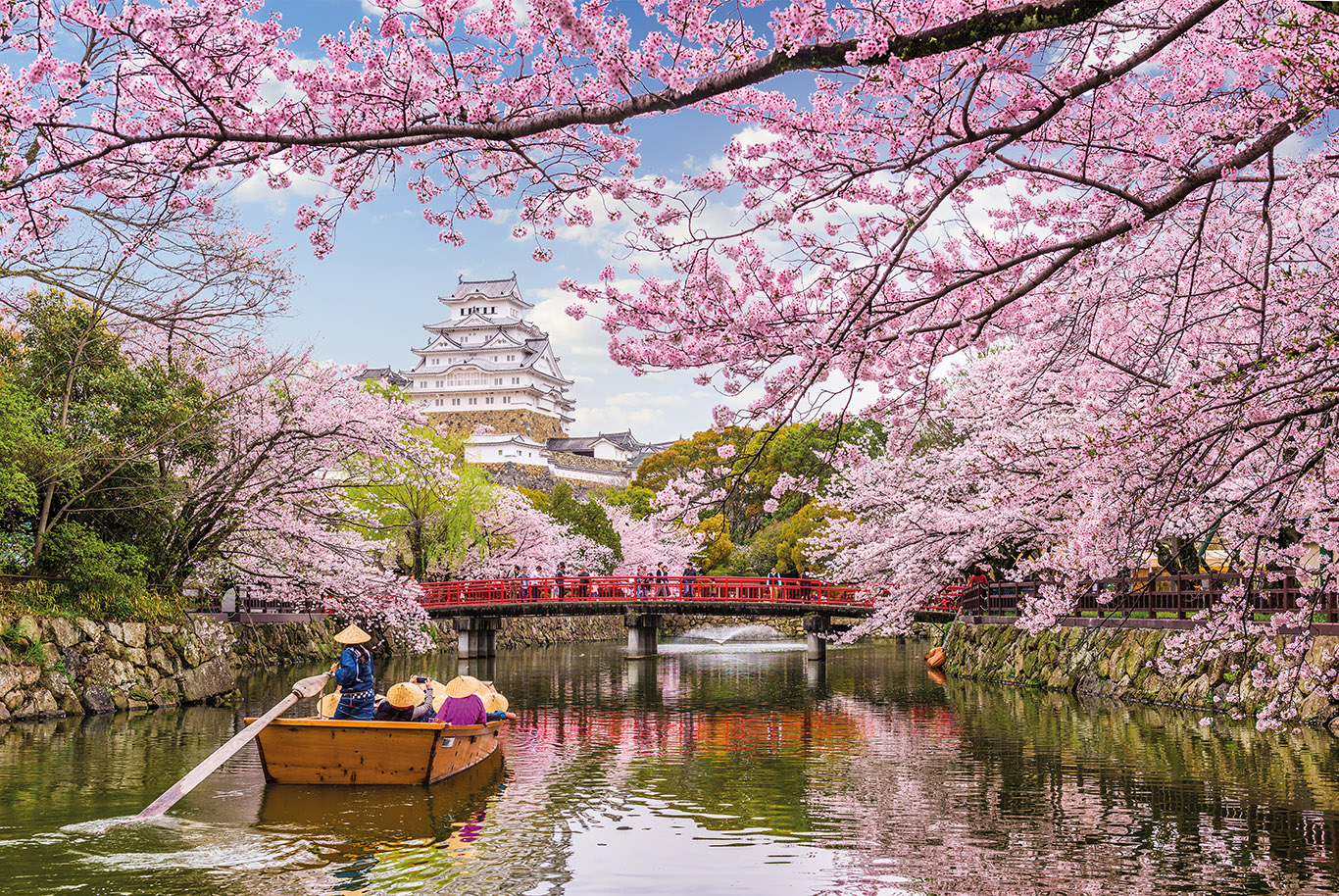
The normally clear, flowing stream below me was covered with a carpet of freshly fallen cherry blossoms slowly making their way downstream. While maintaining my perch on an ancient footbridge, I raised my gaze to an equally mesmerizing random cascade of petals falling from the trees lining the water’s edge. The incredibly beautiful blossoms from only a week ago were now quickly scattering like snowflakes in the wind, affirming once again the brevity and fragility of all things. Thoughts on life, death and renewal seemed to disperse to the edges of my mind like the scattered petals all around me.

The cherry blossom is the unofficial national flower of Japan; it permeates art, poetry and the national consciousness of the Japanese people on various levels. Called “sakura” (桜) in Japanese, this delicate flower explodes upon the landscape every spring throughout Japan. Its greatly anticipated arrival is celebrated as the cherry blossoms begin to bloom in the southernmost parts of Japan in mid-March and usually complete their annual cycle around early May in the northern prefecture of Hokkaido. The advent of the sakura is a major news event and thousands flock across Japan to nearby parks to picnic (called “hanami”) under these gorgeous trees. There they revel in the temporal beauty of cherry blossoms representing the renewed glories of spring.

The author of Ecclesiastes likewise marveled at the beauty of creation and in so doing his thoughts were drawn beyond himself to the Creator of all things. It is typically not easy to move from the shallow things of life to deeper, eternal thoughts, as so much seems to get in the way. Therefore, to assist us in this all important journey, God has endowed the world around us with visible reminders of His presence and benevolent care. Such displays are worth celebrating and reflecting upon as they have the power to draw us away from the mundane, or routines of this life, to the greater things of God. As God has placed eternity in our hearts, the beauty of this created world beckons us to slow down and meditate on His existence.

Snow Country

“Wash me, and I will be whiter than snow.” Psalm51:7b

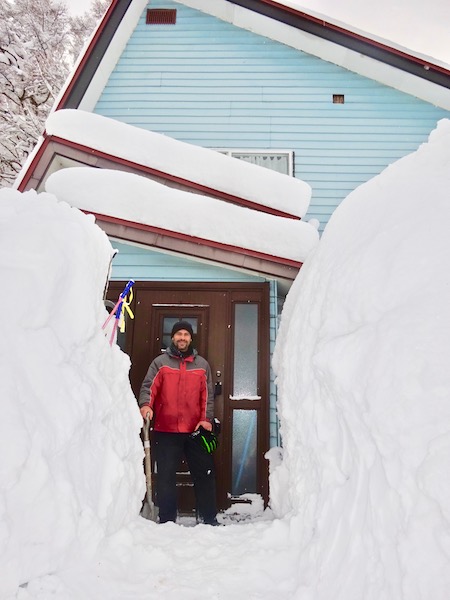
Snow CountryWhen we experienced our first major snowfall in northern Japan as new missionaries, we took lots of pictures and videos thinking, “This is a lot of snow!” However, with each successive snowfall over the following months and many rolls of film later, we finally grasped what a “lot of snow” really was. As a snow country novice raised in Texas, I was clueless. We had been forewarned about what to expect by our senior colleagues, but that was no substitute for actually experiencing firsthand drastic winter conditions. Over twenty feet of snow per year is a LOT of snow.

Northern Japan actually boasts of having the top two snowiest cities in the world, Aomori City and Sapporo, the later in which we resided for many years. The major city of Sapporo spends almost 200 million dollars every winter for snow removal as it struggles to keep 3,355 miles of public roads and sidewalks clear for vehicles and pedestrians. Gigantic snow removal machines prowl the city streets at night like nocturnal animals carving out tunnels as they battle the icy elements. Over the course of winter, enormous snow mountains several stories high begin to emerge throughout the city in the form of ancient ziggurats, standing as dramatic monuments to the challenges of winter weather.

Individuals are armed with their own weapons for winter warfare, which are conveniently sold in most stores. These would include snow shovels in various sizes and colors, snow blowers, and the so called “mama dump,” which is a large two-handed scoop used for hauling away the unwanted snow. Many houses now come with heated parking spaces, eliminating the need for snow removal; snow melting machines are also quite common. These innovations are quite useful since places to dump all the white stuff are scarce and highly contested. Families are keen to live next door to local parks where their kids can play, but these locations are also highly coveted as a dumping ground by veteran snow removers. Playground equipment soon disappears, eventually reemerging in the spring.

One important lesson we learned early in our snow removal career was to ALWAYS leave one’s snow shovel standing upright in the snow to avoid losing it during the next blizzard. The same principle applies to anything of value, as it will quickly disappear in an unexpected snowstorm and will likely remain lost until the spring, when the accumulated snow finally recedes.

Like objects hidden in the snow, the most blatant and ugliest of sins can be hidden from public view. Certainly no one but God knows the depravity of our hearts. Fresh snowfalls may cover a multitude of eyesores, but they eventually melt away revealing the unsightly reality that often lays beneath. This is why the Psalmist prays not to have his sins covered by snow, but to be white like snow. There is a huge difference between these two approaches. True repentance and holy living is not just a cover up or denial of past misdeeds, but rather, a complete forgiveness based upon the amazing power of the cross. While men can remove snow, only God can remove sin.