
Obon

Remember Jesus Christ, raised from the dead, descended from David. This is my gospel.”                II Timothy 2:8

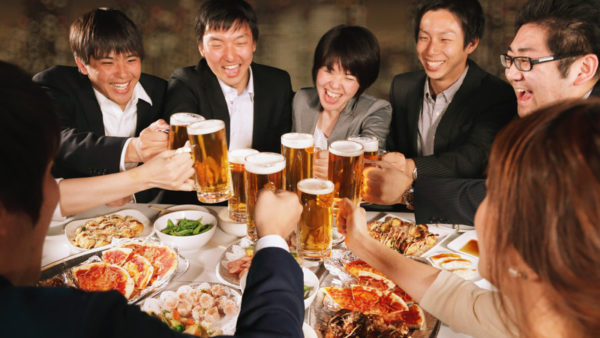
The festive atmosphere associated with the local bon odori beckoned our young family to join in, but we held back, wondering if we should participate in this unfamiliar cultural activity. However, the sound of laughter and merry music were like a magnet pulling us in as we watched neighbors of all ages dancing in rhythm while wearing colorful, traditional attire. From previous research, we understood that the celebration historically centered on acknowledging the return of one’s dead ancestors. However, the majority of the participants were probably unaware of the festival’s origins. Over the years, obon had steadily evolved into a quasi-family reunion where people return to their ancestral homes to pay homage to their deceased ancestors and reconnect with family.

The exact etymology of the term bon (盆) remains unclear and the “o” is an honorific prefix that was added at some point. This annual celebration primarily traces its roots outside of Japan, as it includes elements of Buddhism and Daoism. Many scholars believe “bon” is actually a transliteration of an ancient Sanskrit word. Similar festivals in other cultures are commonly called “lantern festivals” and that same terminology is sometimes used in association with obon practices in Japan. The Japan version usually spans a three-day period in the middle of August, but the exact starting date differs slightly from region to region. Obon is generally regarded as a time when ancestral spirits visit their respective household altars and graves, which prompts relatives to make preparations to welcome them back. Such preparations will include the gathering of family members, cleaning family graves and stocking them with food and flowers. In addition, communities throughout Japan host obon dances, called bon odori to invite the spirits home. The participants in the dance typically wear a yukata, which is a light cotton kimono, and in addition to dancing, they enjoy simple carnival games and local foods served for the crowd.

At the outset of obon, small fires are often lit to guide the spirits home and at the conclusion of the three days another fire is used to send the spirits back. Some localities may sponsor a much larger communal fire for the same purpose while others customarily place floating lanterns in bodies of water to help the spirits return to their world. People who have lost a family member within the past year may give special attention to the annual obon preparations and take extra measures to attend.

Although few Japanese believe in the religious overtones of obon, many continue to dutifully follow the traditions handed down to them by their family and everyone enjoys the rare three-day break from work routines. Technically, obon is not a public holiday, but most businesses give their employees the time off, which in turn results in massive transportation issues with large numbers of people seeking to travel home at the same time.

While it is a good thing to acknowledge and express thankfulness for the lives of ancestors who contributed to our present existence, we must be careful in where we draw the lines in such activities. Well-intended celebrations and ceremonies centered on deceased loved ones can easily spill over into alternative forms of idolatry that the Scriptures clearly forbid. For example, attending a graveside ceremony can be an acceptable sign of respect and love, but the offering of food or incense to the dead crosses a line that morphs into an act of worship and betrays our devotion to the One True God. But there is one exception to this practice who we much clearly remember and honor. (II Timothy 2:8) Jesus Christ was truly raised from the dead. This is our gospel. His life and death are worth celebrating and sharing.

Christmas Trees

“Therefore, as we have opportunity, let us do good to all people.”  Galatians 6:10a

Christmas trees3

It was a bit of a challenge to procure our first Christmas tree in 1984 in Japan, but we had the opposite problem 27 years later when we almost had too many Christmas trees. Let me explain. Over the years, Christmas has steadily grown in popularity in Japan. Therefore, Christmas decorations, presents, and Christmas music have now become quite common, particularly in the more urban areas. But for many who lost everything in the 2011 tsunami, things looked pretty bleak as December 25th drew near. Most people in the area were unemployed and lived in temporary housing units with minimal possessions in very cramped quarters. Morale was understandably low, so the Japanese government decided to do something in an attempt to improve the situation. They provided Christmas trees. Literally dozens of Christmas trees were placed in each of the makeshift community rooms located among the many temporary dwelling sites scattered along the devastated coastline. While their intentions were good, this presented a problem. No one knew what to do with these trees. That is where we entered the picture.

Just a few months earlier, we had spearheaded a relief work along a significant stretch of the affected area but increasingly, we sensed God was calling us to limit our efforts to a particular location. But we wondered how we could possibly gain acceptance within this shattered community and earn their trust that would in turn, enhance our effectiveness. The unexpected solution… Christmas trees! The local governmental agency in charge of the area had heard of our work and knew we were Christians. Therefore, they asked if we would be willing to help with the decoration of these trees that were languishing unattended in all the community rooms. Recognizing an amazing provision by God, we leapt into action and along with many volunteers, initiated a frenzy of Christmas tree decoration activities.

We quickly put a serious dent in the local supplies of Christmas decorations from still-existing stores and immediately sent out a call for volunteers from across Japan to bring more when they came to help. We organized Christmas parties at each location and disaster victims eagerly embraced the opportunity to experience community again while decorating a tree. They chatted with neighbors while Christmas music played in the background and consumed the hundreds of Christmas cookies volunteers also brought with them. We distributed small gifts, played fun games, sang Christmas carols and hundreds heard the amazing story of God’s provision of a Savior for the very first time. Light entered into their darkness and it all began with a simple Christmas tree. Sometimes we did three to four parties a day racing from one location to another in what felt like an endless loop. But in the midst of our exhaustion we were awed and humbled to be part of these unexpected developments. It was a powerful lesson that the God who dramatically interjected Himself into history in a manger continues to intervene in human affairs through something as mundane as a Christmas tree. Each of those trees served as a vivid reminder that God loves people and cares passionately for the brokenness of our world.

Over the course of many months, we learned that the nature of relief work centers on opportunities to do good for people, which is actually a biblical command (Galatians 6:10). Good works come in many forms, almost always demanding some kind of sacrifice from us, but they all begin with an opportunity that is uniquely provided by God to accomplish His divine purposes. Our willingness to respond in faith and obedience is all He asks of us. He will provide the Christmas trees.

Foreign Holidays

“This is a day you are to commemorate;” Exodus 12:14a

Christmas in Japan

It was our first Christmas Day in Japan and everything felt wrong when I surveyed the world around me. Children were in school, the banks were open and the stores were full of customers. Besides the beautiful blanket of snow covering the ground, there was no visible evidence of Christmas. In the preceding weeks, we had managed to procure a Christmas tree, wrapped our collection of gifts and even tracked down a place that sold turkeys as part of our preparation to celebrate Jesus’ birth. But Christmas was obviously not a major event in Japan.

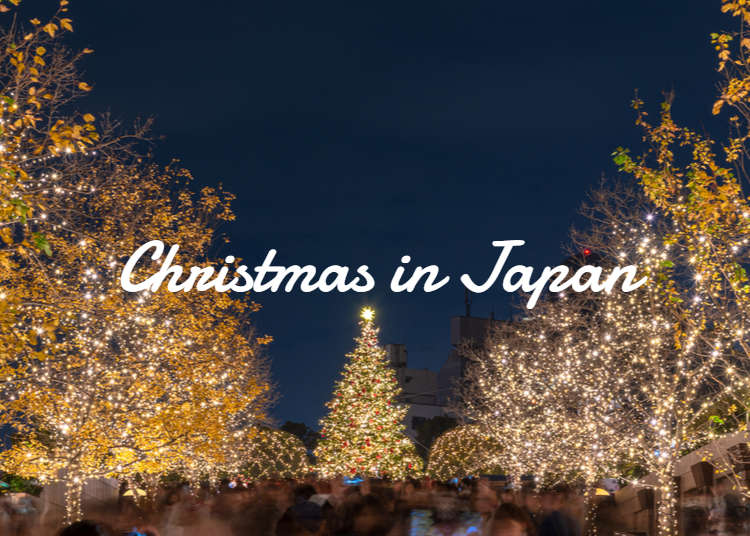
Many years later, Christmas is still not recognized as a national holiday in Japan, but it is certainly on the nation’s radar. For example, Christmas music is now commonly played in numerous venues. Christmas trees and decorations are sold everywhere. People are increasingly putting up Christmas lights on their homes and giant light displays known as “iruminēshon” (illumination) have become popular attractions. Christmas Eve is generally considered to be a romantic time for young couples in love who celebrate the occasion by going out for a special meal, exchanging gifts and visiting a local iruminēshon. Japanese have even developed their own genre of Christmas music composed and performed by famous artists. A sample of this is a song by Takeuchi Mariya called “Sutekina Kurisumasu” (“Lovely Christmas”). Local merchants are naturally very enthusiastic about anything that puts more money in their pockets, which also accounts for the increasing popularity of other foreign special days like Easter, Valentine’s Day and, more recently, Halloween. Tokyo Disneyland has particularly capitalized on these trends featuring special events, displays, menu items and merchandise that match these festive occasions.

Of course, Japan has its own standard holidays like Constitution Day, Sports Day, Children’s Day, Respect for the Elderly Day, the Emperor’s Birthday, Labor Day, Marine Day and Vernal Equinox, but these do not easily lend themselves to celebratory events. Churches throughout Japan are understandably keen to capitalize on people’s interest in Christmas, so they typically sponsor a variety of meetings designed to share the true meaning of Christmas and the wonder of God’s visitation to Earth.

Special days are often set aside around the world to commemorate significant historical events and this was also true of God’s people. Following the miraculous phenomenon associated with their liberation from Egyptian bondage, God instructed the Israelites to commemorate the penultimate plague, Passover, with a unique celebration that was to be observed on an annual basis (Exodus 12). As God continued on other occasions to intervene in history to deliver His people, additional festive events were instituted and observed by generations that followed. The stated purpose of these special days was to recall the mighty deeds of God as an act of worship. But God’s ultimate intervention in the affairs of man went unnoticed by all except for a handful of shepherds and a few faithful individuals who longed for His appearing. Unexpectedly, and inexplicably, God voluntarily took on human flesh and dwelt among us. Jesus came to “save his people from their sins” (Matthew 1:21) and this arrival is the wondrous event we commemorate with every Christmas season. Immanuel. God is with us. Let us bow in worship.

Dolls Festival

He [Jesus] sacrificed for their sins once for all when he offered himself.”  Hebrews 7:27b

Girls Day2

Every year on March 3rd, countless girls across Japan celebrate Hina Matsuri (ひな祭り) which means literally “doll festival,” but is commonly referred to as “Girls’ Day.” The custom originated in the early 17th century, where usually a red, multi-tiered platform (hina dan) is set up and on it a collection of special dolls (hina ningyō) and related furniture are put on display prior to the hina matsuri. These ornamental dolls are typically clothed in the traditional court dress of the Heian Period (794-1185) and represent the emperor, empress, various court attendants and musicians. The dolls are not intended as items for play and many sets are actually quite expensive with a value of several thousand dollars for the more elaborate versions. Some hina matsuri collections are passed on from one generation to another as treasured heirlooms and are therefore handled with great care.

Hina matsuri is also associated with the initial blooming of peach blossoms in certain parts of Japan with the coming of spring and as such symbolically celebrates the health and happiness of girls within a family. According to custom, immediately following Girls’ Day, these special dolls are supposed to be put away immediately or parents risk inviting the bad luck of a late marriage for their daughter. The city of Konosu hosts the largest display of hina ningyō in Japan every year on a 23-foot (7 meter) pyramid with more than 1,800 exquisite dolls artfully arranged on 31 levels.

Another ceremony often connected with hina matsuri is nagashi bina, which is roughly translated as “doll floating.” Participants in this unusual rite make cheaper versions of the hina dolls from paper or straw and set them adrift on a river, regarding them as a sort of talisman that will remove their sins, impurities and any demonic influences.

The obvious intention of Girls’ Day is to provide families an annual opportunity to celebrate the lives of their girls while wishing for them to have health and happiness. But the older and deeper traditions associated with hina matsuri point to something far more important that is largely ignored in modern celebrations. What is conveniently overlooked is the universal problem of sin and our personal culpability before a Holy and Righteous God. While all parents understandably seek health and happiness for their children in this temporary world, there is nothing they can do to eradicate the eternal consequences of the sins and misdeeds of themselves and their children in the world to come. Recognizing this problem, previous generations of Japanese set dolls afloat on nearby rivers in a vain attempt to purge them and their loved ones of personal guilt. But such shallow efforts, no matter how well intended they may be, sunk ineffectively in deep waters along with the dolls as they drifted downstream. Another, more effective solution than floating dolls was needed and God Himself has provided the perfect substitute for our sins in the form of His Son. The author of Hebrews succinctly describes this amazing provision when he writes, “He [Jesus] sacrificed for their sins once for all when he offered himself.” (7:27b) This substitute is indeed an amazing treasure, not to be put on a shelf and casually admired, but to be fully embraced and celebrated daily. 

Swimming Upstream

“Let perseverance finish its work so that you may be mature and complete, not lacking anything.”        James 1:4

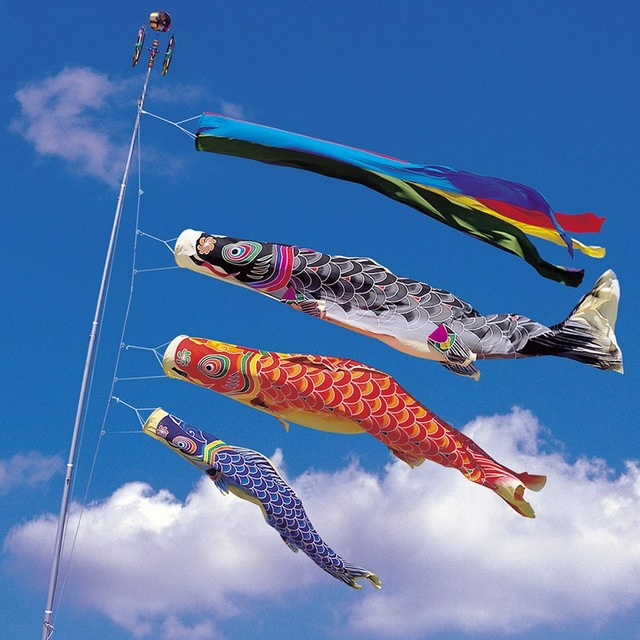
koinoboriThe koinobori fluttered in the spring breeze on the flag pole as a visible reminder that Kodomo no Hi (子供の日), or Children’s Day, was coming soon. Every May 5th, Japanese celebrate this national holiday by attaching bright, colorful streamers in the shape of carp called “koi” to express their well wishes for children. “Nobori” means “climbing” or “ascending”, so juxtaposed the words “koi” and “nobori” are translated to “carp streamers”. The Japanese greatly admire koi since they are a spirited fish that fight their way upstream, demonstrating courage and determination to attain a difficult goal. This imagery is captured by the flapping carp-shaped streamers on flag poles throughout Japan.
Originally, the number of koi flown was determined by the number of males within a household. The father was typically represented by the largest, black colored carp at the top. But in modern times, all the members of the family are now included on the pole, with a pink or red flag standing for the mother.

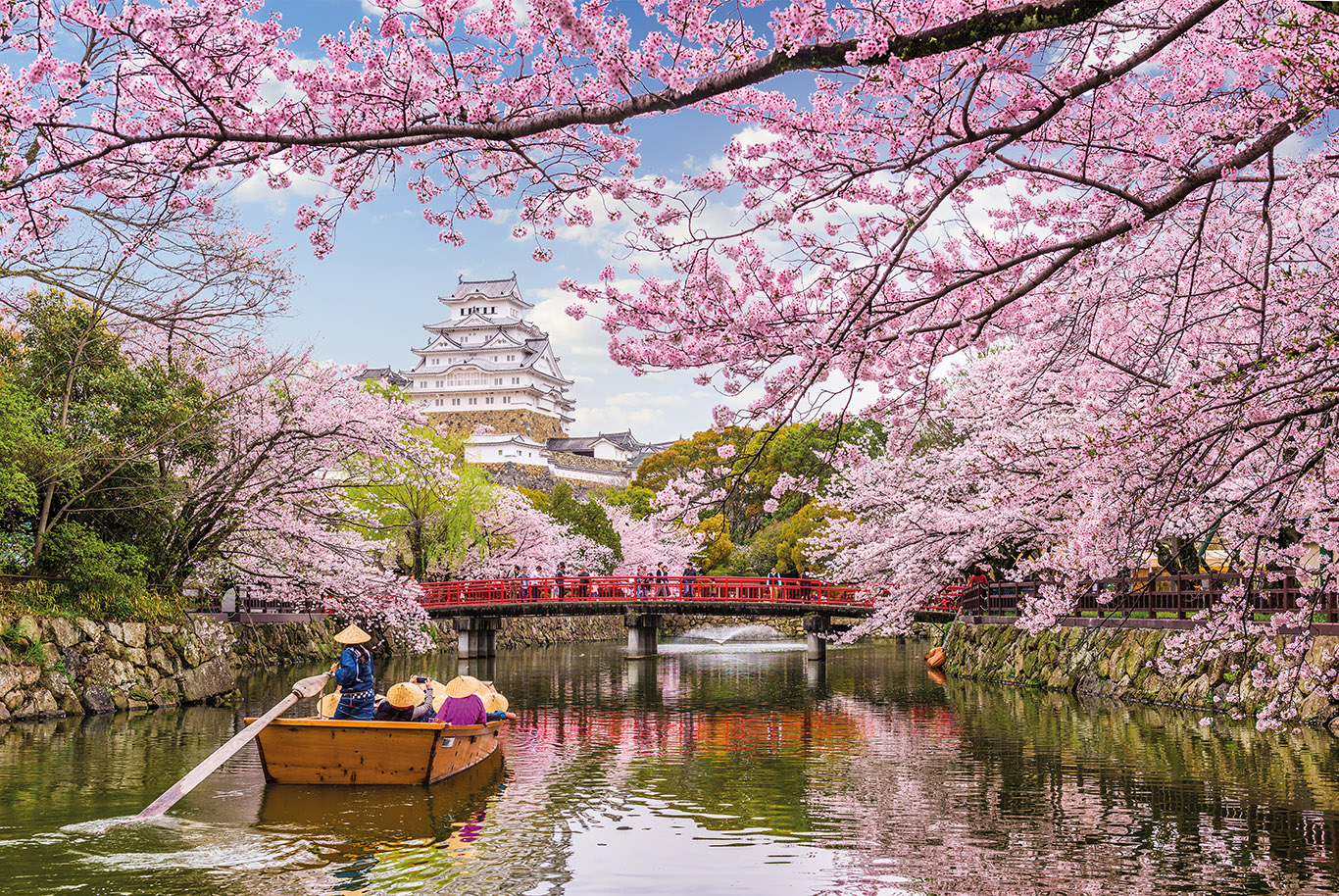
The koinobori expresses hope that the children of that household will grow up healthy and strong like carp swimming upstream. Larger versions of koinobori are raised in school grounds or near community centers and the timing often coincides with the blooming of nearby cherry trees, adding to the festive atmosphere. Everyone desires their children to be strong and healthy, like vigorous carp swimming upstream, but such qualities are often obtained through the challenges of adversity. It is certainly much easier to swim downstream and float with the current, but this does not produce the needed life attributes of perseverance, self-control, endurance and determination.

Many well-intentioned parents, in their zeal to protect their children to the exclusion of everything else, unwittingly obstruct such needed development and stunt their children’s growth. Swimming upstream may seem counter intuitive to our natural inclination to take the easy route, but it serves to produce strong and healthy children who are better prepared to face the inevitable challenges of life.

God desires the same for His children and as a result, wisely introduces trials, obstacles and hardships into our lives to make us strong. The goal is to help us mature and reach the full potential of all that He has created us to be and do. The Apostle James (James 1:2-4) reminds us that perseverance is a means to a very worthwhile end but many times it is hard to appreciate such long term benefits as we struggle against the current. It is therefore good to recall that we do not swim alone in such efforts and that we are not without aid as we press forward in the circumstances of life. These are truths we must pass on to the next generation as they wrestle with their own challenges and move towards the worthy goal of maturity in Christ.